
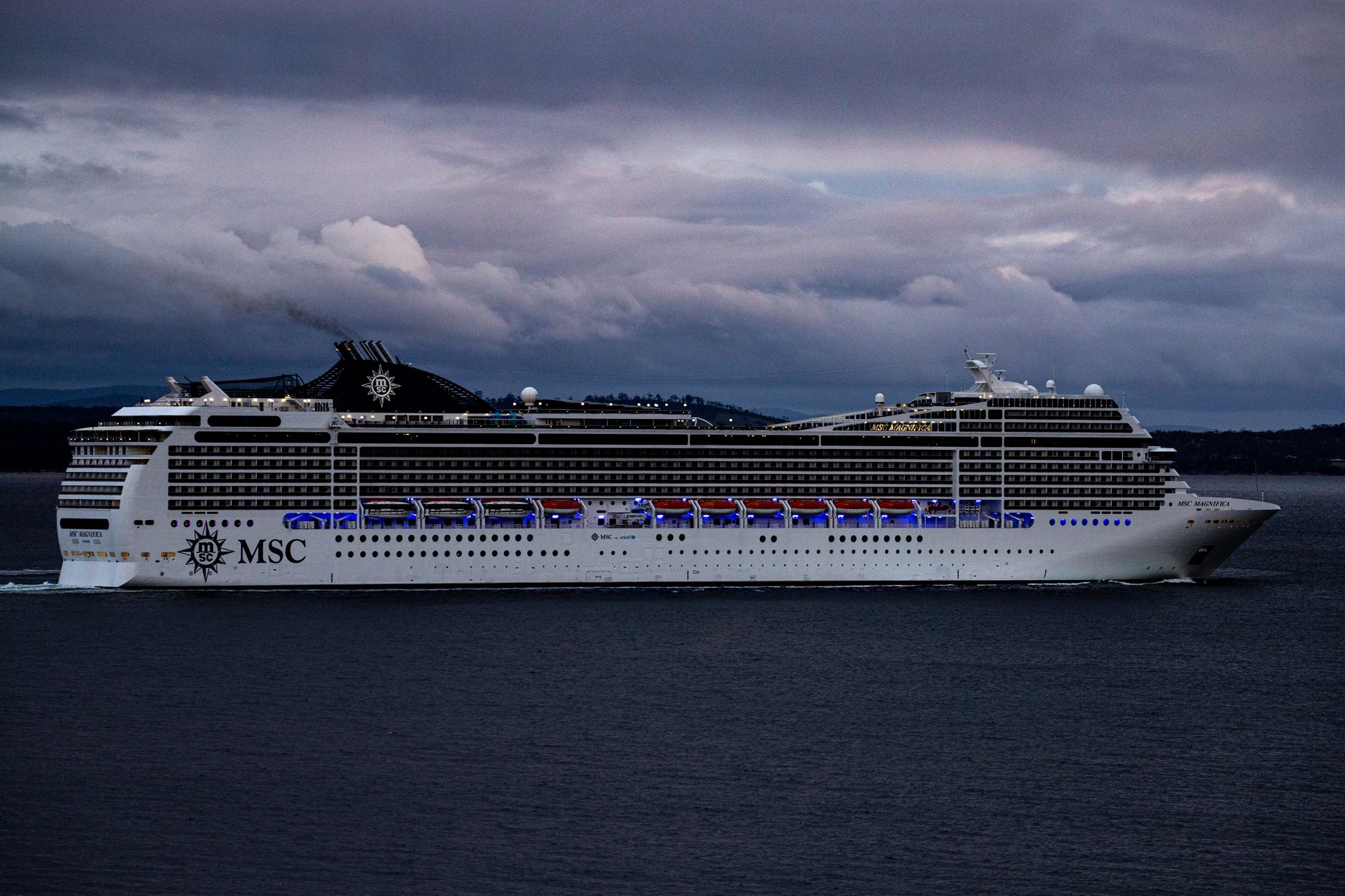
Cruises are a popular vacation choice for many travelers, but have you ever wondered how these massive ships stay afloat? The buoyancy of cruise ships is a fascinating intersection of engineering, physics, and design. Understanding the principles that allow these floating hotels to glide effortlessly over the ocean lends insights into the marvels of modern maritime technology.
This article delves into how cruises float, the science behind buoyancy, and the architectural wonders that make it all possible. Travelers will appreciate not just the beauty and luxury of cruising but also the complex mechanics that support their journey across the seas.
How Do Cruises Float?
Cruise ships float due to a principle known as buoyancy, which states that a vessel will float if it displaces an amount of water equal to its weight. Large ships achieve this using their hull design, which creates a balance between the weight of the ship and the water it displaces.
When a cruise ship is placed in water, it pushes some of that water out of the way—this is the displaced water. If the weight of the water displaced is greater than the weight of the ship, the ship floats. To ensure stability, cruise ships are engineered with careful attention to the distribution of weight and design of the hull.
The Principles of Buoyancy
The concept of buoyancy is rooted in Archimedes’ Principle, which states that any object submerged in a fluid experiences an upward force equal to the weight of the fluid displaced by the object. This principle is fundamental to understanding why and how cruise ships remain afloat.
Understanding Displacement
The hull of a cruise ship is uniquely designed to displace large volumes of water. Typically, these vessels are wider and have a larger surface area compared to their depth. This shape allows them to displace sufficient amounts of water, ensuring that the upward buoyant force is strong enough to keep them afloat.
Weight Distribution
Weight distribution plays a crucial role in a ship’s buoyancy and stability. The center of gravity of a cruise ship is ideally located low within the hull. This design helps in maintaining stability, especially in rough waters. If the center of gravity is too high, the ship could tip or sway, risking capsizing during rough seas.
Design Elements in Cruise Ship Architecture
Modern cruise ships are engineering marvels. The design of their hulls, materials used, and overall structure are all essential elements contributing to their ability to float and operate safely in oceans worldwide.
The Hull
The hull is the exterior structure of the cruise ship. It is often made from strong, lightweight materials like steel and aluminum to enhance durability without adding unnecessary weight. The shape of the hull is designed not only for buoyancy but also for hydrodynamics, allowing the ship to move smoothly through water, minimizing resistance.
Ballast Systems
Ballast systems are key to regulating a cruise ship’s stability. These systems allow for the adjustment of the ship’s weight by taking on or releasing water. Ballast tanks can fill with water to lower the ship’s center of gravity or empty to allow for rapid flotation changes when docking or departing a port.
Stabilizers
Many cruise ships are equipped with stabilizers—devices that help reduce the ship’s rolling motion. These are large fins that extend into the water and counteract forces from waves, providing a smoother sailing experience without compromising buoyancy.
The Role of Technology in Modern Cruising
Technology has significantly enhanced the safety and efficiency of cruise ships. Digital navigation systems, state-of-the-art engines, and automated safety features all contribute to the operational capabilities of these floating cities.
Navigation Systems
Cruise ships are equipped with advanced navigation systems that use GPS, radar, and sonar to monitor their surroundings. Such technology allows for safe navigation through crowded waters and potential hazards, ensuring the vessel’s buoyancy and integrity are preserved during voyages.
Safety Regulations and Design Standards
International maritime regulations govern the design and operation of cruise ships. Ships must be constructed to meet strict standards for safety and stability. This includes tests for buoyancy and stability that ensure they can withstand harsh weather conditions.
Real-World Applications of Buoyancy and Stability
The principles of buoyancy and stability are not just theoretical concepts; they play a critical role in operational effectiveness. Understanding these principles allows cruise lines to provide safe and enjoyable experiences for passengers, knowing the structure can withstand various conditions.
Handling Rough Seas
Cruise ships are designed to handle rough seas by accommodating their shape, size, and weight distribution. In turbulent waters, the forces acting on the hull are continuously monitored by onboard systems to ensure stability is maintained.
Environmental Considerations
The design and construction of modern cruise ships have also evolved to include considerations for environmental effects. Innovations in fuel efficiency and waste management reflect a growing commitment among cruise lines to minimize their environmental impact while still providing a buoyant and luxurious experience.
Understanding Different Types of Cruise Ships
There are various types of cruise ships, and each is designed based on its intended use. The interplay between size, displacement, and buoyancy can greatly vary across these vessels.
Ocean Liners vs. Cruise Ships
Ocean liners, built primarily for transatlantic travel, are designed with a focus on speed and durability. In contrast, modern cruise ships are designed for leisure, prioritizing space and amenities over speed.
River Cruise Vessels
River cruise ships are typically smaller and designed to navigate through rivers. Their buoyancy is achieved through a different hull shape suited for shallower waters and tighter spaces while still displacing enough water to float.
Planning a Cruise: Practical Considerations
If all this talk about buoyancy and engineering has you interested in planning a cruise, here are some practical considerations to think about:
- Choose Your Destination: Whether it’s the Caribbean Sea or the Mediterranean, decide where you want to go.
- Pick the Right Ship: Research various cruise lines and vessel types to ensure you choose one that fits your style and comfort.
- Season and Timing: Investigate the best times to cruise for weather and availability. Prices can vary dramatically by season.
- Health and Safety Measures: Always check for the latest health guidelines or measures put in place by the cruise line and relevant authorities.
- What to Pack: Be sure to pack appropriate clothing for onboard activities, excursions, and the weather at your destinations.
Conclusion
Cruises float thanks to principles of buoyancy, the clever design of hull structures, and modern technology. The interplay between weight, water displacement, and engineering ensures that these floating hotels can glide across oceans for all to enjoy. For those planning a cruise, understanding these elements can enrich the appreciation of the journey.
Explore more travel-related topics that could enhance your adventures, like our destination guides or tips on things to do in Fredericksburg.