
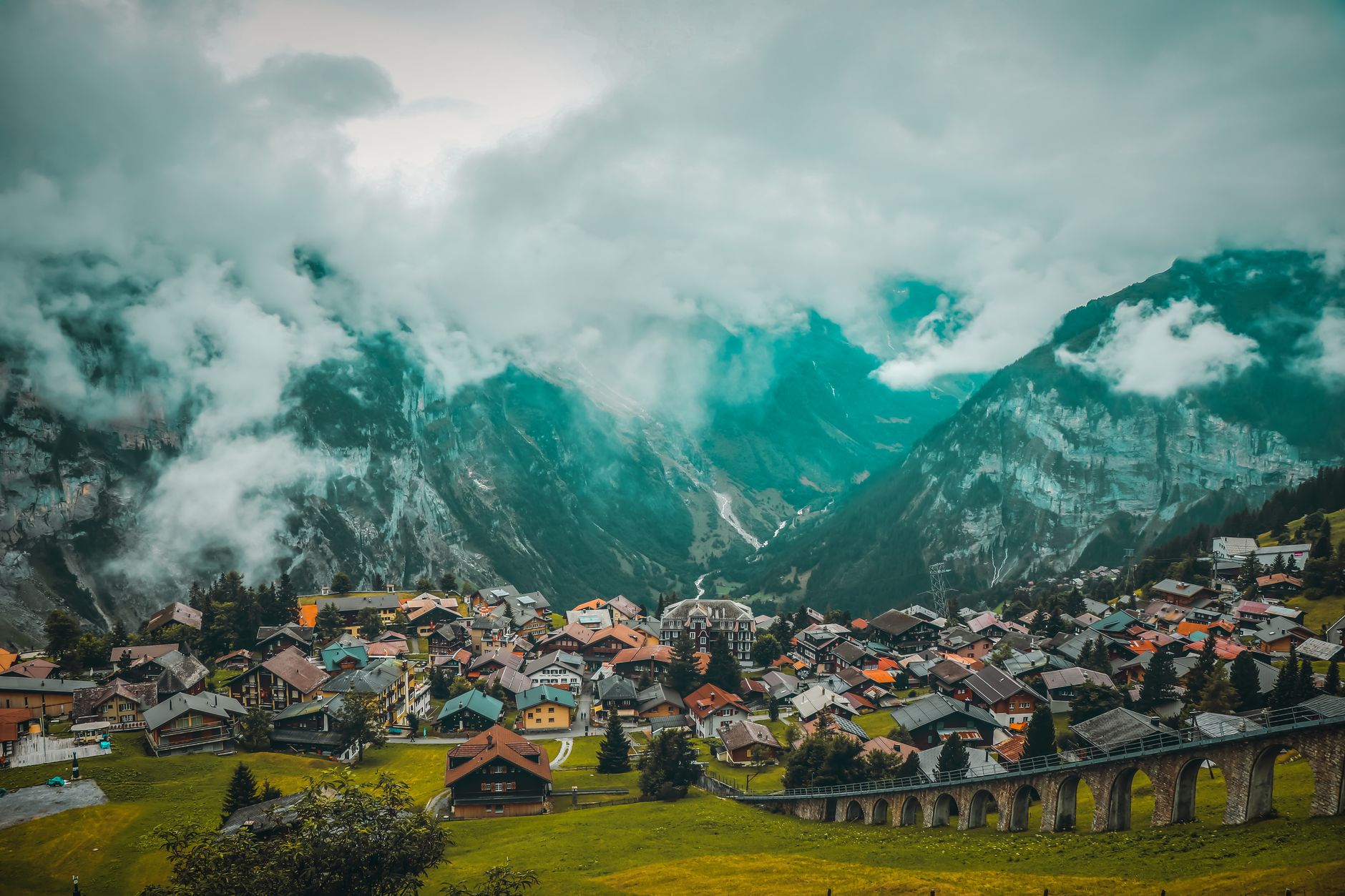
Transylvania, often associated with legends of vampires and eerie castles, exists as a region steeped in history and folklore. Located in central Romania, this picturesque area boasts captivating landscapes, charming medieval towns, and rich cultural heritage. Travel enthusiasts often wonder what exactly Transylvania has to offer and how they can experience its unique charm.
In this guide, we’ll explore the reality of Transylvania, its key attractions, transportation options, accommodations, and practical travel tips for potential visitors. Whether you’re a history buff, an outdoor adventurer, or a family seeking a memorable vacation, there’s something in Transylvania for everyone.
Does Transylvania Exist?
Yes, Transylvania is a real and well-known region in Romania. It is famous for its beautiful landscapes, medieval castles, and deep-rooted folklore. An incredibly diverse area that features quaint villages and vibrant cities, it attracts thousands of tourists every year.
What Makes Transylvania Worth Visiting?
Transylvania is much more than just the backdrop for Bram Stoker’s Dracula. The region’s blend of natural beauty, rich history, and vibrant culture makes it a fascinating destination. Here are some of the highlights that make Transylvania worth visiting:
- Historical Significance: With its medieval towns like Sibiu, Brașov, and Sighișoara, Transylvania offers a glimpse into the past.
- Gothic Architecture: The region features stunning castles and churches, including the famous Bran Castle.
- Natural Landscapes: The Carpathian Mountains offer hiking, skiing, and breathtaking scenery.
- Cultural Diversity: Transylvania is home to various ethnic groups, including Romanians, Hungarians, and Saxons, enriching its culture.
When is the Best Time to Visit Transylvania?
The ideal time to visit Transylvania depends on your activities and interests:
- Spring (March to May): Mild weather with blooming landscapes, perfect for hiking and outdoor activities.
- Summer (June to August): Warm temperatures make it popular for outdoor festivals and events, though it can be crowded.
- Fall (September to November): Great time for fewer crowds and stunning autumn foliage; perfect for wine lovers with grape harvest events.
- Winter (December to February): Ideal for skiing and enjoying winter festivals, notably in the Carpathian region.
How to Get to Transylvania
Traveling to Transylvania is straightforward, with several options available:
By Air
The main cities in Transylvania—Cluj-Napoca, Sibiu, and Brașov—are served by several airports. Cluj-Napoca International Airport is the largest, offering connections to various European cities.
By Train
Romania has a well-connected train system. Major rail lines run to Transylvania from cities like Bucharest and Timisoara. Trains are a scenic and relatively inexpensive way to explore.
By Bus
Buses operate frequently between major Romanian cities and Transylvanian towns. They can be a budget-friendly option but may take longer than trains.
Transportation Within Transylvania
Once you arrive in Transylvania, there are multiple transportation options to explore the region:
Car Rental
Renting a car provides the most flexibility to travel at your own pace, especially to more remote villages and attractions. Major rental companies operate in airports and cities.
Public Transportation
Public buses and trains connect larger towns. However, the schedules can be less frequent in rural areas, so planning in advance is advisable.
Taxis and Rideshares
In cities, taxis and rideshare services like Uber are available, providing a convenient way to navigate urban areas.
Top Attractions in Transylvania
Transylvania features a variety of attractions that are rich in history and adventure. Here are some must-visit places:
Bran Castle
Often referred to as Dracula’s Castle, this medieval castle is surrounded by myths and legends. While there’s little historical evidence linking Vlad the Impaler to the castle, its stunning architecture and picturesque location make it a popular attraction.
Sighișoara
This UNESCO World Heritage Site is one of the best-preserved medieval towns in Europe. Walk through cobblestone streets, explore colorful houses, and visit the Clock Tower for panoramic views.
Brașov
A vibrant city surrounded by the Carpathian Mountains, Brașov boasts impressive Gothic architecture, including the Black Church. Its lively atmosphere is complemented by great restaurants, shops, and access to ski resorts.
Sibiu
Known for its Germanic architecture, Sibiu offers a delightful mix of history, art, and culture. Don’t miss the Brukenthal National Museum and the stunning Grand Square.
The Carpathian Mountains
This mountain range offers numerous outdoor activities such as hiking, skiing, and wildlife watching. Explore the trails of Piatra Craiului National Park for breathtaking views.
Family-Friendly Activities in Transylvania
Transylvania is an excellent destination for families with plenty of activities to keep everyone entertained:
- Visit the Bear Sanctuary: Near Zarnesti, this sanctuary is home to rescued bears and offers educational tours.
- Explore the Astra Village Museum: This open-air museum in Sibiu showcases traditional Romanian rural life and activities.
- Adventure Parks: Look for adventure parks in the region that feature zip lines and obstacle courses suitable for all ages.
Accommodation in Transylvania
Transylvania offers diverse lodging options ranging from luxury hotels to budget-friendly hostels and unique guesthouses.
Luxury Options
For those seeking upscale accommodations, cities like Brașov and Sibiu feature elegant hotels that deliver quality service and amenities.
Mid-Range Hotels
Mid-range hotels and guesthouses provide a good balance of comfort and affordability, often located in or near historical centers.
Budget Accommodations
Backpackers can find hostels and budget guesthouses throughout Transylvania, particularly in larger towns like Cluj-Napoca and Târgu Mureș.
Culinary Delights of Transylvania
Transylvania’s cuisine is a delightful blend of Romanian, Hungarian, and Saxon influences. Here are some dishes and drinks to try:
- Sarmale: Cabbage rolls stuffed with meat and rice, a traditional Romanian dish.
- Mămăligă: A cornmeal porridge similar to polenta, often served with cheese and sour cream.
- Papanasi: A dessert made of cheese dough, fried and topped with sour cream and jam.
- Transylvanian Wine: Local vineyards produce excellent wines; a visit to a winery for tasting is a must.
Budget Considerations for Traveling in Transylvania
Traveling in Transylvania can be budget-friendly with some careful planning. Here are some budget considerations:
- Transportation: Public transportation is generally inexpensive, but renting a car can provide added flexibility, especially for remote areas.
- Dining: Eating at local restaurants rather than tourist-oriented spots can save money while delivering authentic experiences.
- Entrance Fees: Many historical sites have entrance fees; check in advance and buy combo tickets where available.
Travel Safety and Accessibility in Transylvania
While Transylvania is generally safe for tourists, here are some helpful tips for a smooth trip:
- Stay Alert: Be cautious in crowded tourist areas and keep an eye on your belongings.
- Emergency Numbers: Note down emergency contact numbers, including local police and ambulance services.
- Health Precautions: Always check for any health advisories and ensure you have adequate travel insurance.
Packing Guide for Transylvania
When preparing for your trip to Transylvania, packing efficiently is key. Here’s a checklist of essentials:
- Comfortable walking shoes for exploring towns and hiking trails
- A light rain jacket for unpredictable weather
- Layered clothing, as temperatures can vary throughout the day
- Camera or smartphone for capturing picturesque landscapes
- A reusable water bottle to stay hydrated during your activities
Length of Stay in Transylvania
To fully explore Transylvania, a stay of 5 to 7 days is recommended. This timeframe allows you to visit multiple cities, iconic landmarks, and enjoy outdoor activities without feeling rushed.
In summary, Transylvania is a real and captivating destination brimming with history, culture, and natural beauty. While well-known for its legends of vampires, it offers much more for travelers of all interests. With careful planning, this enchanting region can be a remarkable experience, encompassing everything from medieval castles to breathtaking mountain scenery.
If you’re inspired to explore Transylvania, check out additional travel guides and articles that can enrich your planning: learn more about Where is Virgin River Supposed to Be and discover the historical layers of What is Modern Day Troy.