
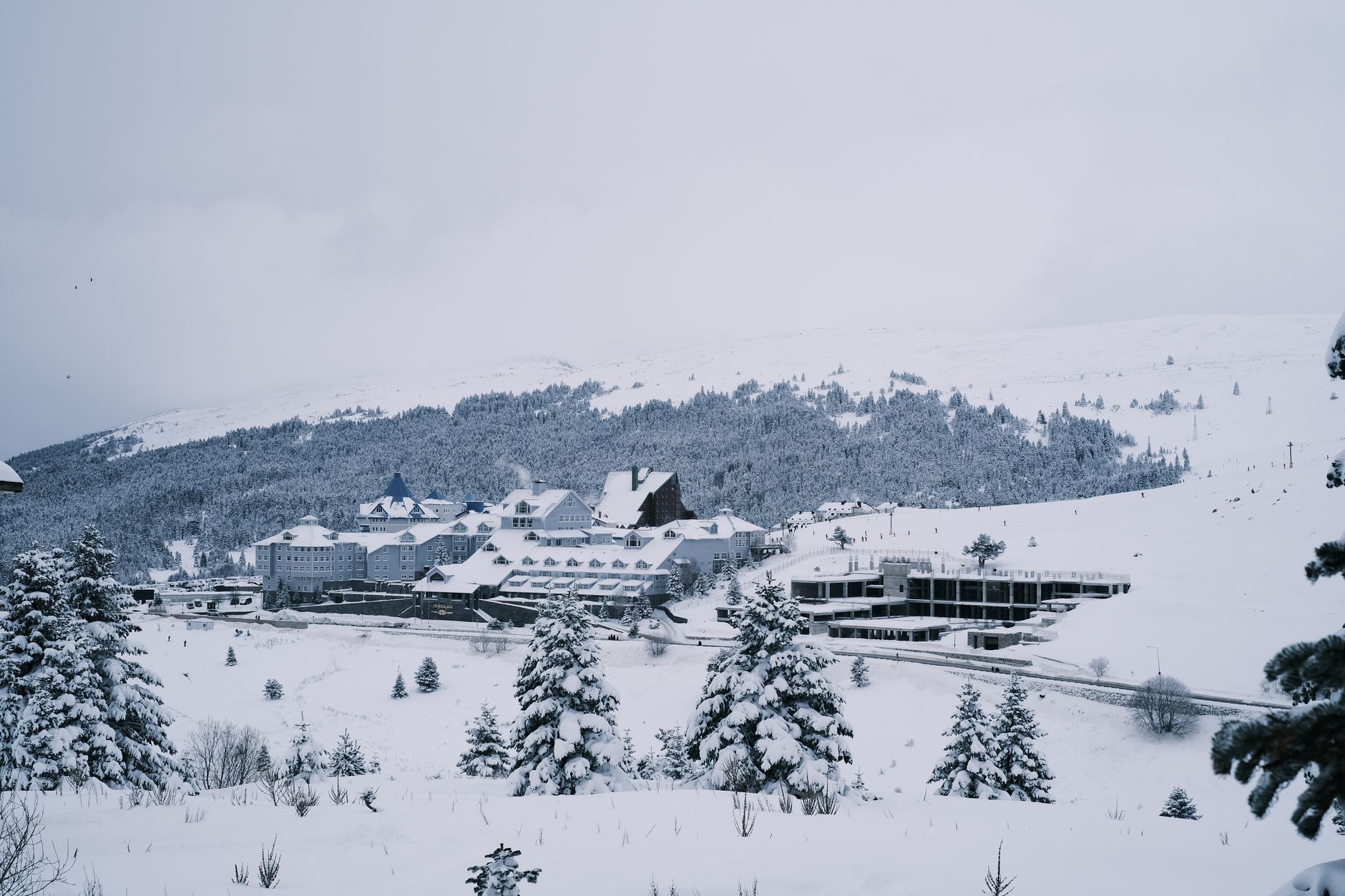
When planning a visit to Germany, you may wonder, “Does it snow in Germany?” The answer is yes! Snowfall occurs in various parts of the country, offering a beautiful winter landscape and a chance to enjoy numerous winter activities. This guide will cover where and when it snows, what to do during the snowy season, and travel tips to maximize your experience.
Germany’s weather can vary greatly by region, particularly in the winter months. An understanding of the climatic conditions will help you plan the perfect visit and make the most of the snow. From skiing in the Alps to exploring Christmas markets in the cities, Germany in winter can be a magical experience.
Does It Snow In Germany?
Yes, Germany does experience snow during the winter months, generally from December to February. The amount and consistency of the snow can depend on the region, with southern parts receiving more snowfall than northern areas. Travelers can expect beautiful snow-covered landscapes, particularly in the Bavarian Alps.
Understanding the German Winter Weather
Germany’s winter spans from December to February, with varying temperatures and weather conditions across the country. The north may see milder weather with occasional snowfall, while the south can experience heavy snow and colder temperatures.
Regions and Their Snowfall Patterns
- Southern Germany: Famous for the Bavarian Alps, regions like Garmisch-Partenkirchen and Berchtesgaden receive substantial snowfall, making them popular for winter sports.
- Central Germany: Areas like Rothenburg ob der Tauber might experience light to moderate snow, creating a picturesque winter scene.
- Northern Germany: Snowfall is less frequent here, with cities such as Hamburg and Bremen seeing milder winter temperatures and the possibility of light snow.
Average Snowfall and Temperature
Average snowfall varies significantly by region. For example, Bavaria can see up to 200 cm of snow annually, whereas northern cities might only see around 20-30 cm. Temperatures also vary, with southern Germany often below freezing, making it ideal for winter activities.
When to Experience Snow in Germany
Winter officially begins in December, but the best chances of experiencing significant snowfall typically occur from late December to early February. This period is not only ideal for snow activities but also coincides with traditional German Christmas markets.
December to February: Peak Winter Months
- December: Snowfall can begin in early December, and cities transform with beautiful holiday decorations. Markets are bustling, and festivities are in full swing.
- January: Often the coldest month, January is perfect for skiing and other winter sports, with mountains covered in fresh snow.
- February: Snow continues, but temperatures may start to rise slightly toward the end of the month, resulting in wetter conditions.
Winter Activities to Enjoy in Germany
Germany’s snowy landscapes and winter atmosphere open up a plethora of activities. Here’s how you can make the most of your snow-filled trip.
Winter Sports
If you enjoy skiing or snowboarding, southern Germany boasts some of the best slopes in Europe.
- Garmisch-Partenkirchen: Known for its ski resorts, this area offers a variety of runs for all levels and breathtaking mountain views.
- Berchtesgaden: A UNESCO World Heritage site, it’s not only beautiful but also has great skiing options.
Christmas Markets
Germany is famous for its enchanting Christmas markets, which typically start in late November and last through December. Cities across the country host these markets featuring traditional foods, mulled wine, and handcrafted goods.
- Munich: Visit the Christkindlmarkt at Marienplatz for a quintessential German holiday experience.
- Nuremberg: Famous for its Christkindlesmarkt, this market features a robust selection of local crafts and foods.
Sledding and Ice Skating
Not all winter fun requires skiing. Families can enjoy sledding in parks and areas with hills, and many cities set up ice skating rinks during the winter months. A few places to check out include:
- Berlin Ice Rinks: Various temporary rinks pop up, especially in midwinter.
- Munich’s Olympic Ice Rink: A massive outdoor rink offering a stunning view of the Olympic Park.
Getting to Germany in Winter
Traveling to Germany during the winter months is relatively straightforward. Germany has an extensive public transportation system that connects major cities and regions.
Air Travel
Most international flights arrive in Frankfurt or Munich, which are great hubs for winter travel.
- Frankfurt Airport: One of the busiest airports in Europe, it offers numerous connections to other cities and regions.
- Munich Airport: A primary gateway for visiting southern Germany, particularly for skiing destinations.
Public Transportation
Germany’s train network is efficient and well-connected. Consider purchasing a German Rail Pass for unlimited travel, which can be convenient for exploring different regions during your stay.
Accommodation Options in Germany During Winter
Germany offers a variety of accommodation options to suit different budgets and preferences. During snowy months, it is essential to book in advance.
Winter Resorts
For winter sports enthusiasts, staying at a ski resort can provide easy access to slopes.
- Garmisch-Partenkirchen: Offers a wide range of accommodations from luxury hotels to cozy chalets.
- Berchtesgaden: Home to several ski resorts with specialized winter services.
City Hotels
In major cities hosting Christmas markets, hotels can fill up quickly. Look for options in:
- Berlin: Unique boutique hotels or large chains are available near markets.
- Munich: Central hotels often provide easy access to the holiday attractions and sights.
Alternative Options
Consider renting a cabin in the mountains for a unique experience amidst nature. Websites like Airbnb and local listings can offer charming options.
Budgeting for a Winter Trip to Germany
Traveling in winter can be budget-friendly, but planning is crucial. Here are some tips to manage costs effectively.
Flight and Accommodation Costs
Flights are typically cheaper in the winter compared to peak summer season. Booking early can yield better rates for accommodations as well.
- Look for deals on sites like Skyscanner or Kayak for better flight options.
- Check hotel comparison sites such as Booking.com or Trivago for the best prices.
Daily Expenses
Food and transportation costs can vary depending on the city and region. Cities like Berlin are generally cheaper for meals than places like Munich or Heidelberg.
- Public transportation is affordable and efficient. Consider day passes for public transit, especially if you plan to explore extensively.
- Street food and local eateries can offer delicious meals at a budget-friendly price; don’t miss the chance to try local specialties!
Packing for Winter in Germany
When traveling to Germany in the winter, packing appropriately is essential for a comfortable experience. Here’s a simple packing list for your trip.
- Warm layered clothing: thermal shirts, wool sweaters, and a waterproof winter jacket.
- Durable footwear: insulated boots for walking in snow and slush.
- Accessories: gloves, hats, and scarves to stay warm.
- Winter gear: if participating in snow sports, don’t forget ski pants and goggles.
Accessibility Considerations for Winter Visits
While Germany has made great strides in accessibility for travelers with disabilities, winter conditions can present additional challenges.
- Check accessibility options at accommodations and public transport. Major cities often have accessible services, but some areas in the mountains may have limited access.
- Winter weather can lead to icy and snowy conditions, making mobility difficult. Plan your routes and ensure transportation is equipped for winter weather.
Family-Friendly Activities in Germany’s Winter
Germany offers a range of family-friendly activities during the snowy season, ensuring everyone can enjoy the winter wonderland.
Winter Festivals
Take part in winter festivals happening across Germany, featuring activities such as sledding, tobogganing, and even snowman-building competitions, perfect for families looking to create unforgettable memories.
Indoor Attractions
If the weather turns too harsh, plenty of indoor activities can offer fun and educational experiences.
- Visit museums such as the Deutsches Museum in Munich, which offers interactive exhibits for kids.
- Explore indoor amusement parks or aquaparks for a fun-filled day away from the cold.
Safety Considerations While Traveling in Winter
Though Germany is generally safe for travelers, winter conditions can pose unique risks. Always take precautions to ensure your safety.
- Watch out for icy sidewalks and paths; wearing appropriate footwear can help prevent slips and falls.
- Keep an eye on weather forecasts to prepare for storms or heavy snowfall that may affect travel plans.
Germany in winter with its beautiful snowfall, festive markets, and winter sports opportunities is a delightful time to visit. Whether you’re enjoying the magic of a Christmas market, racing down the slopes, or simply strolling through a snow-covered city, Germany offers unique experiences during the colder months. Remember to plan your itinerary and accommodations well in advance to ensure a smooth trip.
For those looking to explore more about winter travel, consider checking out related guides like Things to Do in Vienna in December and Things to Do in Warsaw, Poland.