
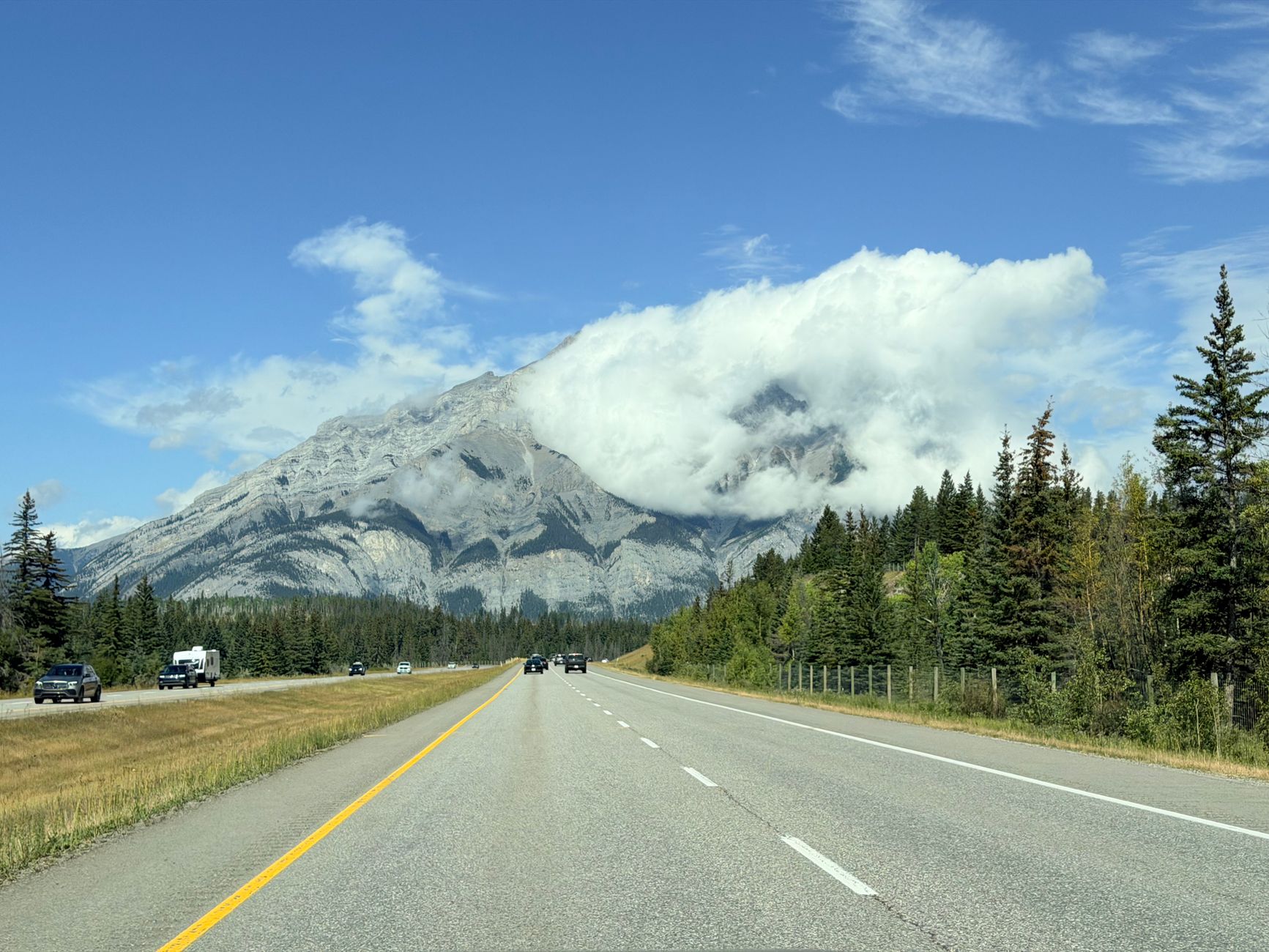
When traveling in Canada, understanding the country’s use of kilometers is essential for planning your journey. Canada officially uses the metric system, which includes kilometers for measuring distances. This can be particularly important for road trips, hiking excursions, or any activities that involve distance measurement.
Knowing how kilometers translate into miles can enhance your travel experience and help with budgeting time and fuel consumption. This article will delve into Canada’s use of kilometers, how it affects various aspects of travel, and provide practical tips for navigating the metric system during your trip.
Does Canada Use Kilometers?
Yes, Canada uses kilometers as its standard unit for measuring distance. The country officially adopted the metric system in the 1970s, so travelers should be prepared for road signs, maps, and distance markers to be in kilometers rather than miles.
The Metric System in Canada
Canada’s transition to the metric system was gradual, with the move toward kilometers reflecting the country’s alignment with international standards. The metric system is now comprehensively implemented across various sectors, including transportation, education, science, and industry. This makes it easy to travel, as printed materials related to travel, such as maps and guides, will also be in kilometers.
Road Signs and Distances
When driving in Canada, you’ll encounter road signs that display distances in kilometers. For instance, highway exit signs will indicate how far you are from the next town or city in kilometers. It is crucial for travelers, especially those from countries that use miles, to be familiar with this system to avoid confusion.
Converting Kilometers to Miles
If you are accustomed to miles, converting kilometers to miles can be helpful. The conversion formula is relatively straightforward:
- 1 kilometer = 0.621371 miles
- To convert kilometers to miles, multiply the number of kilometers by 0.621371.
- Conversely, to convert miles to kilometers, divide the number of miles by 0.621371.
For example, if a sign shows 100 kilometers, it is approximately 62.14 miles. Understanding this conversion will help you gauge distances when planning your itinerary.
Traveling Across Canada: Key Distances
Knowing major distances in Canada can assist in route planning and give you a better understanding of traveling within the vast landscapes of the country. Here are some key distances between major Canadian cities:
| Route | Distance (Kilometers) | Distance (Miles) |
|---|---|---|
| Toronto to Montreal | 541 | 336 |
| Vancouver to Calgary | 973 | 605 |
| Ottawa to Quebec City | 444 | 276 |
| Halifax to Saint John | 326 | 202 |
By familiarizing yourself with these distances, you can better estimate travel times and plan your route accordingly.
Transportation Options in Canada
Canada offers several transportation options, including cars, buses, and trains. Regardless of your choice, the distances will be measured in kilometers, so it helps to keep this in mind when evaluating travel times and costs.
Driving in Canada
Renting a car to explore Canada is a popular option. When driving, remember to adjust to speed limits posted in kilometers per hour (km/h). Speed limits vary by region, typically ranging from 40 km/h to 110 km/h on highways.
Public Transportation
Public transportation, including buses and trains, will also provide schedules and distances in kilometers. Major cities like Toronto, Vancouver, and Montreal have efficient transit systems that allow for easy navigation. When planning routes, always check schedules that reflect distances in kilometers.
Distance by Air
If you plan to travel between provinces by air, understanding the distance will help you gauge flight times and layovers. Airlines in Canada will also reference distances in kilometers when calculating the length of a flight. Always verify direct vs. connecting flights and pay attention to layover times.
Planning Your Itinerary: Practical Distance Tips
When drafting your travel itinerary, consider distances carefully. Canada is expansive, and travel times can vary significantly due to road conditions, weather, and the mode of transportation.
Determine Daily Travel Distances
A good rule of thumb is to keep your driving distances to a manageable length each day. Depending on your starting point and destination, a realistic daily driving distance might be:
- Short trips: 200 to 300 kilometers
- Medium trips: 300 to 600 kilometers
- Long-distance road trips: 600+ kilometers with several planned stops
Use Navigation Tools
Make use of GPS and mapping apps that can easily convert distances and offer you real-time updates while navigating. These tools typically present distances in kilometers, making them user-friendly for your travels in Canada.
Exploring Canada’s Provinces and Territories
Each province and territory in Canada has unique landscapes and attractions. Understanding the distance between key sites can enhance travel planning. Here’s a brief overview of some notable areas and distances that may interest travelers:
Western Canada
Western Canada is renowned for its breathtaking natural beauty. Distances vary widely in provinces like British Columbia and Alberta.
- Banff National Park (Alberta) to Jasper National Park: approximately 290 kilometers (180 miles).
- Vancouver to Whistler: approximately 121 kilometers (75 miles).
Central Canada
Central Canada features vibrant cities and cultural sites. For travelers planning a route in this region:
- Toronto to Ottawa: approximately 450 kilometers (280 miles).
- Ottawa to Niagara Falls: approximately 130 kilometers (81 miles).
Eastern Canada
Eastern Canada offers rich history and stunning coastlines. Key distances include:
- Halifax to Cape Breton: approximately 300 kilometers (186 miles).
- Montreal to Quebec City: approximately 250 kilometers (155 miles).
Northern Canada
Northern territories offer remote adventure but larger distances:
- Yellowknife to Inuvik: approximately 670 kilometers (416 miles) via the Dempster Highway.
- Whitehorse to Dawson City: approximately 530 kilometers (329 miles).
When to Travel in Canada
Canada’s diverse climates make the timing of your visit significant. Different seasons offer unique travel experiences:
Spring (March to May)
Roads begin to clear, and the landscape blooms. It’s ideal for city exploration and witnessing the awakening of nature.
Summer (June to August)
Warm weather draws travelers to outdoor festivals and national parks. Be prepared for increased traffic in popular areas.
Autumn (September to November)
With stunning fall foliage, this season is perfect for road trips. Temperatures are mild, and crowds diminish.
Winter (December to February)
For winter sports enthusiasts, Canada offers fantastic skiing and snowboarding opportunities. Keep in mind that travel may be slower due to snow.
Budgeting for Travel in Canada
Understanding distances will aid in budgeting your trip effectively. Fuel costs can vary significantly based on distance, so it’s crucial to account for the kilometers you’ll be traveling. Here are some budgeting tips:
Fuel Costs
Fuel costs can vary based on distance traveled. Keep in mind that prices are usually quoted in liters, not gallons. As a quick reference:
- Average fuel price per liter varies, so always check local prices.
- Avoid running on empty; fill up your tank at least once every 300 kilometers for safety and budget.
Accommodation Costs
Accommodation rates vary based on location and season. For a budget-friendly approach:
- Consider booking in advance, especially in peak seasons.
- Hiking or camping can provide unique and cost-effective lodging options in national parks.
Activities and Attractions
Entrance fees for national parks or attractions will also factor into your budget. Many places offer family or group discounts, so check in advance to maximize savings.
Safety Considerations When Traveling Distances
Safety is paramount while traveling, particularly when driving long distances. Here are some precautions to consider:
Weather Conditions
Weather can change dramatically across Canada; always check forecasts before setting out. Winter weather can bring snow and ice, while summer storms can impact driving conditions.
Wildlife Awareness
Driving through remote areas, especially in park regions, brings the potential for wildlife crossings. Stay vigilant, especially at dawn and dusk.
Tire and Vehicle Maintenance
Ensure your vehicle is well-maintained. Tire pressure, fluid levels, and your spare tire should be checked regularly, especially before long trips.
Conclusion
Understanding Canada’s use of kilometers is crucial for navigating the country effectively. By familiarizing yourself with distances, you can create a travel plan that maximizes your experience. Remember to convert kilometers to miles if necessary and keep practical travel tips in mind when planning your journey.
As you plan your adventure, consider exploring related destination guides and travel-planning articles for a more comprehensive trip experience. You can check out how far is Fairview from me or discover how far is Nashville, Tennessee, from Knoxville, Tennessee for your planning needs.