
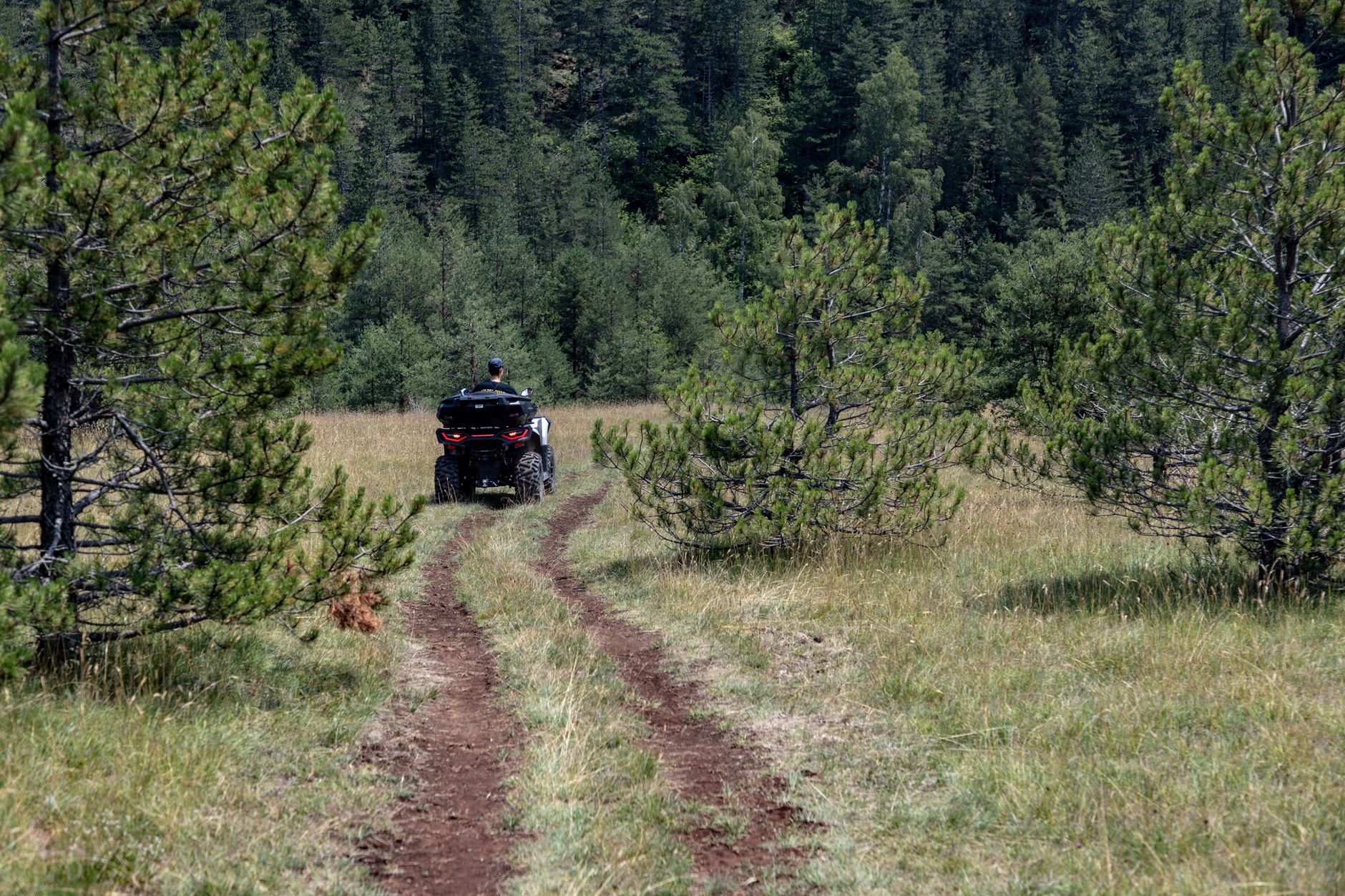
All-terrain vehicles (ATVs) have become increasingly popular for outdoor adventures. They offer a thrilling way to explore rugged terrains, from dense forests to sandy dunes. However, before you jump on an ATV and hit the trails, understanding whether you need a license to drive one is essential. This article dives into the legal requirements for ATV operation and provides practical information for travelers seeking to explore scenic areas on these powerful machines.
As laws and regulations vary significantly by state, region, and country, it’s crucial to be well-informed about the specific requirements of your destination. Whether you’re planning a family trip, a solo adventure, or a day outing with friends, knowing the ins and outs of ATV licensing will ensure a safe and enjoyable experience.
Do You Need A License To Drive An ATV?
In most places, you do not need a specific driver’s license to operate an ATV on private property. However, many states require operators to have a valid driver’s license or to be at least a certain age to ride ATVs on public land or designated trails. Always check local laws to ensure compliance.
General Licensing Requirements for ATVs
Licensing requirements for ATVs can vary significantly based on location. Here’s a general outline of what you may encounter:
- Age Requirements: Many states require drivers to be at least 16 years old, although some may allow younger drivers with parental permission or a safety course completion.
- Safety Course: Some regions require operators under the age of 18 to complete an ATV safety training course. Completing these courses can also provide you with valuable skills and knowledge about safe ATV operation.
- Driver’s License: While a specific ATV license may not be necessary, some states require a valid driver’s license for operating ATVs on public land. Others may not require any type of license.
- Registration and Insurance: Depending on your state, ATVs may need to be registered, and insurance coverage might be necessary. This is particularly common if riding on public trails.
State-Specific Licensing Guidelines
As regulations can vary widely, it’s important to familiarize yourself with the specific requirements of the region where you plan to ride. Below is an overview of ATV licensing regulations across several states in the U.S.
California
In California, you do not require a driver’s license to operate an ATV on private land. However, riders under 18 must complete a safety course. State law requires registration for riding on public lands.
Florida
Florida does not require a specific ATV license, but you must be at least 16 years old, and minors must have parental consent. Registration and insurance are necessary when riding on public roads.
New York
New York requires that operators who are 10 years of age or older complete an approved safety course. A driver’s license is not mandatory for riding on private property, but registration and insurance are required for public trails.
Texas
Texas does not require a driver’s license or registration for ATVs used solely on private land. However, riding ATVs on public roads necessitates a valid driver’s license, and safety courses are encouraged for those under 14.
Why Licensing Matters
Understanding whether you need a license to drive an ATV is not just a matter of legality; it also enhances safety on the trails.
- Accident Prevention: Licensing and safety training can significantly reduce the risk of accidents, ensuring that riders are aware of the potential hazards of ATV operation.
- Insurance Compliance: Some insurance policies may require proof of safety training or licensing. Being properly equipped can help you avoid liability in the case of an incident.
- Legal Protection: Complying with local laws regarding licensing can protect you from fines, penalties, or even confiscation of your ATV.
Best Practices for ATV Riding
Whether you’re licensed or not, following best practices will enhance your experience while ensuring safety:
- Wear Protective Gear: Always wear a helmet, gloves, eye protection, and appropriate clothing to protect against injuries.
- Stay on Designated Trails: Riding on designated paths minimizes environmental impact and reduces the risk of accidents.
- Know Your Vehicle: Familiarize yourself with the controls and functions of your ATV before hitting the trails.
- Ride with Companions: Whenever possible, ride with someone else. This allows for assistance in case of an emergency.
- Follow Local Regulations: Keep abreast of local laws, trail rules, and the operating hours of public lands.
Planning Your ATV Adventure
Once you’ve sorted out the licensing aspect, it’s time to plan your ATV adventure. Here are some practical tips:
Choose Your Destination Wisely
Some popular ATV destinations include:
- Moab, Utah: Known for its stunning red rock landscapes, Moab offers numerous trails for various skill levels.
- Ocotillo Wells, California: A sprawling desert area with vast sandy terrains perfect for ATV riding.
- Hatfield-McCoy Trails, West Virginia: An extensive network of trails that caters to riders of all experience levels.
Best Time to Visit
The best times for ATV riding can vary based on location:
- Spring and Early Fall: These seasons often offer the most pleasant weather and optimal trail conditions.
- Summer: While popular for many, summer can bring extreme heat to certain areas, so choose early morning or late day rides.
- Winter: In some regions, ATV riding is possible on snow. Check local regulations before heading out.
Where to Stay
Accommodation options near ATV trails range from camping sites to local hotels. Here are some ideas:
- Campgrounds: If you’re looking for a more immersive outdoor experience, consider camping near your chosen trailhead.
- Cabins: Many popular ATV destinations offer cabins for rent, giving you a comfortable base with access to trails.
- Hotels: Look for hotels or motels that cater to outdoor enthusiasts, often providing secure parking for ATVs and trailers.
Budgeting for Your Adventure
Planning an ATV trip can involve several costs:
- Rental Fees: Factor in costs if you plan to rent an ATV instead of using your own.
- Gas and Maintenance: Budget for fuel and any necessary maintenance on your vehicle.
- Accommodation and Food: Estimate your accommodation costs and meals, as dining options may be limited in remote areas.
Final Tips for ATV Riders
Here are a few last-minute tips to ensure your ATV experience is enjoyable:
- Stay Hydrated: Riding can be physically demanding, so ensure you bring plenty of water.
- Ride Within Your Skill Level: Choose trails that match your experience and comfort level to avoid accidents.
- Respect the Environment: Follow the Leave No Trace principles, ensuring you do not disturb wildlife or natural features.
In summary, while you may not need a specialized ATV license to ride on private property or certain public lands, understanding local regulations and practicing safe riding is crucial. By ensuring you have the necessary permits, respect for nature, and a focus on safety, you can embark on an exhilarating adventure atop an ATV without any legal hitches or safety concerns.
As you dive deeper into planning your trip, explore related destination guides and travel planning articles like Travel Tips and Guides and Things to Do in Ashland, Oregon for more insights. Happy riding!