
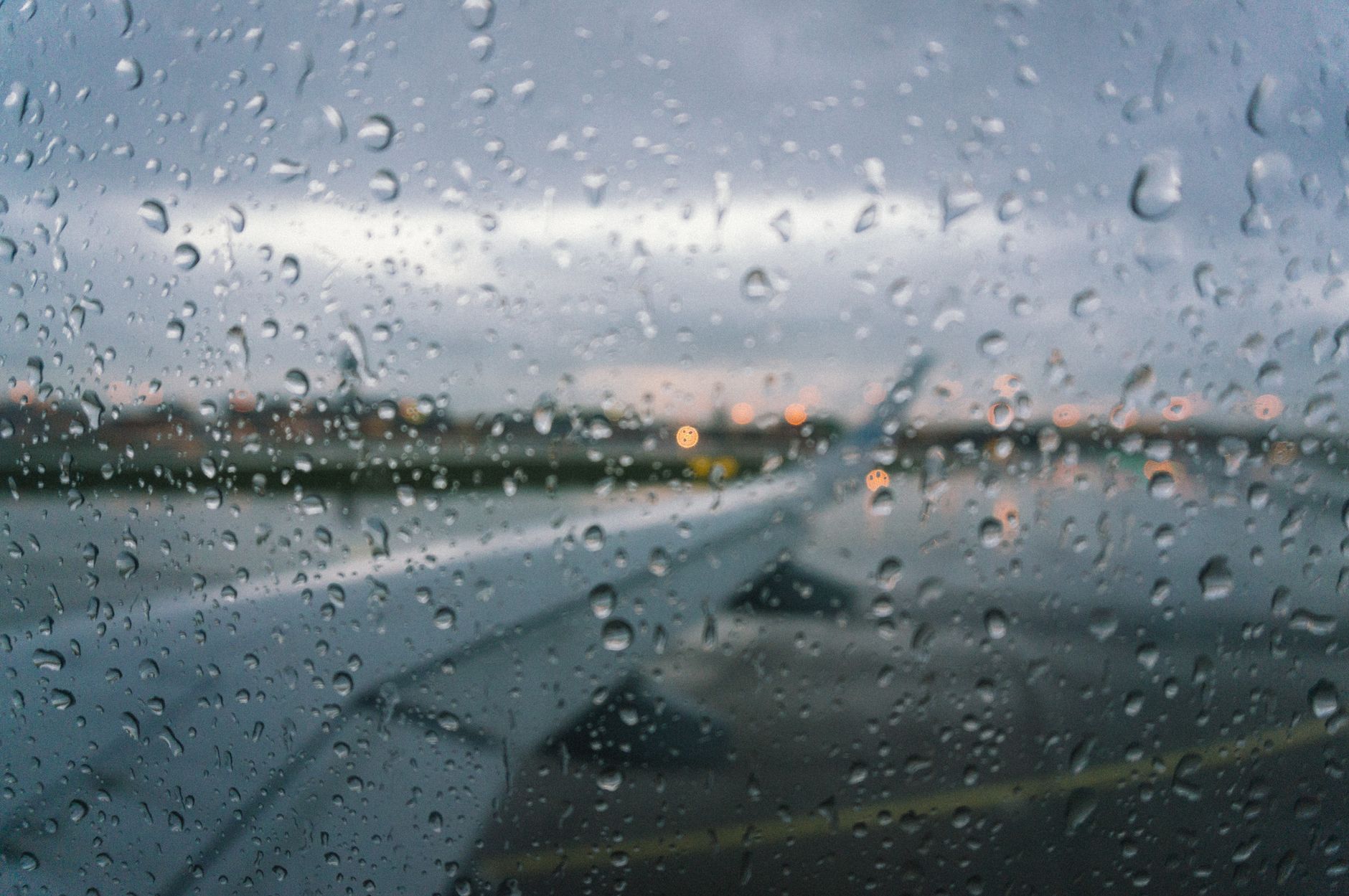
For many travelers, the mere thought of rain can provoke anxiety, especially when it comes to air travel. Whether you’re on your way to a vacation or business meeting, it’s easy to wonder: do planes take off in rain? Understanding the dynamics of aviation in adverse weather conditions can help alleviate some of that uncertainty.
This article will explore the various aspects of flying in rainy conditions, including safety protocols, operational procedures, and tips for travelers to ensure a smooth flying experience even when the sky isn’t clear.
Do Planes Take Off In Rain?
Yes, planes can and do take off in rain. Modern aircraft are designed to operate safely in a variety of weather conditions, including rain, snow, and fog. Airports also have established protocols to ensure safety during rainy conditions.
Weather Regulations and Safety Protocols
The aviation industry prioritizes safety above all else. Here are some key points regarding weather regulations during flight:
- Aircraft Design: Airplanes are built with materials and systems that allow them to withstand varying weather conditions. Their engines and cockpit instruments are designed to function effectively, even in rain.
- Visibility Considerations: While the rain itself doesn’t prevent takeoffs, poor visibility due to heavy precipitation can lead to delays or rerouting. Airports have minimum visibility standards that must be met for safe operations.
- Ground Operations: Ground crews are trained to handle aircraft in wet conditions. Taxiways and runways are regularly checked for water accumulation and ensure they are safe for takeoffs and landings.
- Air Traffic Control (ATC): ATC monitors weather conditions and coordinates with pilots and airlines to ensure safety. If weather conditions become too extreme, takeoffs may be delayed.
Impacts of Rain on Flight Operations
While flying in the rain is generally safe, several factors can influence flight operations:
1. Rain Intensity
The intensity of the rain plays a significant role. Light to moderate rain typically has little effect on flight operations. However, heavy rain can lead to:
- Poor Visibility: Heavy rain reduces visibility for both pilots and ground crews, which can delay departures.
- Increased Runway Hydroplaning Risk: Accumulated water on the runway can increase the risk of hydroplaning, requiring additional caution during takeoff and landing.
2. Weather Phenomena
Accompanying weather phenomena can also affect flights:
- Thunderstorms: These pose a greater risk and can lead to severe turbulence or wind shear. Flights may be delayed until the storm passes.
- Wind Patterns: Wind direction and speed can significantly impact takeoff and landing. Rain can alter wind patterns, causing further complications.
Travel Tips for Flying in Rainy Weather
Traveling when rain is in the forecast? Here are some practical tips to make your journey smoother:
- Check Flight Status: Keep an eye on your flight status and airport conditions. Airlines provide timely updates via their websites and apps.
- Be Patient: Delays can happen, and it’s essential to remain calm. Your airline will communicate updates as they become available.
- Packing Smart: Pack essentials in your carry-on, like medications, snacks, and a change of clothes, as delays may force you to stay longer at the airport.
- Arrive Early: Allow extra time for travel to the airport. Weather can slow down transportation routes
- Dress Appropriately: Wear comfortable clothes and layers, as airports may have varied temperatures.
Understanding Delays and Cancellations
While rain does not inherently cause flight cancellations, it can lead to delays or rescheduling. Here’s how it typically unfolds:
1. Communication from Airlines
Airlines will usually notify passengers as soon as they know about delays. They typically provide updates via:
- Email or text alerts you signed up for during booking.
- Real-time updates on the airline’s website or app.
- Airport screens showing departure information.
2. Disruption Management
During adverse weather conditions, airlines have contingency plans. Some practices include:
- Rebooking Options: If your flight is canceled, airlines may offer to rebook you on the next available flight.
- Refund Policies: Check the airline’s policy for refunds or travel credits if cancellations occur.
Global Variations and Considerations
Assistance in navigating rainy weather can vary globally due to differences in operational standards. Here’s what to consider:
1. Regional Environmental Factors
Different regions face unique weather conditions:
- Tropics: Rainfall in tropical areas often accompanies severe thunderstorms, which may lead to flight delays.
- Winter Storms: In colder climates, rain can turn to ice, causing even more severe disruptions.
2. Airport Infrastructure
Some airports are more equipped to handle rainy conditions than others. Airports with advanced drainage systems and better runway technology can accommodate more operational flexibility during rain. Conversely, smaller or less equipped airports may have stricter limits.
Personal Experiences and Passenger Preparation
Being prepared and knowing what to expect can lessen anxiety when flying in rainy conditions. Here are personal responsibility measures to take:
- Know Your Rights: Familiarize yourself with passenger rights concerning delays and cancellations. Regulations vary by region and airline.
- Keep Necessary Contacts: Have contact information for your airline, travel agent, and accommodations handy in case of cancellations.
- Consider Alternate Routes: When booking, consider flights with flexible rescheduling policies or look into alternative airports if severe weather is expected.
When Bad Weather Is Expected
Don’t let the forecast prevent you from planning a trip! Here’s how to prepare:
- Check Historical Weather: Research past weather patterns for your destination to plan around expected rainy seasons.
- Plan Indoor Activities: Prepare a list of indoor activities or attractions that can serve as alternatives should the rain affect your original plans.
Conclusion
In conclusion, rain is not an impenetrable barrier to flying, and planes commonly take off in rainy weather. By understanding how rain influences aviation, preparing adequately, and knowing your options, you can navigate your travel plans even when the forecast looks gloomy. Don’t hesitate to consult your airline for real-time updates to ease your travel experience.
For further travel tips, check out our articles on Can You Fly with an Umbrella? and Is JetBlue a Reliable Airline?