
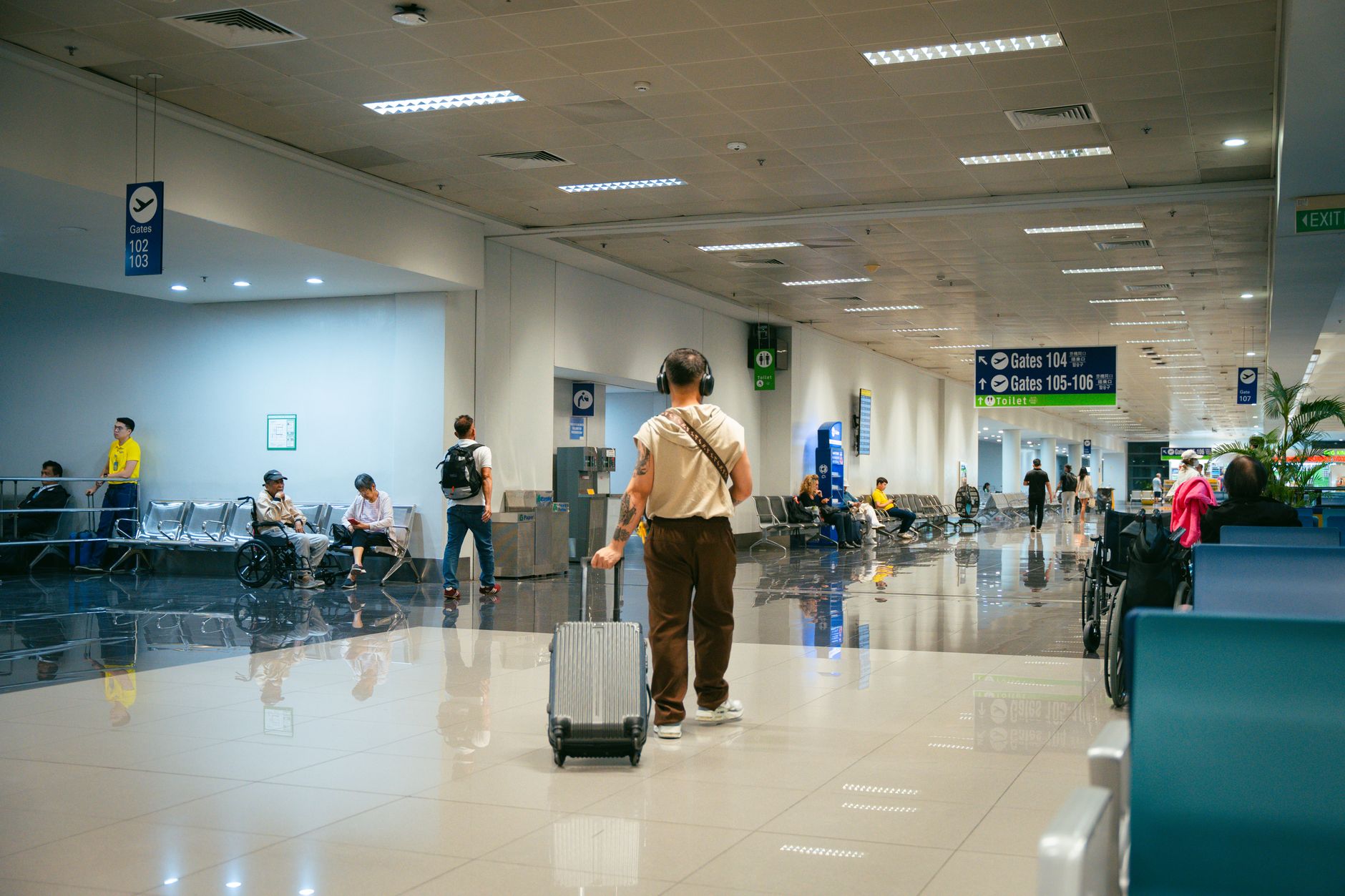
Traveling by plane can be an exhilarating experience, but it can also come with its own set of challenges. One of the common questions travelers have is regarding the use of wireless headphones onboard. In this article, we will explore the rules, considerations, and recommendations surrounding the use of wireless headphones during flights.
The debate around using wireless headphones on a plane tends to focus on safety regulations and practicality. As technology continues to evolve, many airlines have adapted their policies regarding personal electronic devices, including wireless headphones. This article will help you understand how to navigate these rules effectively, ensuring that your journey is as pleasant and comfortable as possible.
Can You Use Wireless Headphones On A Plane?
Yes, you can generally use wireless headphones on a plane, but there are some conditions. Most airlines allow Bluetooth devices once the aircraft has reached cruising altitude. However, it is crucial to check with the airline you are flying with for their specific policies.
Understanding Airline Policies
Each airline has its own set of rules regarding the use of devices, including headphones. While most have relaxed their regulations in recent years, it is essential to familiarize yourself with the following:
- Bluetooth Capabilities: Once you are above 10,000 feet, most airlines permit the use of Bluetooth headphones. However, certain airlines may have restrictions based on their aircraft or regulations.
- Pre-flight Instructions: During the pre-flight briefing, flight attendants will inform passengers about when electronic devices can be used. Always pay attention to these announcements.
- Flight Mode: Ensure that your device is in flight mode while your wireless headphones are connected to it. This prevents any signal interference with the aircraft’s navigation systems.
Why Might There Be Restrictions?
The primary reason for restrictions on electronic devices during flights relates to safety. Wireless signals may interfere with the aircraft’s communication and navigation systems, although this is now a strongly debated issue among experts. Airlines err on the side of caution and often maintain earlier rules as a safety precaution.
Advantages of Using Wireless Headphones
Using wireless headphones while flying has several advantages that can enhance your travel experience. Here are some notable benefits:
- Comfort: Wireless headphones typically offer greater comfort as you aren’t tangled in wires, allowing you to move around freely.
- Noise Cancellation: Many wireless headphones include noise-canceling features, which can be particularly beneficial on a noisy plane.
- Long Battery Life: Most modern wireless headphones have long battery life, reducing the need to recharge during your trip.
- Hands-Free Calls: If you need to take calls while flying, wireless headphones allow for hands-free communication without removing your headphones.
Preparing for Your Flight: Tips for Using Wireless Headphones
To ensure a smooth experience with your wireless headphones during your flight, consider these practical tips:
1. Check Compatibility
Before your trip, make sure that your wireless headphones are compatible with your devices and that you have any necessary adapters or cables if needed.
2. Charge Your Headphones
Make sure your headphones are fully charged before flying. This will help ensure they last through the length of your flight.
3. Download Entertainment
If you plan to stream movies or music, download content to your device while you still have Wi-Fi access to avoid buffering issues once you’re in flight mode.
4. Pack Extra Accessories
Bring additional items like a charging cable or a wired option as a backup, particularly for long-haul flights where you may not find charging ports.
5. Learn to Connect
Familiarize yourself with the pairing procedure for your wireless headphones. Knowing how to connect quickly saves time once you board the aircraft.
Noise-Canceling Headphones: Worth the Investment?
If you’re considering investing in headphones specifically for travel, noise-canceling models can provide an enhanced experience. Here’s why they might be worth considering:
- Reduce Background Noise: Noise-canceling headphones can significantly block out engine roar and chatter, allowing for a more peaceful environment.
- Enhanced Sound Quality: These headphones often deliver clearer sound, making your in-flight entertainment sound better.
- Less Fatigue: Reducing background noise minimizes ear fatigue over long flights, providing a more comfortable experience.
Etiquette for Using Headphones on a Plane
While using headphones can greatly enhance your travel experience, it’s essential to be considerate to those around you. Here are a few etiquette guidelines:
1. Volume Control
Keep the volume at a reasonable level. If fellow passengers can hear your music or movies, it may disturb them.
2. Be Mindful of Flight Attendants
Always remove your headphones when flight attendants approach to offer service or important information.
3. Engage in Conversation
If someone initiates a conversation with you, be courteous and remove your headphones to engage fully.
What to Do if Wireless Headphones Are Not Allowed
In rare instances, certain airlines may restrict the use of wireless headphones due to technical limitations or specific safety protocols. Here are some alternatives:
- Wired Headphones: Most airlines provide complimentary wired headphones for in-flight entertainment. If allowed, consider using them as an option.
- Use Airplane Mode: Ensure your device is in airplane mode, and keep it powered off during takeoff and landing.
- Communicate with Staff: If you’re uncertain, don’t hesitate to ask the flight attendants about the specific rules regarding headphones on your flight.
Traveling with Children: Tips for Using Headphones
Traveling with children may require additional planning regarding the use of wireless headphones. Here are some tips for parents:
1. Kid-Friendly Headphones
Select wireless headphones designed for children. These often have volume limitations to protect young ears.
2. Download Child-Friendly Content
Plan ahead by downloading movies or shows that your child enjoys. This keeps them entertained during the flight.
3. Monitor Usage
Keep an eye on how long they wear their headphones. Take breaks to engage them with games or quizzes.
Final Considerations Before You Fly
Before you leave for the airport, review these last points regarding wireless headphones:
- Verify Airline Policies: Always double-check your airline’s specific policies regarding wireless device use before your flight.
- Know Security Procedures: Be aware that you may need to remove wireless devices for security screenings, so pack them for easy access.
- Respect the Environment: Consider the impact of your audio experience on others. Share your music through headphones and keep the atmosphere enjoyable.
The Future of Wireless Headphones on Planes
As technology continues to advance, the future of wireless headphone usage during flights may shift. Airlines are increasingly adopting more flexible policies as they upgrade their aircraft and technology. Here are a couple of possible trends:
- More Allowance for Wireless Devices: As issues with signals are better understood, more airlines may allow wireless devices throughout the flight.
- Enhanced Cabin Features: Emerging aircraft may come equipped with built-in Bluetooth capabilities, making it even easier to use wireless headphones.
Summary and Practical Next Step
In summary, using wireless headphones on a plane is generally permitted above 10,000 feet, but it’s vital to check with your airline for any specific guidelines. Investing in quality headphones can greatly improve your comfort during flights. Make sure to check compatibility, charge your devices, and stay aware of your surroundings for an enjoyable flight experience.
If you’re traveling soon, begin by checking out your airline’s specific policies and preparing your devices. This preparation will help ensure a smoother journey.
For further reading on travel tips, visit our articles on bringing cologne on a plane and how much liquid is allowed on a plane.