
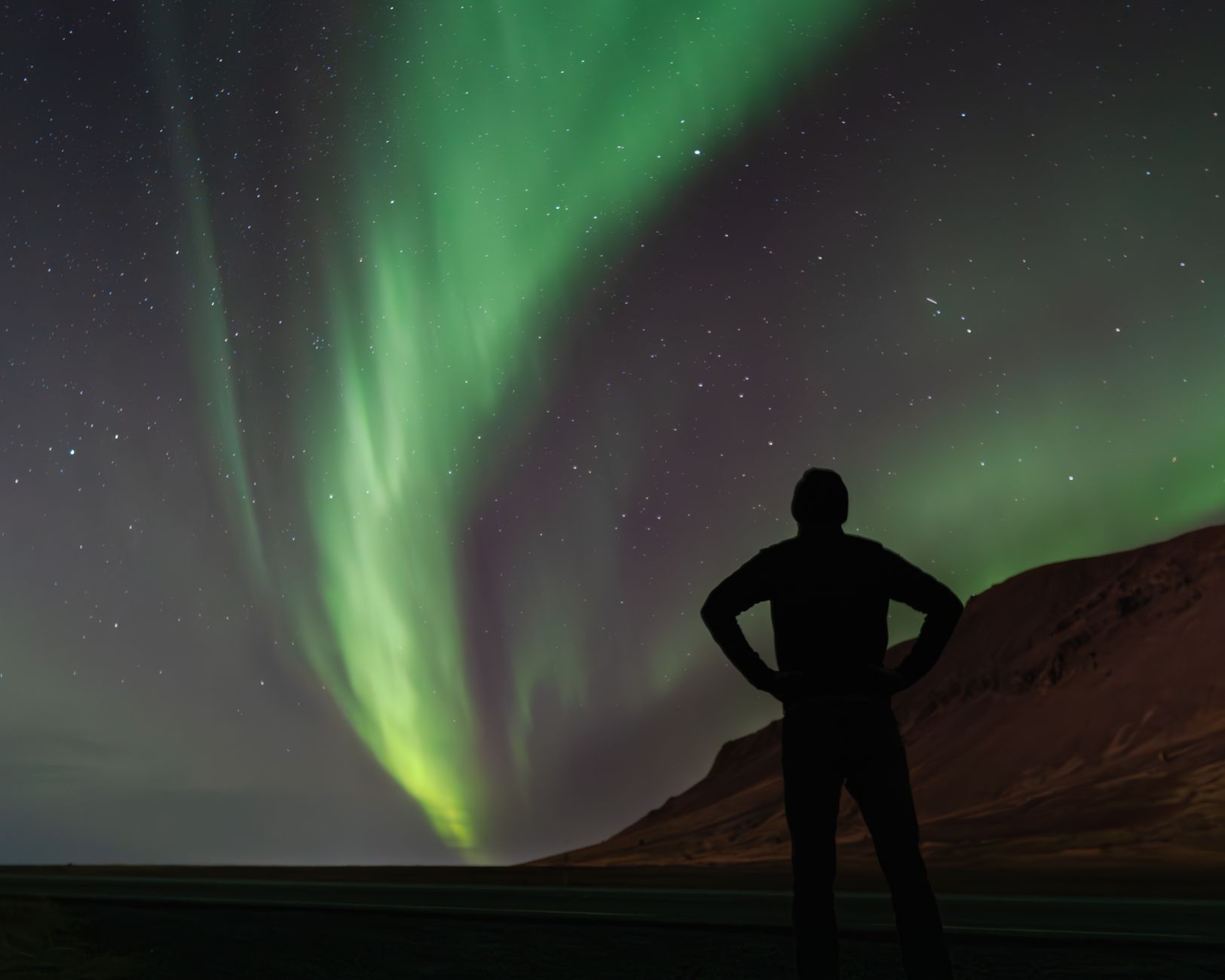
Banff National Park is a breathtaking destination known for its stunning mountain landscapes, outdoor activities, and a vibrant array of wildlife. One of the most mesmerizing natural phenomena you can experience here is the Northern Lights, or Aurora Borealis. This stunning light display provides a magical experience, making many travelers curious about when and where they can observe this celestial wonder.
In this article, we will explore whether you can see the Northern Lights in Banff, the best times to view them, tips for planning your trip, and various activities that complement this spectacular experience. By the end, you will have all the information you need to enjoy the Northern Lights in Banff.
Can You See Northern Lights In Banff?
Yes, you can see the Northern Lights in Banff, although sightings are not guaranteed. The best chances occur during the fall and winter months, particularly between September and March, when the nights are longest and skies are darkest.
Understanding the Northern Lights
The Aurora Borealis, known as the Northern Lights, occurs when charged particles from the sun collide with gases in the Earth’s atmosphere. These collisions produce vibrant colors—primarily green, red, and purple—that dance across the night sky. The phenomena are more visible in places like Banff due to minimal light pollution and elevated dark skies.
Best Times to See the Northern Lights in Banff
Seasonal Considerations
To optimize your chances of seeing the Northern Lights, consider the following seasonal breakdown:
- Fall (September to November): This season offers clear skies with minimal moisture in the air. Early fall is particularly promising as nights become darker, and the less frequent storms clear the atmosphere.
- Winter (December to March): Winter is prime viewing season due to long nights and often clear skies. The cold air can enhance visibility. Keep warm and dress in layers while searching for the lights during the chilly nights.
- Spring (April to May): Late winter and early spring also provide opportunities, though sightings can become less frequent as the days lengthen and temperatures rise.
Time of Day
The best time to observe the Northern Lights is typically between 10 PM and 2 AM. Plan your excursions accordingly, ensuring you stay out late enough to catch a glimpse when the lights are most active.
Aurora Forecasts
Utilize online resources and mobile apps that provide Aurora forecasts. Websites like the Aurora Service and My Aurora Forecast allow travelers to gauge the likelihood of sightings based on solar activity and local weather conditions.
Best Viewing Locations in Banff
To improve your chances of observing the Northern Lights, it’s important to choose the right viewing spots away from city lights. Here are some of the best locations in Banff for viewing the Aurora Borealis:
- Lake Minnewanka: This expansive glacial lake is a short drive from the town of Banff. The dark, expansive skies over the lake provide a stunning backdrop for the Northern Lights.
- Moraine Lake: This iconic turquoise lake can be challenging to access in winter due to snow, but if reachable, it offers incredible views of the surrounding peaks and a great chance for Aurora viewing.
- Bow Valley Parkway: This scenic route offers multiple pull-off points with minimal light pollution. The parkway itself winds through gorgeous landscapes ideal for night sky photography.
- Sulphur Mountain Lookout: A popular spot to gaze at Banff and its surroundings, the lookout offers a high vantage point to spot the Northern Lights. Just be sure to plan your ascent and descent times carefully.
- Johnston Canyon: A location famous for its waterfalls, Johnston Canyon can be serene and beautiful under the glow of the Northern Lights.
How to Prepare for Northern Lights Viewing
Preparation is key to ensure you have a rewarding experience. Here are some practical tips for your Northern Lights adventure in Banff:
- Dress Warmly: The nights in Banff can get very cold, especially in winter. Layer up with thermal undergarments, waterproof boots, warm socks, insulated gloves, and a hat to keep warm.
- Bring Photography Gear: If you wish to photograph the Northern Lights, carry a camera with manual settings, a sturdy tripod, and consider bringing a remote shutter release to minimize camera shake.
- Pack Snacks and Drinks: Bringing snacks and warm drinks can make for a more comfortable experience while waiting for the lights to appear.
- Consider Staying for Multiple Nights: It’s best to plan for at least a few nights in Banff for the greatest chance of witnessing the Northern Lights. Weather can be unpredictable, and your chances improve with more time.
- Stay Informed About Weather Conditions: Search for clear skies before heading out. Clouds and precipitation can hinder visibility.
Activities to Enjoy in Banff Beyond the Northern Lights
While the Northern Lights are a highlight, Banff offers various activities to enhance your visit. Consider adding the following to your itinerary:
- Skiing and Snowboarding: Banff is renowned for its world-class ski resorts, including Sunshine Village and Lake Louise. Enjoy skiing or snowboarding during the day before heading out to view the Aurora at night.
- Snowshoeing and Cross-Country Skiing: These activities allow for exploration of the beautiful winter landscape, offering both exercise and stunning views.
- Ice Skating: Rent skates and enjoy a picturesque outdoor ice rink on Lake Louise, surrounded by stunning mountain views.
- Hot Springs: Relax in the Banff Upper Hot Springs after a day on the slopes. The warm waters are a perfect way to warm up before venturing out at night.
- Wildlife Viewing: Keep an eye out for local wildlife such as elk, deer, and bears, which can still be spotted in the park during colder months.
Travel and Accessibility Considerations
When planning a trip to Banff to see the Northern Lights, there are a few travel and accessibility considerations to keep in mind:
Getting There
Banff is located in Alberta, Canada, and is easily accessible by various means:
- By Air: The nearest major airport is Calgary International Airport (YYC), about a 1.5 to 2-hour drive from Banff. Many international and domestic flights are available.
- By Car: Renting a car gives you the freedom to explore not only Banff but the surrounding national parks, such as Yoho and Kootenay. Be cautious of winter driving conditions.
- Shuttle Buses: Several shuttle services operate from Calgary to Banff, making it an easy option for travelers without a vehicle.
Getting Around Banff
Once in Banff, consider the following transportation options:
- Public Transit: The Roam public transit system connects Banff to popular destinations and attractions in the area. It’s a convenient and affordable way to travel.
- Taxi Services: Taxi services are available if you prefer not to drive. Rideshare services might also be an option, though availability can vary.
Accessibility for Visitors with Disabilities
Banff offers various accessible options, with many services accommodating individuals with disabilities. Check the Banff National Park website for specific accessibility information regarding designated viewpoints and facilities.
Where to Stay in Banff
Accommodations can vary from high-end hotels to budget-friendly hostels. When looking for a place to stay, consider these options:
Luxury Accommodation
- Fairmont Banff Springs: This iconic hotel, known as the “Castle in the Rockies,” offers luxurious amenities and incredible views.
- Spa and Wellness Hotels: Various hotels in and around Banff provide wellness amenities, making them ideal for those looking to relax after a day of exploration.
Mid-Range Accommodation
- Banff Park Lodge: A comfortable hotel situated in the town center, offering easy access to local attractions and transport.
- Canalta Lodge: A great mid-range option with cozy accommodations and close proximity to the vibrant downtown area.
Budget Accommodation
- HI Banff Alpine Centre: A budget-friendly hostel perfect for solo travelers and backpackers, offering both dormitory and private rooms.
- Banff International Hostel: Another affordable hostel that provides a friendly environment for meeting fellow travelers.
Budgeting for Your Trip
Banff can be a popular destination, which means costs can vary widely. Here are some budgeting considerations you might want to keep in mind:
- Accommodation: Expect to pay more for lodging during peak seasons (winter holidays and summer). Prices can vary from more affordable hostels to luxury resorts.
- Dining: Eating out can be pricey, particularly at tourist hotspots. Consider dining at local pubs or taking advantage of more casual options for more budget-friendly meals.
- Transportation: If you are renting a car, factor in costs like gas, parking fees, and applicable travel insurance. Shuttle services can also vary based on the distance and duration of your trip.
- Activities: Factor in any entry fees for parks, rental costs for equipment if you are skiing or snowshoeing, and other expenses for tours or local attractions.
Final Thoughts on Watching the Northern Lights in Banff
Seeing the Northern Lights in Banff is certainly a possibility that can add a magical aspect to your travel experience. By considering when to visit, where to stay, and how to prepare, you’ll be better equipped to enjoy this beautiful natural occurrence. With stunning mountain settings and plenty of outdoor activities, Banff is worth a visit at any time of year.
Plan your trip, keep an eye on the aurora forecasts, and embrace the breathtaking beauty of both the Northern Lights and the stunning landscapes of Banff. You may discover the thrill of watching a natural wonder unfold in front of your eyes.
For more information on things to do in Banff, check out our guide on things to do in Alberta, and if you’re curious about the Northern Lights beyond Canada, explore our article on Northern Lights in Ireland.