
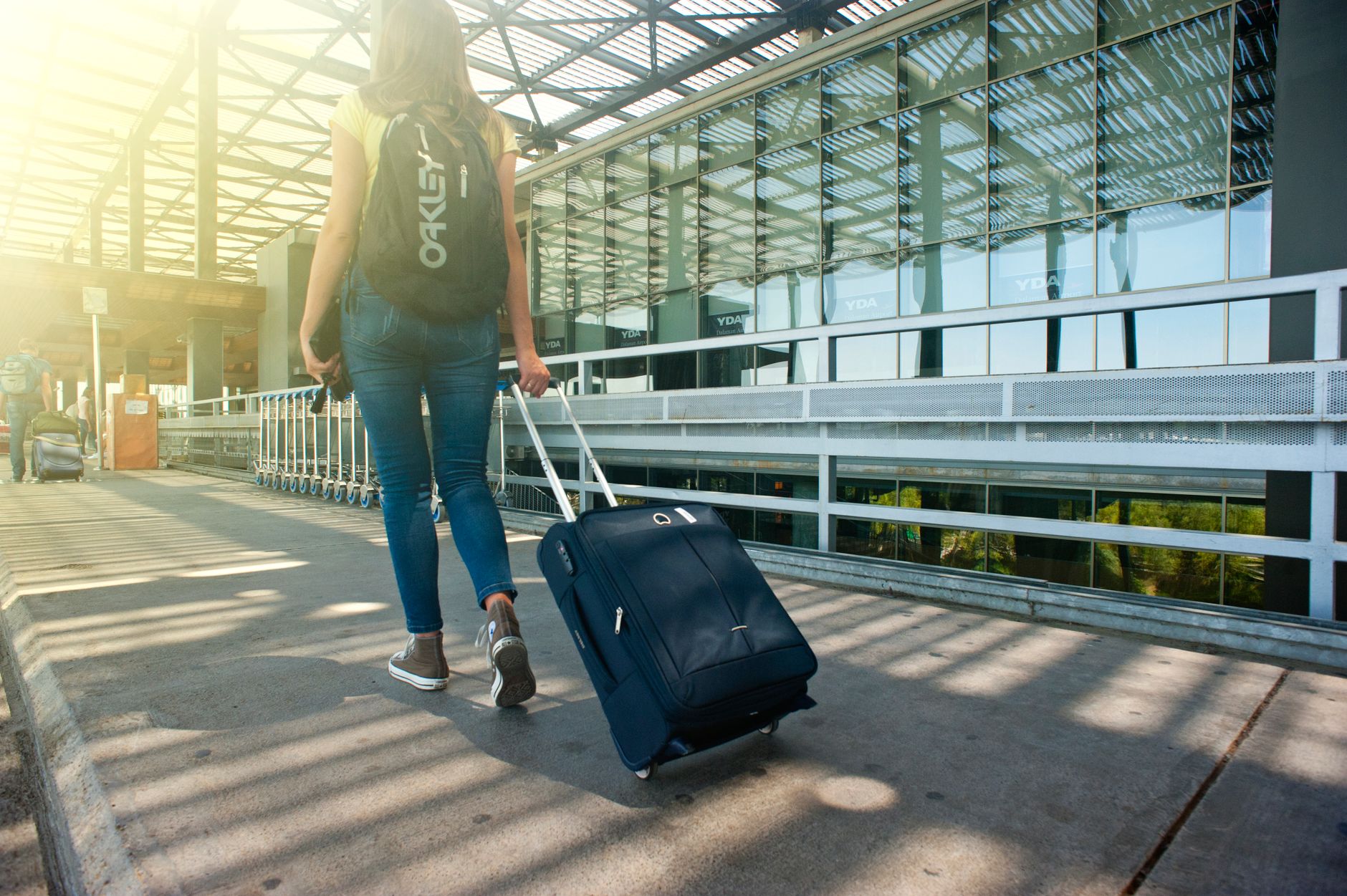
Having wisdom teeth removed is a common procedure, often leading to questions about post-operative care, including travel considerations. If you’re wondering whether you can fly after wisdom teeth removal, understanding the impacts of surgery and recovery will help you make an informed decision.
While traveling can be exciting, it’s essential to prioritize your health and comfort, especially after undergoing a dental procedure. In this article, we’ll explore essential aspects to consider when planning a trip after having your wisdom teeth removed.
Can You Fly After Wisdom Teeth Removal?
Yes, you can typically fly after wisdom teeth removal, but there are several factors to consider before booking your flight. Recovery time varies among individuals, so it’s important to listen to your body and follow your dentist’s advice regarding travel.
Understanding the Recovery Process
Wisdom teeth removal is an outpatient surgical procedure, which means you will be able to go home on the same day. However, recovery may take anywhere from a few days to a couple of weeks. Key factors influencing your recovery include:
- Type of anesthesia: If you had general anesthesia, you might feel groggy and need more recovery time.
- Complexity of extraction: Simple extractions may require less recovery time than impacted wisdom teeth.
- Individual health: Your age, overall health, and how well you follow post-operative instructions play a role.
When Is It Safe to Fly?
Generally, most dental professionals recommend waiting at least 48 to 72 hours after surgery before boarding a flight. It’s crucial to ensure that:
- You are relatively pain-free and able to manage discomfort with over-the-counter painkillers.
- Your swelling has significantly reduced.
- You can eat soft foods without issue.
Potential Concerns When Flying After Surgery
Before you fly, it’s essential to consider the potential risks associated with travel after wisdom teeth removal. Here are some concerns that may arise:
Altitude Changes
Pressure changes during takeoff and landing can affect your recovery. A common concern is the pain that may occur in your jaw due to pressure changes. This is especially pertinent if you have any residual swelling or pain.
Blood Clots
Long flights increase the risk of blood clots. After surgery, you’re often advised to avoid sitting still for extended periods. If you have a long-haul flight, move around the cabin periodically to promote blood circulation.
Infections
Another consideration is the risk of infection. Crowded airports and airplanes expose you to germs, which may increase your vulnerability as your immune system is still recovering. Ensure you maintain diligent oral hygiene and consider discussing your plans with your dentist.
Pain Management
Ensure that you have adequate pain relief options accessible during the flight. If you’re feeling discomfort, having medication readily available will help you manage pain while traveling.
Practical Tips for Flying After Surgery
If you decide to fly after wisdom teeth removal, here are some practical tips:
- Check with your dentist: Always consult your dentist for personalized advice based on your recovery status.
- Book a direct flight: If possible, choose a non-stop flight to minimize travel time and reduce the number of people you come into contact with.
- Stay hydrated: Drink plenty of water to prevent dehydration, which can worsen swelling and discomfort.
- Avoid alcohol: Alcohol can interfere with pain medication and may lead to increased swelling.
- Have a travel buddy: If navigating an airport post-surgery might be challenging, consider traveling with someone who can assist.
- Packing essentials: Bring a travel pillow, soft foods, pain medication, and any prescribed antibiotics.
- Plan for recovery time: Allow for a day or two at your destination to rest before participating in any activities.
Alternative Considerations
In some cases, flying shortly after wisdom teeth removal may not be ideal. Consider the following alternatives:
- Drive instead: If your destination is reachable by car, consider driving instead of flying. You can take breaks as needed and control your pace of travel.
- Postpone your trip: If your travel plans can wait, it may be best to delay until you are fully recovered. This will ensure you enjoy your trip without health concerns.
Frequently Asked Questions
How long does recovery typically take after wisdom teeth removal?
Most people experience significant improvement within 3 to 5 days after surgery, although complete healing can take up to two weeks.
Can I travel alone after the procedure?
While you can travel alone, it’s advisable to have someone accompany you, especially if you are under anesthesia that may affect your alertness.
What should I bring on the flight after dental surgery?
Bring your prescription medications, comfortable clothing, a neck pillow, snacks, and a refillable water bottle.
In Case of Emergency
While the chances are slim, emergencies can happen. As part of your travel planning:
- Know the nearest hospitals: Research medical facilities at your destination in case you experience complications.
- Insurance details: Keep your health insurance information handy, as this will facilitate care if needed.
Conclusion
Flying after wisdom teeth removal is typically possible, but it requires careful consideration of your recovery and health. Make sure you discuss your travel plans with your dentist and take into account your body’s signals. Remember to prioritize self-care during your journey, and allow flexibility in your travel plans to accommodate your recovery process.
For more practical travel advice and tips, explore our related guides such as what you can bring on a plane with liquid IVs or nail polish. Safe travels!