
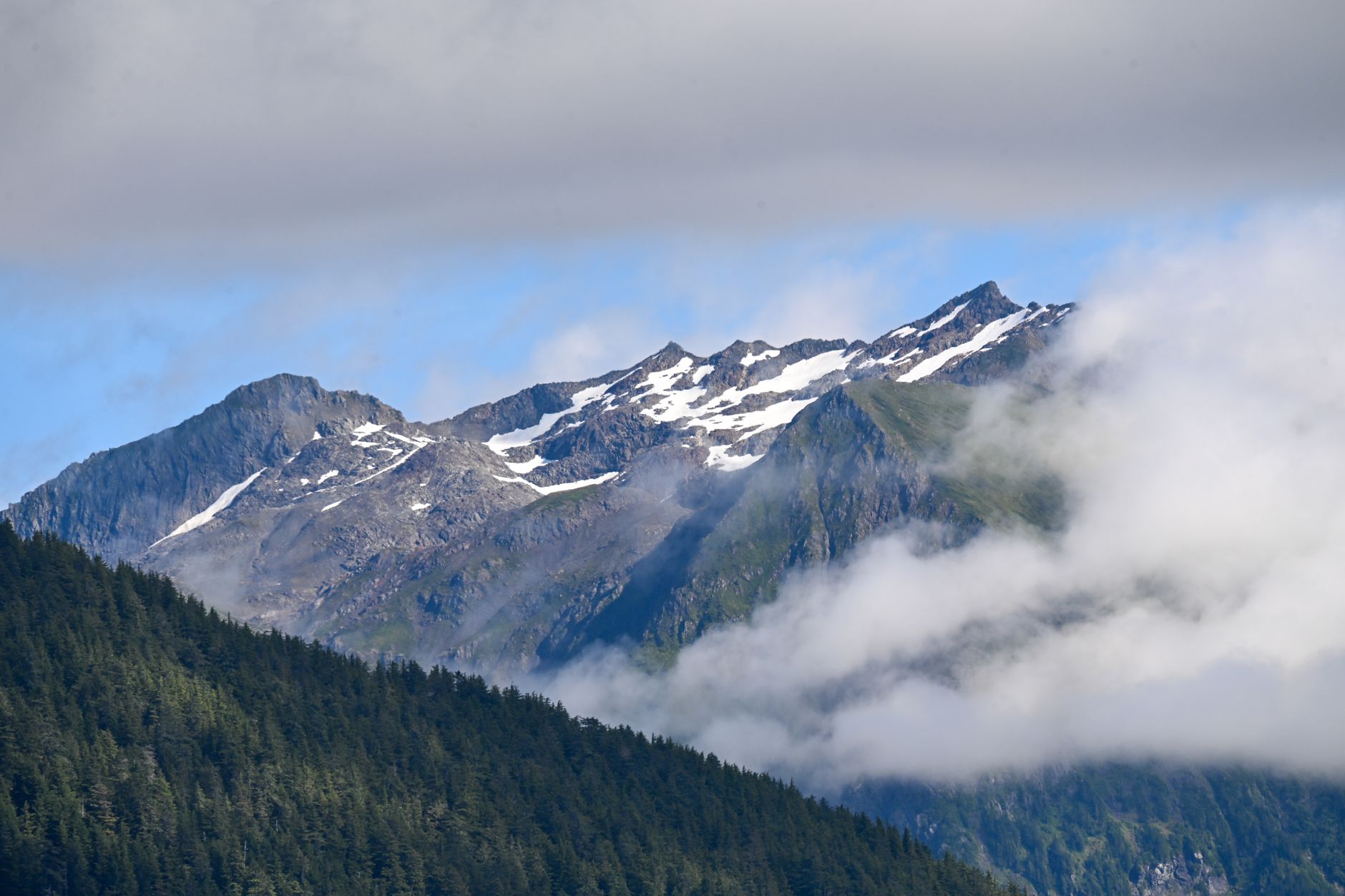
When planning a trip to Alaska from Seattle, one of the first questions to arise is how far the two locations are from one another. This distance can influence your travel plans, whether you’re considering a road trip, flight, or cruise. Understanding your options will help you choose the best method of transportation and itinerary for your adventure.
Alaska, the largest U.S. state, is located to the northwest of the contiguous 48 states. Seattle, known for its vibrant culture, is situated in the Pacific Northwest. The distance between these two points can vary depending on the specific locations you choose in both Alaska and Seattle, but for most travel purposes, we can generalize the distance and travel options available.
How Far Is Alaska From Seattle?
The distance from Seattle to the nearest point in Alaska, which is usually the southeastern city of Ketchikan, is approximately 675 miles (1,085 kilometers) by air. If you are considering a trip to Anchorage, the distance increases to around 2,250 miles (3,620 kilometers) by air. Keep these distances in mind when making your travel plans, as they will dictate the best means of transportation available.
Traveling by Air from Seattle to Alaska
The most common and efficient way to travel from Seattle to Alaska is by air. There are several airlines that provide direct flights from Seattle-Tacoma International Airport (SEA) to various destinations in Alaska, such as Anchorage (ANC), Juneau (JNU), and Ketchikan (KTN).
Airlines and Flight Durations
- Alaska Airlines: Offers multiple flights daily to various Alaskan destinations with flight durations ranging from 2.5 hours to 4 hours depending on the location.
- Delta Airlines: Provides direct flights mainly to Anchorage, with similar flight times as Alaska Airlines.
- SWA Airlines: Has seasonal flights available, so check availability if traveling during the off-peak season.
On average, a flight from Seattle to Anchorage takes about 4 hours, while flights to Juneau and Ketchikan are considerably shorter, clocking in at about 2.5 to 3.5 hours.
Budgeting for Your Flight
When budgeting for flights, expect round-trip fares to range from $300 to $600, depending on the time of year, how far in advance you book, and the demand for flights. Keep in mind that flights during peak summer months—particularly June, July, and early August—tend to be more expensive. For the best deals, consider booking at least two months in advance and flying midweek, which is typically cheaper than weekend flights.
Traveling by Road from Seattle to Alaska
If you’re in the mood for an adventurous road trip, you can drive from Seattle to Alaska. This journey covers approximately 2,000 miles (3,220 kilometers) and will take you through Canada, specifically the Yukon Territory. Keep in mind that it’s essential to have the proper documentation, including a valid passport, to cross into Canada.
Popular Route: Alaska Highway
The primary route is the Alaska Highway, which stretches through breathtaking landscapes and offers numerous opportunities for sightseeing. Here are some key points to make the most of your road trip:
- Start in Seattle: Begin your journey in Seattle and head north on I-5.
- Cross into Canada: After crossing the border, continue on the Trans-Canada Highway (Highway 1).
- Connect to Alaska Highway: At Dawson Creek, British Columbia, you can hit the Alaska Highway and start heading northwest.
Travel Considerations
Expect the drive to take four to five days, depending on how many stops you make along the way. The route is known for its stunning views of mountains, lakes, and forests, so don’t rush it. Here are a few notable stops worth considering:
- Prince George: A good resting point with several lodging and dining options.
- Fort Nelson: This historic town offers insight into the construction of the Alaska Highway.
- Liard River Hot Springs: A great place to take a dip and relax after a long drive.
Budgeting for Your Road Trip
Your overall cost for a road trip will depend on gas prices, accommodation, food, and activities along the way. Expect to budget at least $400 to $600 for gas alone, depending on your vehicle’s fuel efficiency. Additionally, plan for accommodations ranging from $100 to $200 per night for hotels or campgrounds, and allocate funds for meals and any attractions you want to experience along the route.
Taking a Cruise from Seattle to Alaska
If you prefer a more leisurely approach, consider taking a cruise from Seattle to Alaska. Many cruise lines offer round-trip itineraries that provide an in-depth experience of the Alaskan coast.
Cruise Options and Itineraries
- Major Cruise Lines: Princess Cruises, Holland America, and Royal Caribbean all frequently depart from Seattle.
- Itinerary Highlights: Most cruises last 7-10 days and stop at ports like Juneau, Ketchikan, and Skagway, along with scenic cruising through Glacier Bay.
A cruise not only allows you to experience multiple Alaskan locations, but it also provides onboard amenities and activities that enhance your travel experience.
Budgeting for a Cruise
A typical cruise fare ranges from $600 to $2,000 per person, depending on the time of year and type of cabin selected. Be aware that additional costs, such as excursions, alcoholic beverages, and onboard gratuities, can significantly increase your total cost. To secure the best deals, book your cruise during the off-peak season and be flexible with your travel dates.
What to See and Do in Alaska
Regardless of the mode of travel you choose, you’ll find an abundance of activities and attractions in Alaska that are worth exploring.
Outdoor Adventures
- Glacier Tours: Participate in guided tours that take you through spectacular glaciers.
- Wildlife Viewing: Alaska is home to moose, bears, whales, and sea otters. Opt for wildlife cruises or National Park visits.
- Hiking: Trails in Denali National Park and the Kenai Peninsula offer adventurous routes for all skill levels.
Cultural Experiences
Experience the local culture by visiting museums, art galleries, and cultural centers. Some notable spots include:
- Alaska Native Heritage Center: A must-visit to understand Alaska Native cultures, history, and traditions.
- Museum of the North: Located in Fairbanks, it showcases the cultural history of Alaska and its diverse peoples.
Best Times to Visit Alaska
The peak tourist season in Alaska extends from late May to mid-September. This window offers the most pleasant weather, making it ideal for outdoor activities and sightseeing. However, if you prefer solitude, consider visiting in early spring or late fall for a more relaxed experience.
Accommodation Options in Alaska
From hotels to cabins, Alaska offers a variety of lodging choices. Here’s a breakdown based on different travel styles:
Hotels and Resorts
For a comfortable stay, consider hotels in major cities like Anchorage or Juneau. Popular chains often provide quality services and amenities.
Cabins and Lodges
If you crave a rustic experience, seek out cabins or lodges in national parks. These alternative accommodations often provide a unique vantage point for wildlife viewing or enjoying nature.
Camping
For outdoor enthusiasts, camping allows you to immerse yourself in Alaska’s stunning landscapes. National parks offer well-maintained campgrounds with breathtaking views.
Transportation Within Alaska
When you’re in Alaska, how you get around depends on where you are visiting. Here are some transportation options:
Public Transit and Shuttles
Major cities like Anchorage and Juneau offer public transportation options such as buses and shuttles that can take you to key attractions. For remote areas, consider shuttle services.
Car Rentals
Renting a car provides flexibility, particularly if you intend to visit several locations. Most major rental companies service Alaska, but booking in advance is advisable during peak season to guarantee availability.
Alaska Railroad
The Alaska Railroad provides scenic train rides through stunning landscapes, connecting various panhandle and interior communities. The train experience offers a unique perspective not available through other modes of transportation.
Packing for Your Trip to Alaska
Packing appropriately for both Seattle and Alaska is crucial for a successful trip. Here’s a practical packing list to consider:
- Layered Clothing: Include base layers, insulating layers, and waterproof outer layers to adequately handle the variable Alaskan weather.
- Comfortable Footwear: Sturdy hiking boots are essential for outdoor activities, while casual shoes work well for city exploration.
- Travel Essentials: Don’t forget your camera, binoculars for wildlife watching, and a reusable water bottle.
Final Tips for Traveling to Alaska
Finally, keep in mind these practical tips to ensure a seamless trip to Alaska:
- Always check the weather forecast close to your travel date, as conditions can change rapidly.
- Book tours and excursions in advance, especially during peak season, to secure spots and avoid disappointment.
- Familiarize yourself with local regulations and guidelines, particularly regarding wildlife encounters and outdoor safety.
With careful planning and consideration of your travel options from Seattle to Alaska, you can create a memorable and enriching experience in this stunning state. Whether enjoying the views from a road trip, the convenience of air travel, or the luxury of a cruise, Alaska awaits with its breathtaking landscapes and unique culture.
If you’re interested in more insights on travel, explore our articles on Alaska’s September Weather and What to Wear on an Alaskan Cruise in August.