
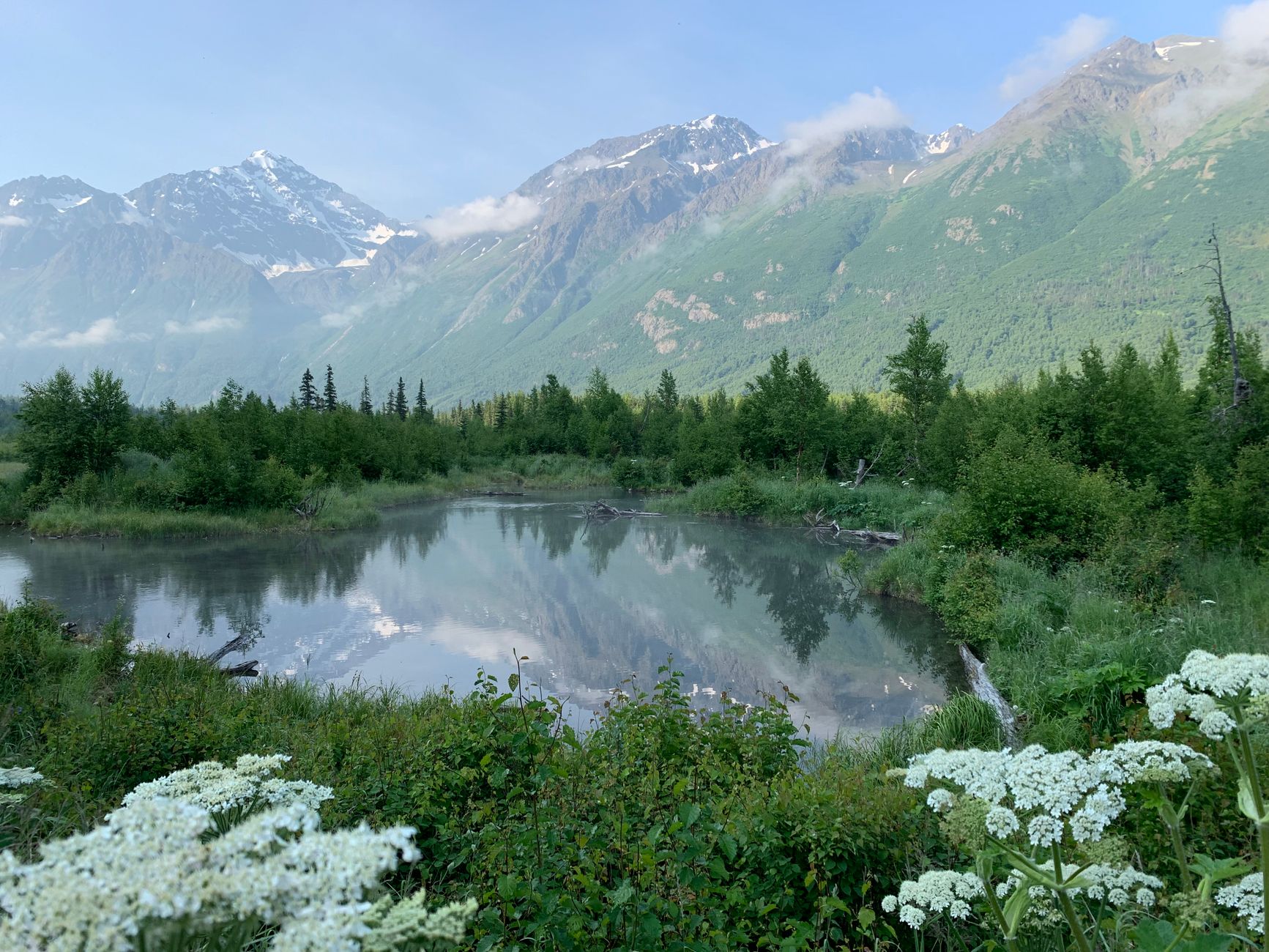
Choosing the right time to visit Alaska can significantly enhance your adventure in this expansive wilderness. From the enchanting landscapes bathed in midnight sun to the snow-capped mountains blanketed in winter snow, Alaska offers unique experiences throughout the year. Understanding the seasonal highlights and average conditions can help you plan an unforgettable trip.
Visitors to Alaska can enjoy a variety of activities depending on the season, making it essential to align your travel dates with your interests. This guide will delve into the best times to visit, seasonal trade-offs, and practical planning tips to ensure you have a remarkable Alaskan adventure.
When is the Best Time to Visit Alaska?
The best time to visit Alaska largely depends on what you want to experience. Generally, the summer season, from May to September, attracts the most visitors. However, each season offers its distinct attractions, weather conditions, and activities.
Summer (May to September)
Summer is considered the peak tourist season in Alaska. Warm temperatures, longer daylight hours, and abundant wildlife make it an attractive time for outdoor activities.
- Weather: Daytime temperatures range from 60°F to 80°F (15°C to 27°C) depending on the area.
- Activities: Summer is perfect for hiking, fishing, whale watching, and exploring national parks.
- Daylight: Enjoy nearly 24 hours of sunlight in some parts, especially during June and July.
Fall (September to October)
Fall offers a different charm, with autumn colors painting the landscapes and fewer crowds. This is an excellent time for photography and enjoying the tranquility of nature.
- Weather: Temperatures start to cool down, ranging from 30°F to 60°F (-1°C to 15°C).
- Activities: A good time for berry picking and wildlife viewing, as animals prepare for winter.
- Crowds: Visitor numbers decrease, resulting in a calmer experience.
Winter (November to March)
Winter in Alaska transforms the landscape into a snow-covered wonderland. The winter months provide a unique experience, especially for those interested in winter sports.
- Weather: Expect temperatures from -20°F to 30°F (-29°C to -1°C) in most regions.
- Activities: Skiing, snowshoeing, and witnessing the Northern Lights are popular.
- Daylight: Limited daylight can be challenging, especially in January.
Spring (April to early May)
Spring signifies renewal, as the snow melts and wildlife emerges. This is a quieter time to explore the region.
- Weather: Temperatures typically range from 30°F to 60°F (-1°C to 15°C).
- Activities: Spring skiing and wildlife viewing are popular as bears wake from hibernation.
- Crowds: Fewer tourists offer a peaceful atmosphere for exploration.
Key Considerations for Your Trip
Understanding seasonal trade-offs is crucial in planning your visit. Each season hosts unique opportunities and challenges. Here are some key considerations:
Wildlife Viewing
If wildlife viewing is a priority, summer provides the best opportunities to see migratory animals. However, fall can also be rewarding when bears prepare for hibernation, and you might spot moose and caribou more easily.
Adventure Activities
The summer months are ideal for kayaking, fishing, and hiking. Winter, on the other hand, invites adventurous souls for skiing, snowboarding, and dog sledding.
Local Events and Festivals
Participating in local events can enhance your cultural experience. Some notable times include:
- Iditarod Sled Dog Race: Takes place in March, showcasing Alaska’s unique racing tradition.
- Alaska State Fair: Held in late August, featuring exhibitions of local agriculture, music, and entertainment.
- First Friday Art Walk: Monthly events in Anchorage and other cities celebrating local artists.
Planning Your Itinerary
An optimal length of stay in Alaska will depend on your interests and the areas you plan to visit. For a comprehensive experience, consider a week to ten days. Here’s a sample itinerary that incorporates various facets of what Alaska has to offer:
Sample Itinerary (10 Days)
- Day 1: Arrival in Anchorage
- Explore downtown Anchorage and visit the Alaska Native Heritage Center.
- Day 2: Anchorage to Seward
- Travel to Seward, approximately a 2.5-hour drive, and visit Kenai Fjords National Park.
- Day 3: Glacier Tour from Seward
- Take a day cruise to see glaciers and marine wildlife.
- Day 4: Seward to Talkeetna
- Drive to Talkeetna, a quaint town offering views of Denali.
- Day 5: Talkeetna to Denali National Park
- Travel to Denali, about a 2-hour drive; explore the park on a guided tour.
- Day 6: Denali National Park
- Hike or take a shuttle to see the park’s stunning landscapes and wildlife.
- Day 7: Denali to Fairbanks
- Drive to Fairbanks, about 2-2.5 hours away.
- Day 8: Fairbanks
- Visit the Museum of the North and take an evening tour to see the Northern Lights.
- Day 9: Fairbanks to Anchorage
- Return to Anchorage, stopping at scenic viewpoints along the way.
- Day 10: Departure from Anchorage
- Last-minute shopping and exploring before departure.
Transportation in Alaska
Getting around Alaska can be a bit challenging due to its vastness. Here are transportation options to consider:
By Car
Driving is one of the most popular ways to explore Alaska. Rent a car or an RV for flexibility, and make sure to check road conditions, especially in winter.
By Air
Domestic flights are common between major cities, particularly in remote areas. Consider flying into smaller regional airports for easier access to certain touristic spots.
By Train
The Alaska Railroad offers scenic train routes between major destinations, providing breathtaking views of the landscapes.
Public Transport
While public transport is available in cities, it may not reach all tourist sites. Rental vehicles or guided tours can be more reliable options.
Where to Stay
Accommodations in Alaska range from luxury resorts to budget-friendly hostels. Here are some options across different areas:
Anchorage
- Luxury: Hotel Alyeska – A beautiful resort located in Girdwood, providing stunning mountain views.
- Mid-range: The Hotel Captain Cook – Centrally located with comfortable amenities.
- Budget: Anchorage Downtown Hostel – Offers affordable accommodations close to local attractions.
Seward
- Luxury: Seward Windsong Lodge – Nestled in a picturesque area near the Exit Glacier.
- Mid-range: Harbor 360 Hotel – Provides scenic views of the harbor.
- Budget: Seward Military Resort – Affordable lodging options for everyone.
Denali National Park
- Luxury: Denali Backcountry Lodge – An exclusive lodge located in the park.
- Mid-range: Grande Denali Lodge – Offers stunning views and easy access to the park.
- Budget: Denali Park Village – Budget-friendly options close to the park.
Budget Considerations
Alaska can be pricey due to its remote location and unique offerings. Here are a few tips for keeping your expenses manageable:
- Travel Off-Peak: Consider visiting during shoulder seasons (late spring or early fall) for lower prices and fewer crowds.
- Book in Advance: Secure travel and accommodation ahead of time to avoid last-minute price hikes.
- Take Advantage of Free Activities: Hiking, wildlife viewing, and scenic drives are often free or low-cost.
Packing Guide for Alaska
Proper clothing and gear can greatly impact your comfort during your trip. Here’s a basic packing list:
- Layers: Pack base layers, insulating layers, and waterproof outer layers.
- Footwear: Waterproof hiking boots for summer and insulated boots for winter.
- Accessories: Gloves, hats, and scarves for cooler weather, particularly in spring and fall.
- Equipment: Binoculars for wildlife viewing and a good camera to capture stunning landscapes.
Safety Considerations
Alaska’s wilderness can be unpredictable. Here are some safety tips to keep in mind:
- Wildlife Awareness: Keep a safe distance from wild animals, especially bears and moose.
- Weather Preparedness: Always check the weather forecast and be ready for sudden changes.
- Emergency Plan: Have a plan for emergencies and ensure someone knows your itinerary.
Alaska is a destination that offers breathtaking scenery, diverse wildlife, and fresh air. Choosing the right time to visit, based on your interests and preferences, is essential for a truly memorable experience. By considering the seasons, activities, and travel logistics, you can design a trip that meets your expectations and creates lasting memories.
For detailed insight into seasonal weather, check out our article on Alaska’s September Weather. If you’re planning to cruise, make sure to read about what to wear on an Alaskan cruise in August to ensure you pack appropriately.