
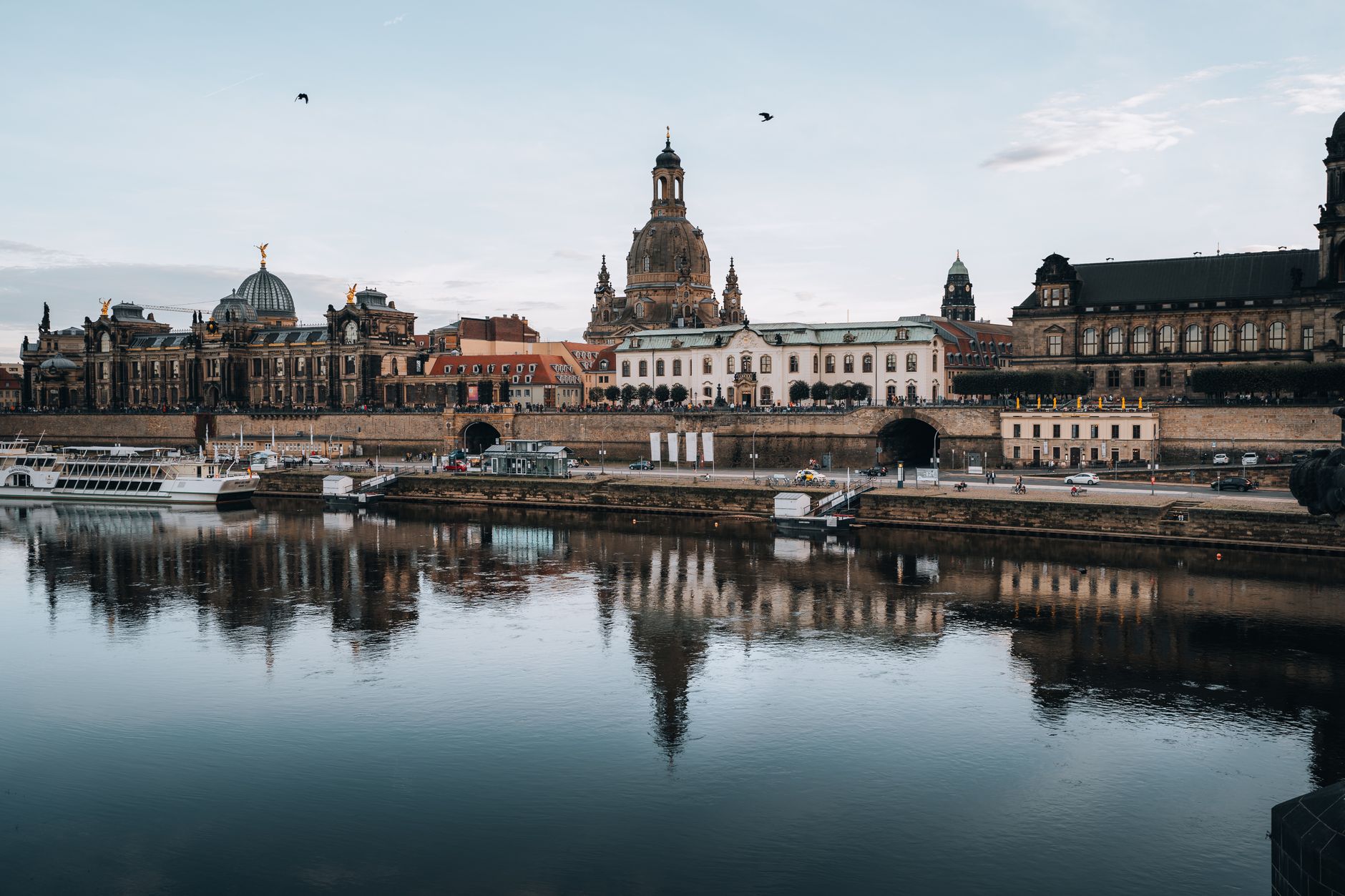
The Tiber River, or Tevere in Italian, is one of Italy’s most iconic rivers, flowing through the heart of Rome before reaching the Tyrrhenian Sea. Spanning approximately 252 kilometers, it holds a significant place in history, culture, and local life. Traveling to the Tiber River not only brings a chance to witness its beauty but also provides access to various attractions along its banks.
This article will serve as a guide to the Tiber River, highlighting its location, historical significance, and tips for making the most of your journey along its scenic route. Whether you’re a history buff, an admirer of nature, or a foodie looking to experience the local culture, the Tiber River area has something for everyone.
Where Is The Tiber River?
The Tiber River is located in central Italy, flowing primarily through the city of Rome. It originates in the Apennine Mountains and traverses several regions before emptying into the Tyrrhenian Sea at Ostia. As you explore Rome, the river serves as a natural divide, allowing you to discover distinct neighborhoods and landmarks on either side.
Historical Significance of the Tiber River
The Tiber River has been a vital waterway since ancient times, serving as a crucial trade route for the Romans. Historically, it played an essential role in the founding of Rome, as legend has it that the city was established on its banks by Romulus and Remus. Throughout the centuries, the river has witnessed pivotal political events, cultural developments, and the rise and fall of empires, making it a fascinating area to explore.
Getting to the Tiber River
Accessing the Tiber River is straightforward, especially if you’re already in Rome. Below are several transportation options to consider:
- By Foot: If you’re staying in central Rome, many key attractions are within walking distance of the Tiber River. The riverbanks are lined with pedestrian paths, allowing for leisurely strolls while enjoying the views.
- By Metro: Take Line A or Line B of the Rome Metro to reach various stops near the river, such as “Piazza di Spagna” or “Piramide.” From there, you can walk to the riverbanks.
- By Bus: Rome’s extensive bus network provides several routes that stop near the Tiber River. Look for buses heading towards the Trastevere or Testaccio neighborhoods for easy access.
- By Bicycle: Some rental services allow you to explore the city on two wheels. Consider renting a bike to ride along the Tiber River Cycling Path, which offers scenic routes and picturesque views of the river.
Exploring the Tiber River Area
Visiting the Tiber River allows you to engage with numerous attractions and experiences along its banks. Here are some highlights worth exploring:
1. Historical Attractions
The Tiber River is flanked by various historical landmarks that narrate the story of Rome’s rich heritage. Here are some notable sites:
- The Vatican City: Located right next to the Tiber, Vatican City is home to St. Peter’s Basilica, the Vatican Museums, and the Sistine Chapel, featuring Michelangelo’s breathtaking frescoes.
- Ponte Sant’Angelo: This beautiful bridge, adorned with angel statues, offers stunning views of the Tiber and leads to the Castel Sant’Angelo, a fortress steeped in history.
- Campo de’ Fiori: A lively square and market area, it’s an excellent spot to experience local culture and cuisine.
- Pantheon: An architectural masterpiece, the Pantheon is just a short distance from the river, boasting a history dating back to the 2nd century AD.
2. Parks and Green Spaces
The riverbanks are lined with beautiful parks and green spaces, perfect for relaxation or outdoor activities:
- Parco della Resistenza: Located near the Tiber, this park offers walking paths, picnic spots, and enchanting views of the river.
- Villa Doria Pamphili: Just a short distance from the river, this expansive park is ideal for leisurely strolls and enjoying the natural surroundings.
3. Neighborhoods Along the Tiber
Some of Rome’s most vibrant neighborhoods are situated alongside the Tiber River, each with its unique charm and offerings:
- Trastevere: A bohemian neighborhood known for its narrow cobblestone streets, lively bars, and delightful trattorias. Explore its vibrant atmosphere and sample delicious Roman cuisine.
- Testaccio: This area is a foodie haven, famous for its markets and authentic restaurants offering traditional Roman dishes. A visit to the Testaccio Market is a must.
Dining Along the Tiber River
Exploring the Tiber River also means indulging in some of Rome’s finest culinary experiences. Here are a few dining spots that offer fantastic views and local flavors:
- Ristorante Aroma: Enjoy a luxurious dining experience with views of the Colosseum and Tiber River. Reservations are recommended for this rooftop restaurant.
- Ristorante Il Sogno: Located in Trastevere, this eatery offers authentic Roman dishes with a cozy atmosphere.
- Trattoria Da Enzo al 29: A beloved local spot known for its traditional Roman pasta dishes and welcoming ambiance.
Festivals and Events Along the Tiber River
The Tiber River plays host to numerous festivals and events throughout the year, allowing visitors to engage with local traditions:
- Rome’s River Festival: Typically held in the summer months, this festival features live music, art installations, food stalls, and activities along the riverbanks.
- Natale di Roma: Celebrated in April, the anniversary of Rome’s founding is marked with parades, reenactments, and festivities along the Tiber.
When to Visit the Tiber River
Your experience along the Tiber River can differ significantly with the seasons. Here’s what to consider for the best timing:
- Spring (March-May): Known for mild weather and blooming flowers, spring is a fantastic time to explore the river and its surroundings.
- Summer (June-August): While it’s the peak tourist season, the river becomes a hub of activity. Expect vibrant events, but be prepared for high temperatures.
- Autumn (September-November): With the summer crowds dissipating, autumn provides a more tranquil atmosphere, perfect for strolls along the Tiber.
- Winter (December-February): Although cold, winter also features fewer tourists. Its festive spirit around Christmas and New Year can be enchanting.
Accommodation Options
Staying near the Tiber River enhances your overall experience in Rome. Here are some accommodation types to consider, depending on your budget and preferences:
1. Luxury Hotels
- Hotel de Russie: Known for its elegance and luxury, it offers various amenities, including a wellness center and gardens with views of the river.
- Hassler Roma: An opulent hotel located near the Spanish Steps with easy access to the river and historical attractions.
2. Mid-Range Hotels
- Palazzo Manfredi: Offers stunning views of the Colosseum and proximity to the river, providing a perfect base for exploration.
- Hotel Artemide: Centrally located, it features modern amenities and excellent access to Rome’s attractions.
3. Budget Accommodations
- Hostel Trastevere: A budget-friendly option in the vibrant Trastevere district, close to the river and many local eateries.
- Casa di Anna: Offering cozy rooms and a warm atmosphere, it is located near many attractions along the Tiber.
Practical Tips for Your Visit
As you plan your journey along the Tiber River, keep these practical tips in mind:
- Stay Hydrated: Especially during the summer months, make sure to drink plenty of water while exploring.
- Safety: While Rome is generally safe, keep an eye on your belongings and avoid walking alone at night in less populated areas.
- Language: While many locals speak English, learning basic Italian phrases can enhance your experience.
- Cash vs. Card: Many small restaurants and markets may only accept cash, so having some euro on hand is advisable.
Length of Stay Recommendations
A trip to the Tiber River can vary in length depending on your interests, but here is a general suggestion:
A stay of three to five days allows you to fully explore the fantastic attractions, dine in local restaurants, and enjoy leisurely walks along the river. This timeframe also permits day trips to nearby destinations such as Ostia Antica or Tivoli.
Budget Considerations
When planning your trip to the Tiber River area, consider the following budget components:
- Accommodations: Prices can range from budget hostels to luxury hotels, so choose according to your budget.
- Dining: Restaurants vary widely in pricing. Expect to spend anywhere from 10 to 50 euros per meal, depending on your choice.
- Transportation: Consider the costs of public transport, as well as potential bike rentals if you choose that option.
The Tiber River, with its historical significance and cultural richness, offers a truly engaging experience in the heart of Rome. By experiencing its landmarks, areas, and culinary offerings, visitors can immerse themselves in the unique atmosphere this river provides.
Be sure to visit related destination guides and travel-planning articles, such as Where to Go in Mexico City and Where is Rome? to enhance your travel experience and gather more insights for your adventures.