
When planning a trip to Japan, visitors often wonder about appropriate clothing, especially regarding shorts. This concern stems from the cultural values, weather, and etiquette that define Japanese society. Understanding how and when to wear shorts can help you navigate the streets of Tokyo or Kyoto with confidence and respect.
In this article, we will explore the nuances of wearing shorts in Japan, including cultural perceptions, climate considerations, appropriate contexts, and practical tips for making the best clothing choices during your visit.
Can You Wear Shorts In Japan?
Shorts can be acceptable in Japan, particularly during the hot summer months and in casual environments. However, it’s essential to consider cultural norms and the appropriateness of your attire based on location and activity. Understanding these aspects will help you dress appropriately while enjoying your trip.
Cultural Considerations When Wearing Shorts
Japan has unique cultural norms, and clothing is no exception. While shorts are widely accepted, certain contexts necessitate caution. Here are key points to consider:
Casual vs. Formal Settings
In informal settings such as parks, festivals, and beaches, wearing shorts is generally accepted. However, in formal venues such as temples, upscale restaurants, or traditional accommodations (ryokan), longer trousers are more appropriate.
Street Fashion and Trends
Japan is known for vibrant street fashion, particularly in areas like Harajuku and Shibuya. Here, you will notice a wide range of clothing styles, including shorts paired with unique accessories. If you want to embrace local fashion trends, feel free to experiment with styles that include shorts.
Respect for Tradition
In rural areas, more conservative dress might be appreciated. Although shorts may not offend, modest clothing aligns with traditional values. Balancing comfort with an appreciation of local customs is advisable.
Climate and When to Wear Shorts
Japan experiences distinct seasons, each impacting weather and appropriate clothing choices.
Summer (June to August)
Summer in Japan can be extremely hot and humid, especially in cities like Tokyo and Osaka. Temperatures can reach upwards of 30°C (86°F), making shorts a practical choice. Lightweight fabrics and breathable styles are essential.
Spring (March to May)
Spring, particularly during cherry blossom season, brings milder weather with temperatures ranging from 10°C to 25°C (50°F to 77°F). Wearing shorts may be comfortable on warmer days, but consider layering with tights or light trousers for cooler evenings.
Autumn (September to November)
Autumn offers a refreshing change with cool breezes and vibrant foliage. While some days may still be warm enough for shorts, it is wise to carry alternative clothing as temperatures can drop significantly.
Winter (December to February)
Winter in Japan can be chilly, especially in northern regions like Hokkaido. Wearing shorts in winter is generally not practical due to temperatures averaging below 5°C (41°F) and occasional snowfall.
Appropriate Contexts for Wearing Shorts
It’s essential to consider the setting when choosing to wear shorts in Japan. Here are some contexts where shorts may be suitable:
Outdoor Activities and Festivals
Shorts are ideal for outdoor events and festivals, which are plentiful in the summer months. Festivals such as Gion Matsuri in Kyoto invite visitors to wear comfortable clothing, allowing for mobility and enjoyment.
Beaches and Resorts
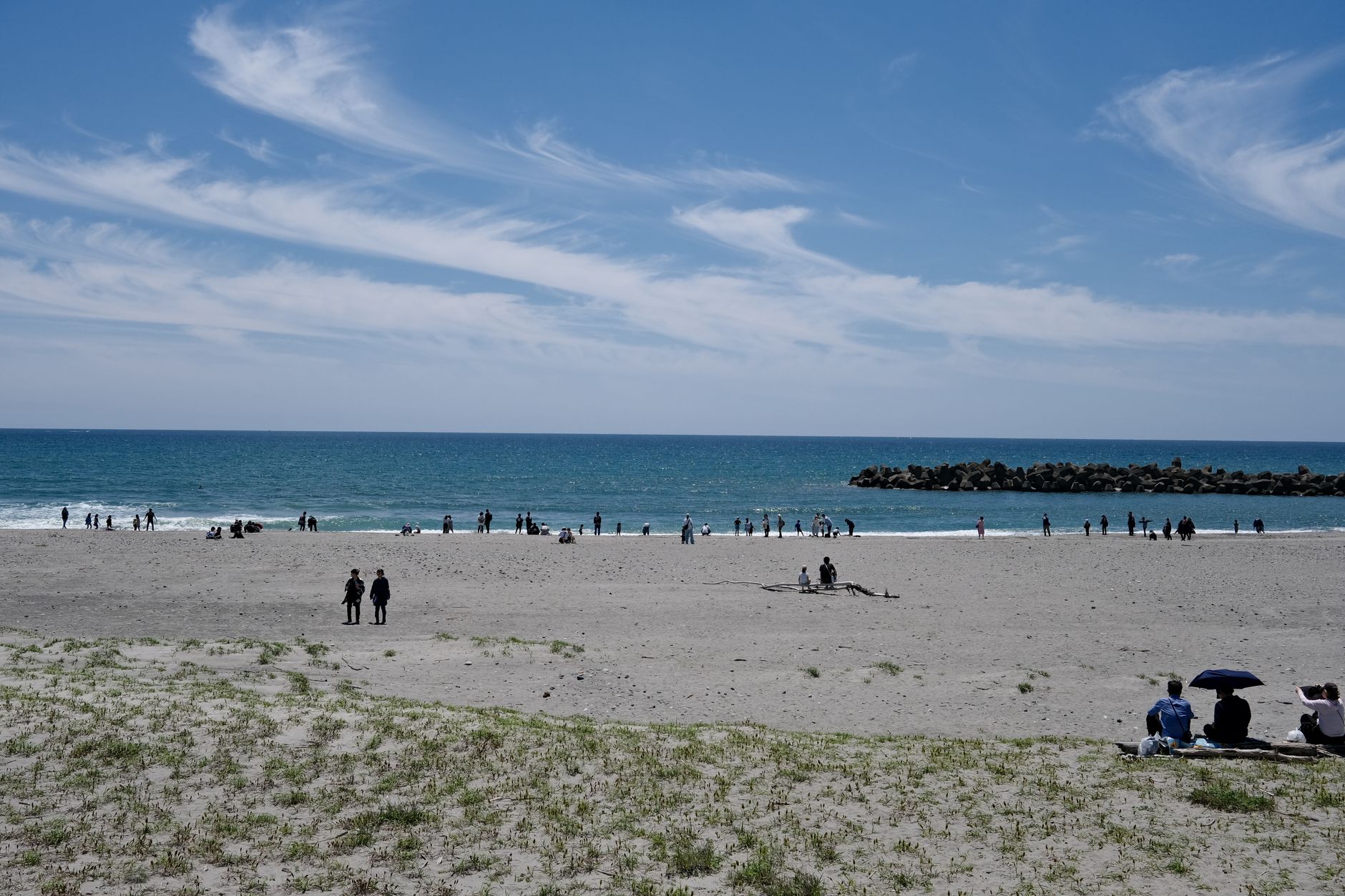
Coastal areas, including Okinawa and Kamakura, are perfect spots for casual beach attire. Wearing shorts at beach resorts is common and generally accepted, though it’s best to cover up when dining at nearby restaurants.
Sightseeing in Urban Areas
When traversing urban landscapes, wearing shorts can be comfortable. While exploring temples and gardens, remember to pack a light shawl or long scarf to cover up if necessary.
Tips for Wearing Shorts in Japan
Here are some practical tips to ensure your short-wearing experience in Japan is comfortable and culturally respectful:
- Choose the Right Style: Opt for tailored shorts or casual styles that look presentable. Steer clear of overly baggy or worn-out designs.
- Pair with Modest Tops: Balancing your look with a modest top can create a well-rounded outfit while respecting local culture.
- Accessorize Wisely: Use accessories like hats and sunglasses to enhance your look, but avoid any that may be considered too flashy or informal.
- Stay Hydrated and Cool: Sunshine and high humidity can affect your comfort levels. Lightweight, moisture-wicking fabrics can keep you cool.
- Be Mindful of Your Surroundings: Always gauge the atmosphere of the area. If you notice formal dress in places of worship or traditional districts, make adjustments accordingly.
- Prepare for Changing Weather: Carry a light jacket or wrap, especially during transitional seasons when temperatures fluctuate.
Shopping for Shorts in Japan
If you’ve forgotten to pack shorts or want to shop while in Japan, you’ll find various options, from trendy boutiques to large department stores.
Where to Buy
You can find clothing stores in most major cities, including:
- Department stores like Takashimaya and Isetan
- International brands such as Uniqlo and H&M, which offer stylish and affordable options
- Local boutiques in areas like Shibuya and Harajuku, perfect for picking up unique pieces
Pricing Considerations
While shopping, expect varying price ranges based on the brand and location. Popular chains like Uniqlo offer relatively affordable prices, while high-end boutiques can be significantly pricier. Always budget appropriately before shopping.
Traveling with Shorts: Additional Considerations
When packing for your trip to Japan, it’s vital to consider how wearing shorts can impact your overall travel experience.
Versatility and Functionality
Shorts are versatile and can be packed in various vacation itineraries. Pair them with flip-flops for the beach or stylish sandals for a city tour. Ensure they fit well within your travel budget and activities planned.
Transportation and Accessibility
Public transportation in Japan is efficient and widely used. If you’re wearing shorts, consider cleanliness, especially during peak season. Carry a light travel towel to keep cool on crowded trains.
Health and Safety
If you’re engaged in outdoor activities like hiking or exploring rural areas, wearing shorts can enhance comfort. For hikes, however, ensure that you wear sturdy footwear and be mindful of exposed skin against sun and insects.
Conclusion
In summary, wearing shorts in Japan is generally acceptable, particularly during warmer months and in casual environments. Understanding local customs and the appropriateness of your attire depending on the context is critical. By considering these tips, you can enjoy your travels while respecting Japanese culture.
As you plan your trip, consider exploring related guides that can enhance your experience in Japan, such as how much to travel to Japan or the timing of the cherry blossom season.