
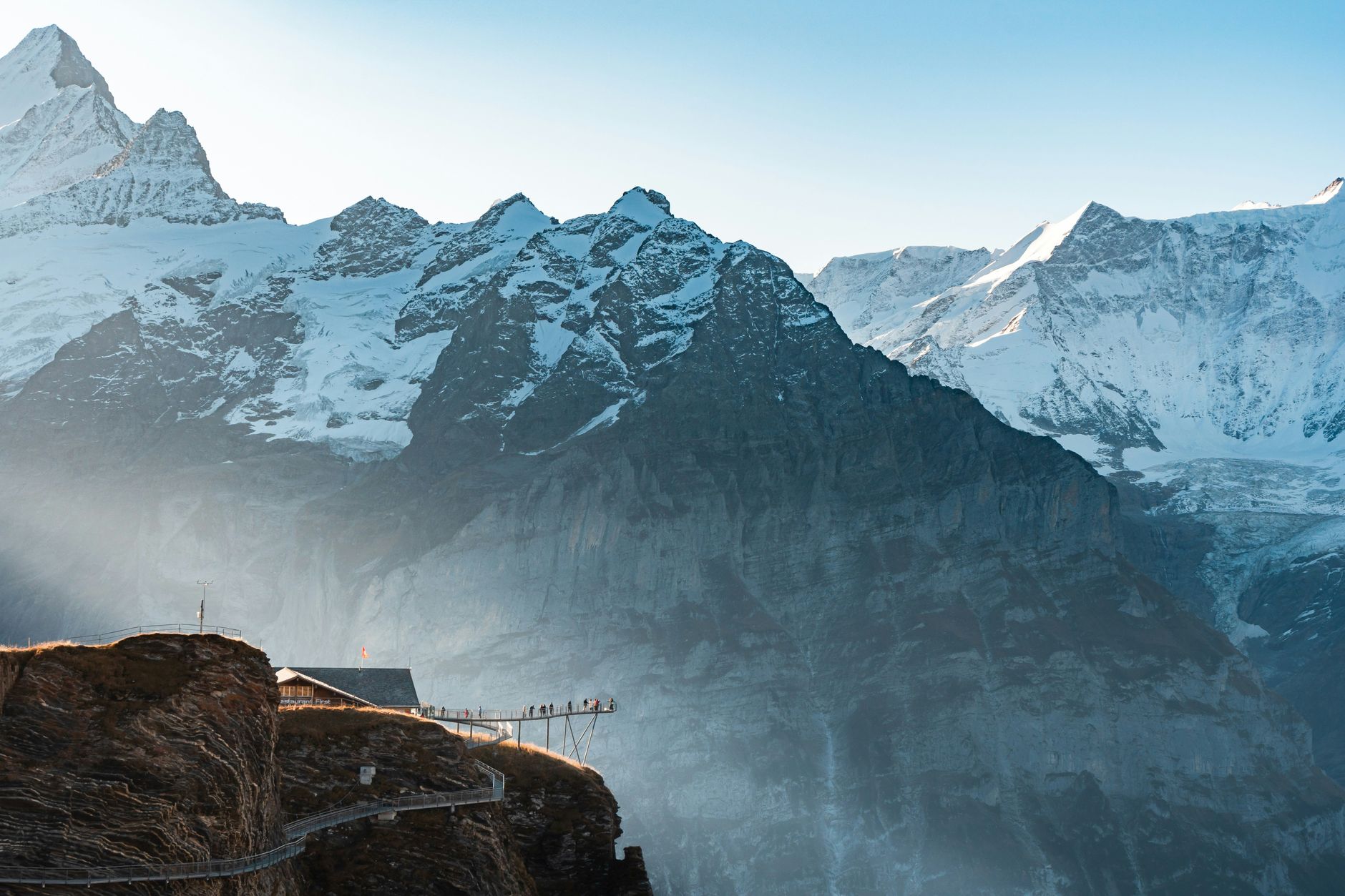
Switzerland, known for its stunning landscapes, charming towns, and rich cultural heritage, attracts travelers year-round. However, understanding when to visit can enhance your experience and help you avoid crowds or harsh weather conditions.
This guide explores the best times to go to Switzerland based on diverse interests, seasonal variations, and practical travel considerations.
When is the Best Time to Visit Switzerland?
The best time to visit Switzerland largely depends on your preferences. For warm weather and outdoor activities, late spring to early autumn is ideal. If you’re a winter sports enthusiast, plan your trip between December and March.
Spring (March to May) offers mild weather and blooming flowers, suitable for hiking lovers. In contrast, summer (June to August) provides long days for outdoor pursuits. Autumn (September to November) is perfect for scenic drives and enjoying the fall foliage. When winter arrives, the ski resorts come alive, attracting winter sports aficionados.
Understanding Seasonal Trade-offs
Each season in Switzerland presents unique advantages and disadvantages, influencing both your travel experience and potential costs.
Spring: March to May
Spring is a favorable time for travelers who wish to escape the summer crowds. Early in the season, you will find cooler temperatures and occasional snow in higher altitudes, but as May approaches, the landscape blossoms into vivid colors.
- Benefits: Fewer tourists, spring festivals, beautiful wildflowers in the Swiss Alps.
- Drawbacks: Unpredictable weather; higher elevations might still have snow.
Summer: June to August
Summer is peak season in Switzerland, attracting visitors to its breathtaking landscapes. This is the best time for hiking, mountain biking, and enjoying numerous festivals.
- Benefits: Warm weather, long daylight hours, vibrant local festivals, and easy access to outdoor activities.
- Drawbacks: Crowded tourist areas and higher accommodation prices.
Autumn: September to November
Autumn offers picturesque scenery with changing leaf colors and mild weather. It’s an excellent time for scenic drives and outdoor experiences before the winter chill sets in.
- Benefits: Fewer tourists, lower prices on accommodation, stunning fall colors.
- Drawbacks: Shorter days and potential rain.
Winter: December to February
Winter transforms Switzerland into a snowy wonderland, perfect for skiing, snowboarding, and cozy alpine experiences. While the ski resorts buzz with energy, cities illuminate with festive decorations for the holiday season.
- Benefits: World-class skiing, winter sports, charming Christmas markets.
- Drawbacks: Cold temperatures, cramped accommodation options during holidays.
Best Areas to Visit by Season
Different regions in Switzerland offer distinct experiences depending on the season. Here’s a seasonal guide to the most appealing areas.
Spring Highlights
- Lucerne: Enjoy boat trips on Lake Lucerne with majestic mountain backdrops.
- Interlaken: Perfect for hiking and adventure sports as flowers bloom.
- Geneva: Witness the blooming flowers in Parc des Bastions and numerous art exhibitions.
Summer Highlights
- Zermatt: Discover hiking trails and enjoy breathtaking views of the Matterhorn.
- Jungfrau Region: An excellent area for hiking, with stunning scenic trains.
- Lake Geneva: Flock to the area for swimming, sailing, and vineyard tours.
Autumn Highlights
- Bern: The Swiss capital offers beautiful fall foliage in its historic Old Town.
- Valais: Enjoy wine tasting in the vineyards under the autumn sun.
- Appenzell: Experience local cheese fairs and enjoy rural traditions.
Winter Highlights
- St. Moritz: A renowned winter sports destination with luxurious amenities.
- Grindelwald: Perfect for skiing and winter hiking activities.
- Zurich: Visit the enchanting Christmas markets and enjoy the festive atmosphere.
Getting There and Around
Switzerland is well-connected to major cities in Europe, making it accessible via planes, trains, and buses. Once in country, the Swiss Travel System provides extensive and efficient public transport options.
Air Travel
Most international travelers arrive through Zurich Airport, which is the largest and has great connections. Geneva and Basel also have international airports, offering further access.
Train Travel
The Swiss train system is one of the best in the world, offering punctual and scenic journeys. Consider purchasing the Swiss Travel Pass for unlimited travel across the country, covering trains, buses, and boats.
Make sure to check schedules through the Swiss Federal Railways (SBB) website for real-time information on connections and travel times.
Public Transport and Car Rentals
Buses operate in more remote areas, complementing train services. For flexibility, renting a car can be beneficial, particularly in mountainous or rural settings.
Keep in mind that driving in winter may require snow tires. Always check local regulations and weather forecasts before embarking on mountain roads.
Accommodation Choices by Region
Switzerland offers a wide range of accommodation, from luxury hotels to cozy mountain lodges and budget hostels. Here’s a breakdown based on some popular areas.
Urban Areas
- Zurich: Hotels on Bahnhofstrasse cater to luxury travelers, offering high-end experiences and convenience.
- Geneva: Accommodation options range from five-star hotels by the lake to more affordable hostels.
- Lausanne: Known for its picturesque location, it features boutique hotels with stunning views.
Mountain Areas
- Zermatt: Offers chalets and luxury hotels, perfect for ski enthusiasts.
- Interlaken: Numerous guest houses and backpacker options cater to adventure seekers.
- Grindelwald: Cute lodges provide ski-in/ski-out access during winter.
Budget-Friendly Options
- Hostels: Typically found in major cities and tourist hubs.
- Campsites: If you are inclined towards nature, Switzerland has beautiful campsites.
- Airbnb: Offers local charm, especially in the countryside or mountain towns.
Practical Travel Considerations
To ensure a smooth trip, consider the following practical planning insights.
Budgeting for Your Trip
Switzerland can be pricey, so budgeting is essential. Here’s a basic breakdown:
- Accommodation: Prices vary substantially; expect to pay around CHF 100 to CHF 300 for a mid-range hotel.
- Food: Restaurants usually charge CHF 20 to CHF 60 per meal. Consider supermarket meals for budget-friendly options.
- Transportation: A Swiss Travel Pass or regional passes can save you money on transportation costs.
Packing Essentials
What to pack may vary by season, but some essentials are handy throughout the year:
- Comfortable walking shoes for exploring towns and nature.
- Weather-appropriate clothing. Layers are encouraged as temperatures can vary significantly.
- A travel umbrella or raincoat for unpredictable spring or autumn weather.
- Sun protection, particularly in mountainous areas even if temperatures are cool.
Accessibility
Switzerland is known for its efficient public transport, making it relatively easy for travelers with mobility challenges. However, reach out to specific venues or accommodations for accessibility details ahead of your visit.
Major cities and train stations generally have facilities for those in need, but planning is key.
Travel Safety Considerations
Switzerland is generally a safe destination for tourists. However, always adhere to travel advisories from authoritative sources. Here are some safety tips:
- Be cautious when hiking; always have a local trail map and check for weather conditions.
- Keep personal belongings secure when in crowded tourist areas.
- Familiarize yourself with local emergency numbers and services.
Realistic Length of Stay
The ideal length of stay in Switzerland depends on your interests and planned activities. A week is a good starting point for covering main attractions like:
- Lucerne and Mount Pilatus
- Zermatt and the Matterhorn
- Interlaken for outdoor activities
- Lake Geneva region for cultural experiences
Longer stays of 10 to 14 days allow for a more leisurely exploration of the country’s diverse offerings, ideal for nature lovers and adventure seekers.
Final Thoughts on Planning Your Swiss Adventure
Switzerland’s seasonal charm, breathtaking landscapes, and vibrant cities make it a compelling travel destination, regardless of when you choose to visit. Take into account weather, activities, and personal interests when planning your journey.
Pack intelligently, secure accommodations in advance, and familiarize yourself with public transport options for an unforgettable experience. Enjoy every moment of your Swiss adventure!
For more information on travel safety in Switzerland, visit How Safe Is Switzerland. If you’re curious about weather conditions in other European destinations, consider reading about What Is the Weather in Italy in December.