
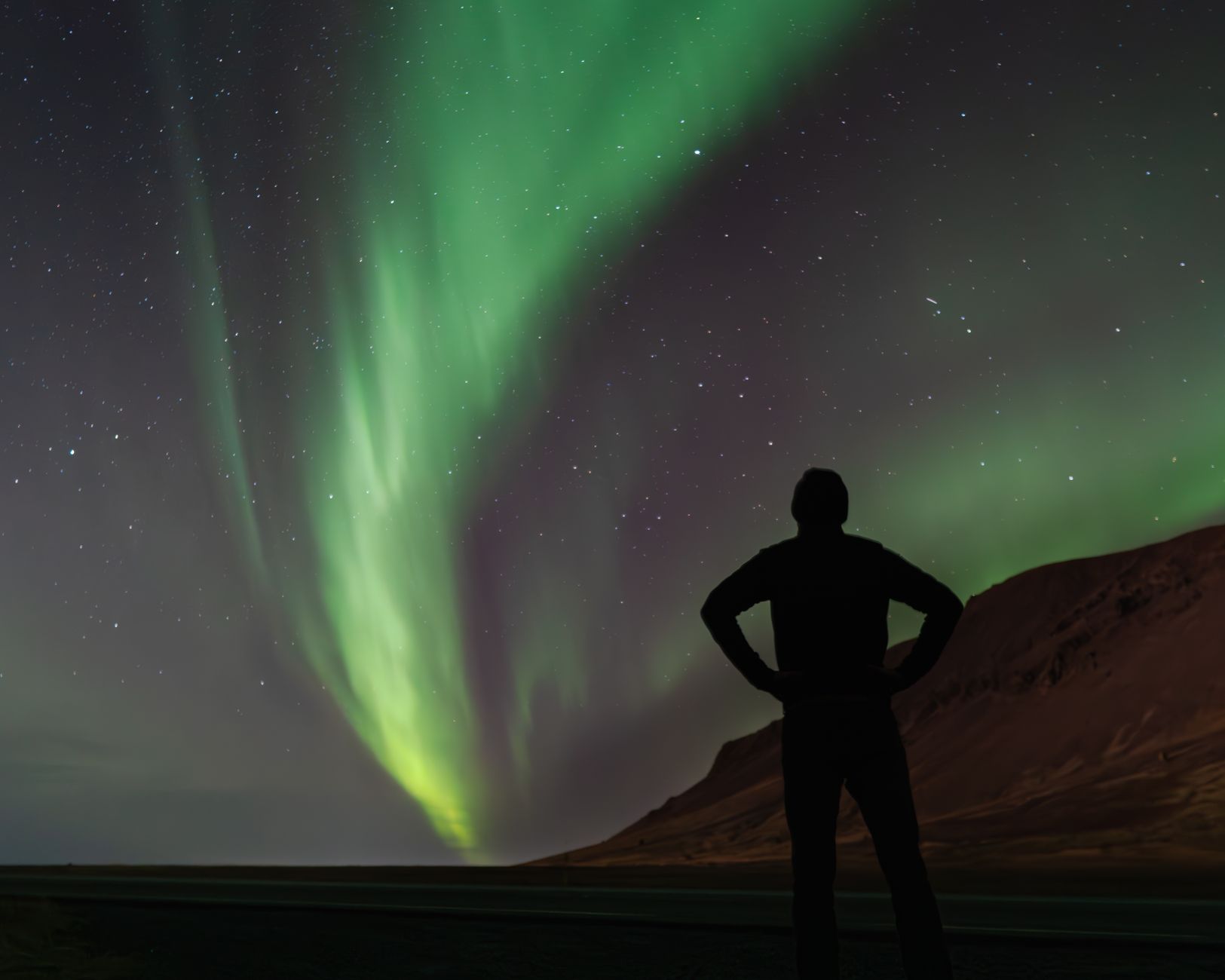
The allure of the Northern Lights, or Aurora Borealis, calls to many travelers, especially those venturing to the enchanting landscapes of Iceland. The dance of vibrant colors across the night sky is a natural phenomenon that captivates witnesses, but timing is crucial. So, can you see the Northern Lights in Iceland in July?
Typically, July is not the ideal time to see the Northern Lights in Iceland. The months of June and July coincide with the Midnight Sun, where the sun tends to linger well past normal sunset hours, making it almost impossible to catch a glimpse of the auroras. Despite this, July still offers plenty to explore, so travelers should know what to expect if they travel during this time.
What Weather Conditions Are Like in July
In July, Iceland experiences mild weather compared to the rest of the year, which makes it a popular month for visiting. Temperatures generally range from 10°C to 15°C (50°F to 59°F), with some sunny days reaching 20°C (68°F). However, don’t be deceived by pleasant days; the weather can shift rapidly and unexpectedly, bringing rain and wind.
The increased daylight hours during this period can also affect visibility for Northern Lights viewing. The sun typically remains up for about 21 hours, making it difficult for the sky to grow dark enough for the auroras to become visible.
Best Time to See the Northern Lights in Iceland
For those specifically looking to witness the Northern Lights, the best time to visit Iceland is during the winter months, specifically from late September to mid-April. This period experiences longer nights and darker skies, which is ideal for observing auroras. In addition to the darkness, winter offers a unique landscape covered in snow, providing a stunning backdrop for viewing the lights.
Peak aurora activity occurs when the k-index, which measures the geomagnetic activity, is high. Travelers should also consult solar forecast reports to plan their viewing during nights of high solar activity.
Alternative Activities in Iceland in July
While July may not be suitable for catching the Northern Lights, the month has its share of attractions and activities that make it an exciting time to visit Iceland, including:
- Golden Circle Tour: Explore popular attractions like Þingvellir National Park, Geysir geothermal area, and Gullfoss waterfall.
- Explore Iceland’s Unique Geology: Visit lava fields, volcanic craters, and hot springs, such as the famous Blue Lagoon.
- Hiking Adventures: Take advantage of the pleasant weather to hike trails like those in the Landmannalaugar region or the Laugavegur trail.
- Wildlife Watching: July is an excellent time for whale watching, particularly off the coast of Reykjavik or in the North.
- Birdwatching: Visit coastal cliffs to observe various seabirds, including puffins, which nest in Iceland during summer.
Transportation Options in Iceland
Getting around Iceland is relatively easy, although rental cars are the most flexible option. Visitors can also utilize guided tours or bus services. Here are some transportation options to consider:
Renting a Car
A rental car provides the freedom to explore Iceland at your own pace. It is advisable to book in advance, particularly in peak summer months. Keep in mind that some roads might be closed due to weather conditions, so always check local advisories.
Bus Services
Reykjavik offers a reliable bus service connecting the capital to other regions of Iceland. Local tour operators also provide bus transport for popular routes within and around the Golden Circle.
Guided Tours
Consider joining guided tours for popular attractions or activities like glacier walking, snowmobiling, or Northern Lights hunting during the winter months. Many operators adjust their schedules based on seasonal activities.
Where to Stay in Iceland in July
Choosing the right accommodation can enhance your travel experience. Here are some options based on different traveler needs:
Reykjavik
The capital city boasts a wide range of accommodations from luxury hotels to budget hostels. Staying here provides easy access to transportation, dining, and attractions.
Golden Circle
Consider staying in the vicinity of the Golden Circle for a more immersive experience. Many charming guesthouses and hotels are scattered around, providing access to natural wonders like geysers and waterfalls.
Húsavík
For those wanting to focus on whale watching, consider accommodations in Húsavík. This picturesque town is known as the whale watching capital of Iceland.
Budget Considerations for July Travel
Traveling in Iceland can be expensive, but careful planning can help manage costs. Here are some budgeting tips:
- Accommodation: Book in advance to secure better rates, especially in popular locations.
- Dining: Eating out can be costly, so consider shopping at grocery stores and preparing some meals yourself.
- Activities: While popular tours may be pricey, many natural landmarks can be explored for free or at a low cost.
- Transportation: Compare rental car rates with bus services to find the most economical option for your itinerary.
Practical Packing Tips for Iceland in July
Visiting Iceland in July may seem easy packing-wise, but it’s essential to prepare adequately for varying weather conditions. Here’s a practical packing list:
- Waterproof jacket and pants
- Warm layers (sweaters, thermal wear)
- Comfortable hiking shoes
- Sunscreen and sunglasses for long daylight
- Reusable water bottle
- Power adapters and portable chargers
Tips for Planning Your Trip to Iceland in July
Successful planning can make your trip to Iceland enjoyable, even without the Northern Lights. Consider the following tips:
- Book flights and accommodations early to secure the best prices.
- Research local events or festivals that occur in July for a unique experience.
- Check local weather reports and be prepared for changing conditions.
- Download travel apps ahead of your trip for navigation and local information.
Safety Considerations in Iceland
Iceland is generally a safe destination, but travelers should be aware of natural hazards. Be cautious when exploring remote areas and always heed local guidelines. If engaging in outdoor activities, ensure you are adequately prepared with the right gear and knowledge of the terrain.
Final Thoughts on Northern Lights Travel in July
While July is not conducive for viewing the Northern Lights in Iceland, it offers many other attractions perfect for outdoor enthusiasts and explorers. Visitors can marvel at Iceland’s stunning national parks, engage in thrilling activities, and soak in geothermal spas. For those determined to see the auroras, planning a trip during the winter months can allow for the magic of the Northern Lights to be experienced among the beauty of Iceland.
If you’re keen on Northern Lights details, check out how often you can see the Northern Lights in Iceland. And for colder months, be prepared with our guide on what to wear in Iceland in December, ensuring you stay warm and comfortable for your adventures.