
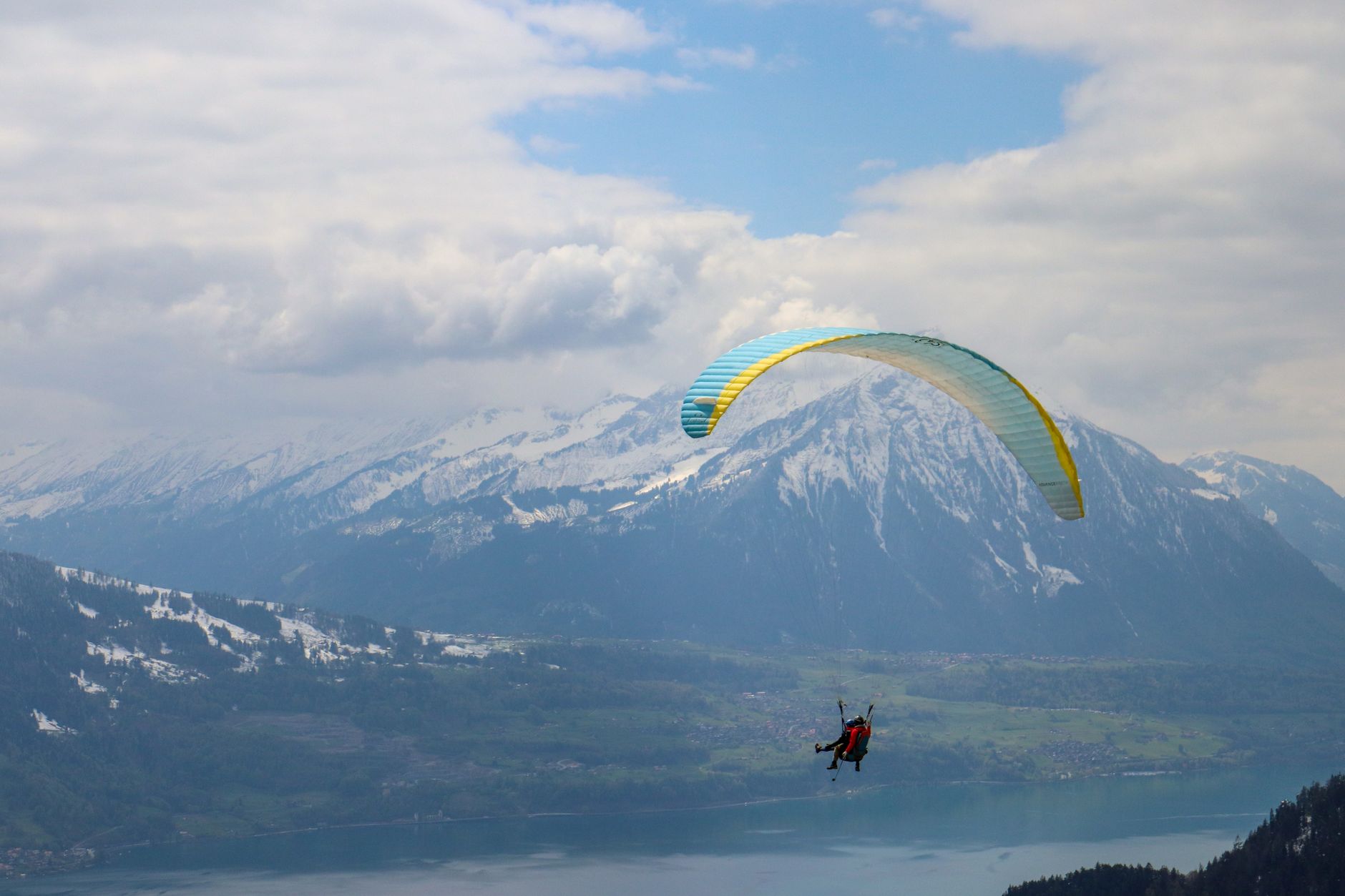
Skydiving is an exhilarating adventure that offers a unique perspective of the world from a breathtaking height. But before you take the plunge, understanding the costs involved is crucial. From training to gear rental and tandem jumps, knowing how much skydiving costs helps you budget effectively for your skydiving experience.
This comprehensive guide breaks down the various costs associated with skydiving, as well as providing practical tips and considerations to help you plan your skydiving adventure.
How Much Does Skydiving Cost?
The cost of skydiving can vary widely based on several factors, including location, type of jump, and additional services. Generally, you can expect to pay between $200 and $400 for a tandem jump, while advanced training and solo jumps can range from $1,500 to more than $3,000.
The Different Types of Skydiving Costs
Tandem Skydiving
Tandem skydiving is the most common way to experience jumping from an airplane for the first time. Here, you are securely harnessed to a certified instructor who guides you through the jump. The cost of tandem skydiving typically includes:
- The Jump: The base price for tandem skydiving usually falls between $200 and $400, depending on the location and the skydiving center.
- Video/Photo Package: If you want to capture the moment, many centers offer photo or video services, which may cost an additional $100 to $200.
- Gear Rental: In tandem jumps, all necessary gear is usually included in the jump price.
Solo Skydiving
If you plan to skydive solo, your expenses will be higher. The costs may include:
- Training Course: Before jumping solo, you must complete a training course, which can cost between $1,500 and $3,000. This typically includes ground school and a specific number of jumps with an instructor.
- Jump Tickets: Once trained, each jump ticket may cost anywhere from $20 to $40.
- Gear Purchase: While some centers offer rentals, purchasing your gear can significantly increase your costs. A complete skydiving gear setup can range from $2,000 to $10,000.
Additional Costs
Alongside the basic costs of jumping, there are other expenses you might want to consider:
- Travel Expenses: If you are traveling to a specific skydiving destination, factor in the cost of flights, accommodations, and local transportation.
- Health Insurance: Some companies may require proof of health insurance that covers skydiving, and you should check if your current policy includes extreme sports.
- Special Events or Discounts: Look out for deals or special events, which can sometimes lower the total price.
Factors Influencing Skydiving Costs
Several factors can affect the price of skydiving, making it essential to consider these when planning your jump.
Location
Prices vary significantly depending on where you skydive. Popular locations with beautiful views might charge higher rates due to demand. Urban centers may have higher prices than rural areas, so consider researching different locations.
Time of Year
Some skydiving centers may offer discounts during off-peak seasons. Conversely, weekends and holidays might see an increase in prices due to higher demand.
Experience Level
First-time jumpers typically pay more for tandem jumps and training classes. However, experienced skydivers may find bulk pricing or memberships in some areas that can save money.
How to Budget for Skydiving
To effectively budget for skydiving, consider these practical tips:
- Set a Budget: Determine how much you are willing to spend on the entire experience, including potential travel costs.
- Research Different Centers: Compare prices, services, and reviews from various skydiving centers to find the best fit for your budget and preferences.
- Look for Discounts: Keep an eye out for seasonal discounts or special offers from skydiving operators.
- Consider Group Packages: Some centers offer discounts for groups, bringing the cost down for friends or family members joining you.
Other Costs to Consider
There are some lesser-known costs associated with skydiving that you might want to prepare for.
Travel and Accommodation
If you choose to skydive away from home, factor in travel expenses. Research nearby accommodations and their prices, as staying close to the skydiving center can save time and money.
Weather-Related Cancellations
Weather can greatly affect your plans. Cancellation policies vary by skydiving company, so read the terms. Some may offer refunds or rescheduling options in case of bad weather, while others may not.
Gear Upgrades
If you choose to pursue skydiving as a hobby, remember that you may need to invest in personal gear over time. Although upfront costs are high, owning personal equipment can ultimately save money in the long run.
Choosing a Skydiving Center
When selecting a skydiving center, prioritize your safety and comfort. Consider these critical aspects:
Reputation and Experience
Look for a skydiving center with a solid reputation and experienced staff. Customer reviews and ratings can provide insight into their safety record and overall service quality.
Safety Practices
Ask about the safety measures and equipment check protocols in place. Centers should follow strict safety guidelines to ensure that all equipment is well-maintained and that instructors are properly trained.
Instructor Qualifications
Verify the qualifications of instructors. They should be certified by recognized bodies, and you may inquire about their experience level and number of jumps conducted.
Facility Amenities
Consider the facilities available at the skydiving center. Look for comfortable waiting areas, well-maintained restrooms, and clear communication regarding jump procedures.
Preparing for Your First Jump
Preparation plays a crucial role in ensuring a smooth experience. Follow these tips:
Dress Appropriately
Wear comfortable clothing that allows for easy movement. Avoid loose-fitting items that may flap during the jump. Closed-toed shoes are typically recommended.
Arrive Early
Plan to arrive at the skydiving center well before your scheduled jump to complete any required paperwork and attend the safety briefing.
Practice Safety Protocols
Listen attentively during pre-jump instruction, and don’t hesitate to ask questions if something is unclear. Familiarizing yourself with standard procedures ensures a safer jump.
What to Expect During Your Skydive
Understanding the skydiving process can ease any nervousness you may have. Here’s a brief overview:
Ground Training
Before the jump, you will participate in ground training, which typically lasts around 30 minutes to an hour, depending on whether you’re doing a tandem or solo jump.
Climbing to Altitude
As you ascend, you will receive final instructions from your instructor, and the anticipation builds. This portion usually takes around 10 to 15 minutes to reach the jumping altitude, typically around 10,000 to 15,000 feet.
The Jump
Once at altitude, you will exit the aircraft. The initial free fall lasts about 30 to 60 seconds, providing an adrenaline-pumping experience. Parachute deployment occurs at around 5,000 feet, allowing you to enjoy a slower, scenic descent.
Landing
Your instructor will guide you in landing, aiming for a designated area. A successful landing results in a feeling of accomplishment and exhilaration!
Skydiving and Health Considerations
It’s important to consider your health and fitness level before deciding to skydive. Here are key points to keep in mind:
Health Restrictions
Many skydiving centers have specific health restrictions. Common conditions that may prevent you from jumping include severe anxiety, heart conditions, or recent surgeries. Always consult your doctor if you’re unsure about your fitness for skydiving.
Weight Limits
Most centers have weight restrictions, typically ranging from 220 to 250 pounds, depending on the equipment and instructors available. Be sure to check these limits before booking your jump.
Insurance Considerations
Check with your insurance provider to see if your plan covers skydiving. Some operators may require skydivers to have insurance that specifically includes extreme sports.
When is the Best Time to Skydive?
The ideal time for skydiving depends on your location and preferences. Generally, spring and fall are excellent seasons for skydiving in many regions due to favorable weather conditions. Be aware of the following considerations:
Weather Conditions
Weather plays a critical role in determining the viability of your jump. Clear, sunny days with low winds are generally the best for skydiving. Be prepared for potential delays or cancellations due to adverse weather conditions.
Local Events
Check for any local events or festivals that may coincide with your planned jump. Large events can increase the demand for skydiving, so plan accordingly to avoid waiting or increased costs.
Final Thoughts on Skydiving Costs
Skydiving is an unforgettable experience with varying costs based on the type of jump, location, and personal preferences. By understanding the factors influencing skydiving expenses and budgeting effectively, you can ensure a successful and memorable skydiving adventure. Take the time to research different skydiving locations and centers, and consider your readiness to commit to such an intense experience.
When planning, remember to consider all the aspects discussed to make the most of your skydiving experience. Whether it’s your first jump or a repeat adventure, approach it with excitement and readiness.
If you’re considering other travel experiences, delve into curated guides such as how much to travel to Japan or explore how expensive it is to go to the Maldives. Each provides valuable insights for planning your next trip.