
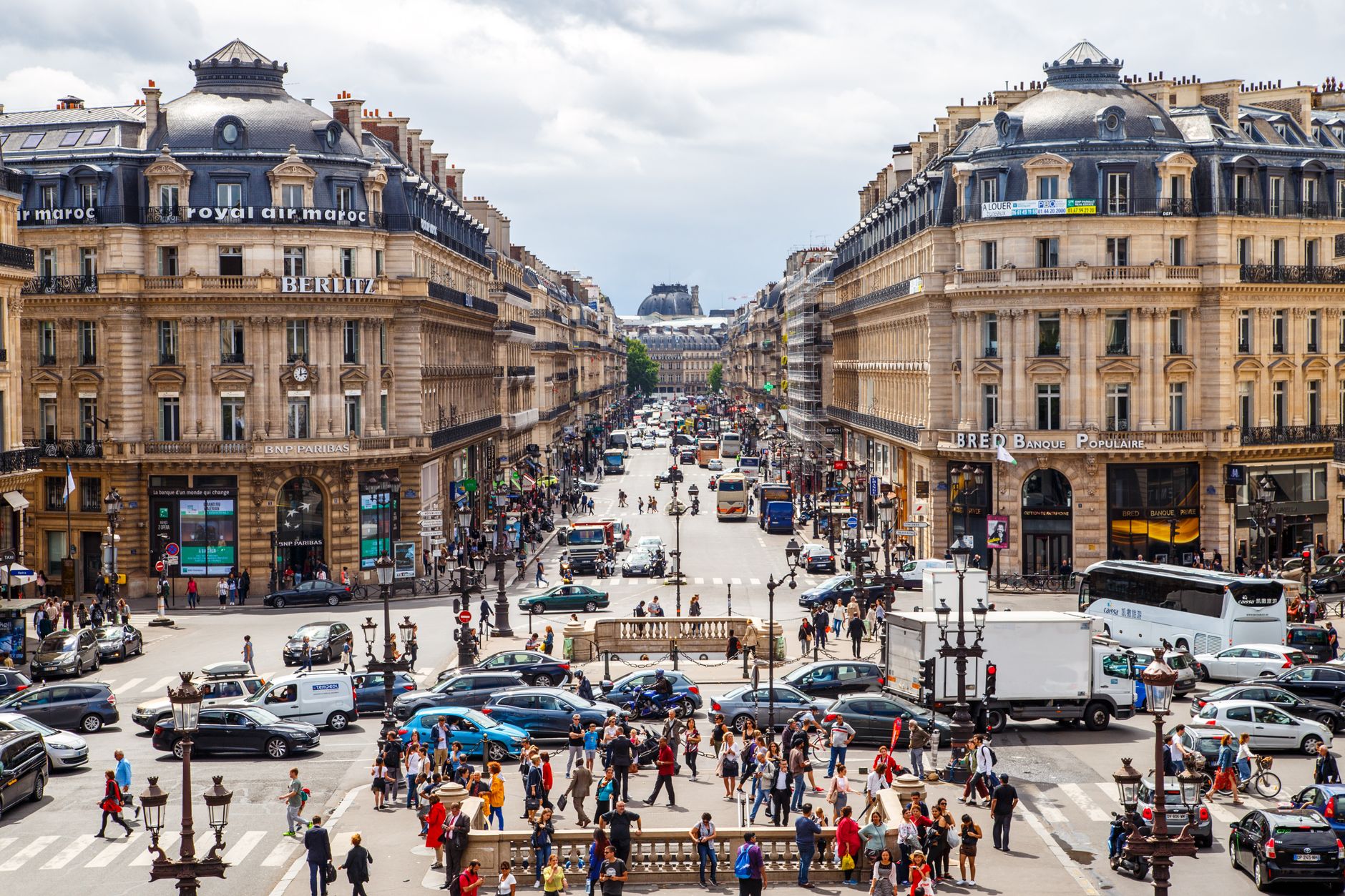
Atlanta, Georgia, known for its rich history, diverse culture, and burgeoning food scene, is also notorious for its traffic woes. With a metropolitan area that is home to over six million people, navigating the city’s roadways can be a challenge, especially during peak hours. Understanding how bad Atlanta traffic can be is crucial for efficient travel planning.
This article delves into the various aspects of Atlanta’s traffic landscape, providing practical insights for visitors aiming to make the most of their time in the city while minimizing time spent stuck in congestion.
How Bad Is Atlanta Traffic?
Atlanta traffic is considered some of the worst in the United States, characterized by frequent congestion, prolonged delays, and a notable lack of efficient public transportation. The city’s layout, combined with high vehicle ownership, contributes to these challenges.
Understanding Atlanta’s Traffic Patterns
To navigate Atlanta traffic effectively, it’s important to understand its unique patterns and contributing factors. Several aspects influence traffic flow, including.
Urban Development and Road Infrastructure
Atlanta’s rapid urban development has outpaced its transportation infrastructure. Many main arteries are designed for higher capacity but can become clogged during rush hour.
Peak Traffic Hours
- Morning Rush Hour: Approximately 7:00 AM to 9:00 AM
- Evening Rush Hour: Approximately 4:00 PM to 6:00 PM
During these hours, major highways like Interstate 285 and Interstate 75 see significant traffic, often resulting in crawl speeds.
Weather Conditions
Rain or inclement weather can exacerbate traffic conditions. Atlanta drivers are not generally accustomed to heavy rain, so even a light rainfall can lead to delays and accidents.
Key Routes and Their Traffic Behavior
In understanding Atlanta’s traffic, it is essential to know the key routes troublesome for drivers.
Interstate 285 (The Perimeter)
This is Atlanta’s main beltway, connecting various suburbs to the city center. Despite its purpose, I-285 can become incredibly congested, especially near junctions and during rush hours.
Interstate 75 and Interstate 85
These interstates converge in downtown Atlanta and are critical for commuters from the north and south. Expect slowdowns during peak times, particularly in the downtown area.
Georgia State Route 400
This highway provides quick access from the northern suburbs into downtown. However, it frequently experiences delays, particularly during morning commutes.
Public Transportation in Atlanta
Although traffic is a major concern, public transportation is available, primarily through the Metropolitan Atlanta Rapid Transit Authority (MARTA). Here’s how it compares to driving.
MARTA Overview
MARTA offers a combination of rail and bus service, providing access across the city and surrounding areas. While it makes commuting easier, it may not reach every destination directly.
Proximity and Convenience
- Pro: Avoids driving in congested areas.
- Con: Less flexible than personal vehicles, particularly for those visiting Atlanta for a short time.
Train Routes
The rail lines primarily serve popular destinations like the Hartsfield-Jackson Atlanta International Airport, downtown, and the Buckhead area. These trains can be a more convenient way to avoid traffic.
Tips for Navigating Atlanta Traffic
To make the best of your travels in Atlanta, consider these practical traffic navigation tips.
Plan Your Journey
Use navigation apps like Google Maps or Waze for real-time traffic updates. These tools provide alternative routes to avoid congestion.
Off-Peak Travel
If possible, schedule travel outside rush hours. Early mornings or late evenings tend to be less congested and more pleasant for driving.
Utilize Public Transport for Short Distances
For shorter urban commutes, opt for MARTA, rideshares, or even walking when possible. This can eliminate the stress of parking and navigating crowded roads.
Alternative Modes of Transportation
Consider some alternative travel options to mitigate traffic stress while exploring Atlanta.
Ridesharing
Services like Uber and Lyft are widely available throughout the city, providing a hassle-free way of getting around without the congestion stress.
Biking and Scooters
Atlanta has a growing network of bike lanes and a bike-share program. Electric scooters are also available and can be a fun way to travel short distances.
Common Mistakes to Avoid
A few common pitfalls could easily be avoided to streamline your travel in Atlanta.
Underestimating Travel Time
Always allow extra time for travel, especially in unfamiliar areas. Traffic can change unexpectedly, leading to delays.
Ignoring Local Traffic Laws
Familiarize yourself with Atlanta’s traffic laws and signage; this will prevent potential fines and increase safety on the roads.
Peak Season Considerations
Traffic can be more severe during certain times of the year, typically coinciding with major events.
Summer and Major Festivals
Events such as the Atlanta Jazz Festival or Dragon Con attract large crowds, increasing traffic. It’s crucial to plan ahead during these periods.
Local Events and Their Traffic Impact
Atlanta hosts numerous events throughout the year that can significantly affect traffic.
Sports Events
Home to professional teams like the Atlanta Braves, Atlanta Hawks, and Atlanta Falcons, game days often lead to increased traffic congestion around stadiums.
Conventions and Conferences
The Georgia World Congress Center hosts many conventions, which can draw thousands of attendees and cause notable congestion, especially in the downtown area.
Staying Safe on Atlanta Roads
No matter how you choose to navigate the city, safety should always be a priority.
Driving Safety Tips
- Always wear your seatbelt.
- Be mindful of local drivers who may not anticipate heavy traffic behavior.
Emergency Preparedness
Ensure your phone is charged, have a copy of local emergency numbers, and keep a basic emergency kit in your vehicle.
Parking in Atlanta
Finding parking can be another challenge, particularly in busy districts. Here’s what you need to know.
Types of Parking
- Street Parking: Pay attention to parking signs and meters to avoid fines.
- Parking Decks and Lots: More common in busy areas and generally offer a fixed rate depending on time.
Tips for Parking
Always check the cost of parking before you leave your car. Reservations can sometimes be made in advance through various apps, allowing for peace of mind.
Conclusion
Atlanta’s traffic can be challenging, but with careful planning and knowledge of local routes and conditions, visitors can navigate its streets with greater ease. Always aim to travel during off-peak hours, consider public transportation, and stay informed about local events that could affect traffic flow.
For more insights, be sure to explore related destination guides and travel-planning articles to enhance your trip: Does Uber Pay for Gas? and What Does a Red and White Triangular Sign Mean?.