
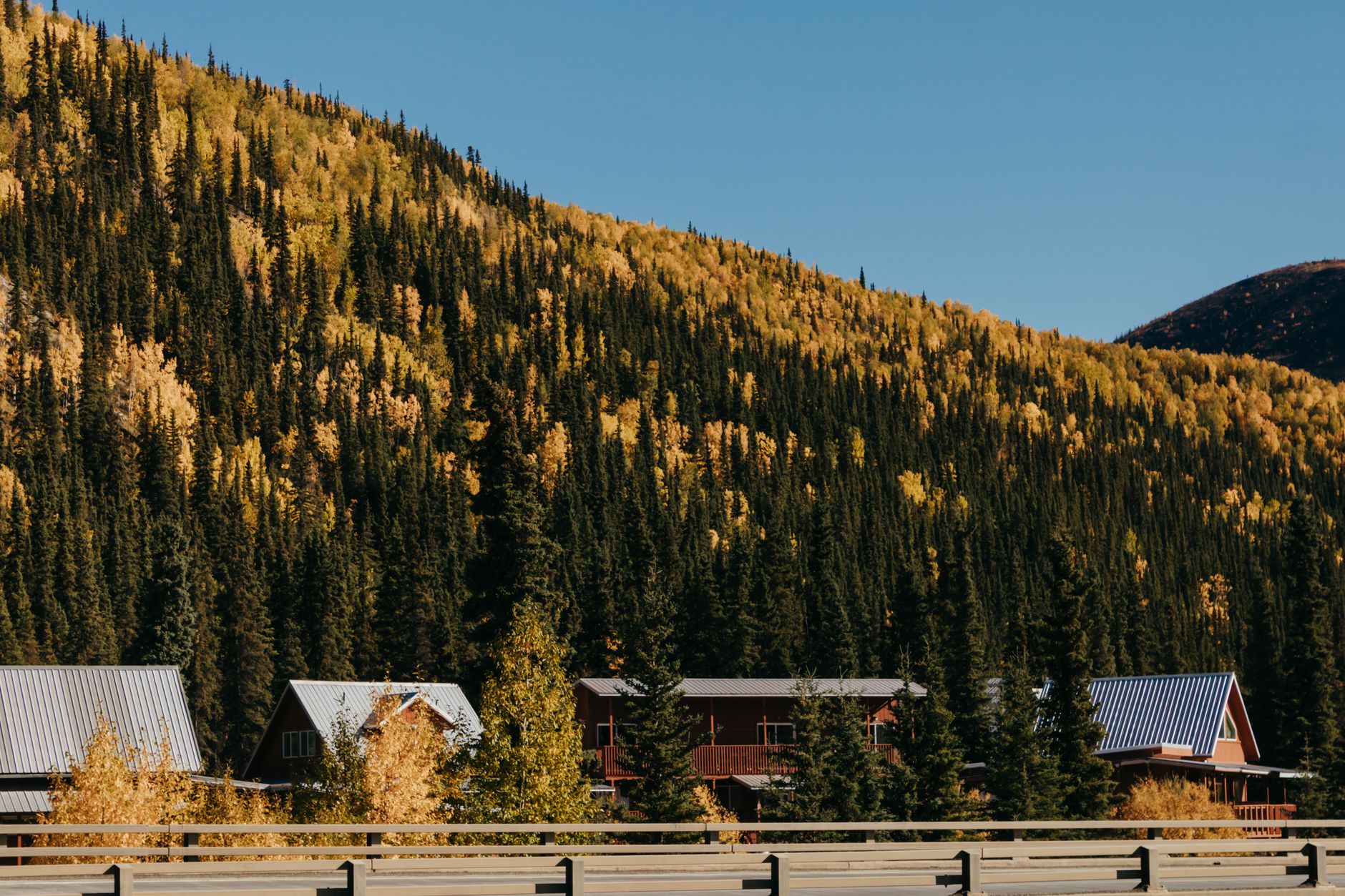
September is a transitional month in Alaska, marking the shift from summer into autumn. This period offers travelers a unique glimpse of the natural beauty of Alaska, with vibrant fall colors and a chance to experience the last bit of warmth before winter sets in. To better prepare for a trip during this time, it’s important to understand what the weather is like in Alaska in September.
The weather in September can vary significantly depending on the region of Alaska you visit. From the temperate coastal areas to the colder interior regions, knowing what to expect will be beneficial for planning your activities and wardrobe. This article will guide you through everything you need to know about Alaska’s weather in September, helping to ensure a smooth trip.
What Is The Weather Like In Alaska In September?
The weather in Alaska during September typically features cooler temperatures, with averages ranging from 40°F to 60°F (4°C to 16°C). Rain is common, especially in southeastern Alaska, while snowfall may occur in the northern parts. It’s a time of vibrant foliage, shorter daylight hours, and variable weather patterns, making it essential to dress in layers and prepare for different conditions.
Temperature Ranges Throughout Alaska
Understanding the varying temperatures in different regions is crucial. Here’s a breakdown of average temperatures you can expect:
- Anchorage: 50°F to 62°F (10°C to 16°C)
- Fairbanks: 40°F to 58°F (4°C to 14°C)
- Juneau: 45°F to 60°F (7°C to 16°C)
- Barrow (Utqiaġvik): 30°F to 40°F (-1°C to 4°C)
- Homer: 45°F to 58°F (7°C to 14°C)
What to Expect in Each Region
Southeast Alaska
Southeast Alaska, including cities like Juneau and Ketchikan, experiences mild temperatures with increased rainfall. Expect daily temperatures around 45°F to 60°F (7°C to 16°C) and consider bringing waterproof clothing. The foliage will begin to display beautiful autumn colors, providing excellent photo opportunities.
Southcentral Alaska
This region includes Anchorage and the Kenai Peninsula. The weather tends to be drier, but temperatures can drop to around 50°F (10°C). It’s a time for beautiful fall hikes, as the landscapes transform into picturesque scenes. Layering your clothing is essential, as the evenings can become quite chilly.
Interior Alaska
Travelers heading to Fairbanks or Denali National Park will encounter cooler conditions. Temperatures can dip to 40°F (4°C) during the day. This area offers stunning views of the Northern Lights, especially as the nights grow longer and clearer.
North Slope and Arctic Regions
Barrow and other Arctic regions experience much colder conditions, with temperatures often below 40°F (4°C). Be prepared for possible snow and strong winds. This area is less visited in September, but it does provide a unique look at the tundra transitioning into winter.
Rainfall and Precipitation
Precipitation varies significantly across Alaska in September. Coastal areas and Southeast Alaska are the wettest, while parts of the interior receive less rainfall. Here are the average rainfall figures:
- Ketchikan: 12 inches (300 mm)
- Juneau: 8 inches (200 mm)
- Anchorage: 3 inches (75 mm)
- Fairbanks: 1.5 inches (38 mm)
Pack waterproof jackets and shoes if you’re planning to explore the southeastern regions. Having an umbrella or a poncho can also be handy. Keep in mind that conditions can change rapidly, so it’s wise to check the local forecast before heading out.
Daylight Hours in September
As September progresses, daylight hours decrease, setting the stage for the longer nights of autumn and winter. At the start of the month, areas like Anchorage enjoy approximately 13-14 hours of daylight. By the end of September, that number drops to around 11 hours. This gradual decrease can affect your outdoor plans, so plan activities accordingly.
- Anchorage: About 13 hours at the start to 11 hours at the end.
- Fairbanks: 14 to 11 hours.
- Juneau: 13 to 11 hours.
Outdoor Activities in September
September is an excellent time to enjoy a variety of outdoor activities in Alaska while experiencing the breathtaking fall colors. Here are some popular activities:
- Hiking: Trails are still accessible, with fall foliage providing stunning backdrops. Some popular options include Flattop Mountain in Anchorage or the trails around Denali National Park.
- Wildlife Viewing: September is a great time to see various species as they prepare for winter. Bears are often spotted fishing for salmon, and migratory birds can be seen as they head south.
- Fishing: Salmon fishing might still be good at the beginning of the month as some species begin to exit rivers. Always check local regulations and season dates.
- Kayaking: The weather is usually suitable for kayaking in sheltered waters, with opportunities to view wildlife and explore coastal areas.
What to Wear in September
Packing for a trip to Alaska in September requires careful consideration of the weather. Here’s a practical packing list to ensure you’re prepared:
- Layers: Start with moisture-wicking base layers, add an insulating layer such as a fleece or down jacket, and top it off with a waterproof outer layer.
- Pants: Quick-dry pants or insulated tights are ideal for comfort and dryness.
- Footwear: Waterproof hiking boots with good traction are essential, along with comfortable socks.
- Accessories: Don’t forget a warm hat, gloves, and a scarf. These items can make a big difference in your comfort level.
- Backpack: A daypack is useful for carrying water, snacks, and additional clothing layers while you explore.
Traveling Around Alaska in September
Getting around Alaska in September can be done via various transportation methods. Here are the most common:
- Rental Cars: A rental is a flexible option, allowing you to explore at your own pace. Be sure to book in advance, as demand may still be high at the beginning of the month.
- Public Transport: In urban areas like Anchorage, public buses are available, but in more remote regions, options can be limited.
- Guided Tours: Consider joining a guided tour for specific activities, such as wildlife viewing or glacier tours, which can provide a knowledgeable perspective.
Health and Safety Considerations
While generally safe, Alaska’s wilderness can pose challenges. Here are some key health and safety tips:
- Wildlife Awareness: Always maintain a safe distance from wildlife and be aware of bear safety rules, especially if hiking in bear country.
- Weather Preparedness: Weather can change rapidly; check forecasts and be ready to adjust plans as necessary.
- Travel Insurance: Consider purchasing travel insurance that includes coverage for cancellations or medical emergencies.
Accommodations in September
Your choice of accommodations can greatly influence your experience in Alaska. Options vary from luxurious hotels to charming cabins. Here’s a look at what to expect:
- Hotels: Larger cities like Anchorage and Fairbanks offer several hotel chains for comfort and amenities.
- Lodges: For a more immersive experience, stay in lodges or cabins which may be situated closer to nature, providing unique views and experiences.
- Camping: There are campgrounds available for those wanting a more rustic experience. Be mindful of temperatures dropping at night.
Budgeting for Your Trip
Planning your budget is crucial for a successful trip. Here’s what you should consider:
- Accommodation Costs: Prices can vary widely based on location, type, and seasonal demand. Budget accommodations start at around $90 per night, while hotels can range from $150 to $300 or more.
- Transportation: Rental cars can average from $50 to $150 a day, depending on the model and rental company.
- Food Expenses: Dining out can be pricey, with meals in restaurants averaging around $15 to $30 per person. Grocery shopping can be a more economical option.
- Activity Costs: Budget for sightseeing tours, excursions, or rentals. Day trips can range from $50 to $200 depending on the activity.
Best Time to Visit Alaska Beyond September
While September is a lovely time to visit, each season in Alaska offers unique attractions. Here’s a brief overview:
- Summer (June to August): Warmest weather, ideal for hiking, fishing, and longer daylight hours.
- Winter (December to February): Perfect for winter sports and viewing the Northern Lights.
- Spring (March to May): A time for fewer crowds, awakening wildlife, and stunning blooming landscapes.
Final Thoughts
September offers a multifaceted experience of Alaska as summer fades and autumn unfolds. The changing weather brings stunning landscapes, exciting outdoor activities, and a more tranquil travel environment. By packing smartly, planning ahead, and being mindful of the weather variations, you can enjoy all that Alaska has to offer during this time. Remember to stay informed about regional forecasts to make the most of your trip.
As you continue to explore travel options, consider checking out related guides, such as what first-class looks like or whether you can see the Northern Lights in Ireland. Each of these resources can enhance your travel planning experience.