
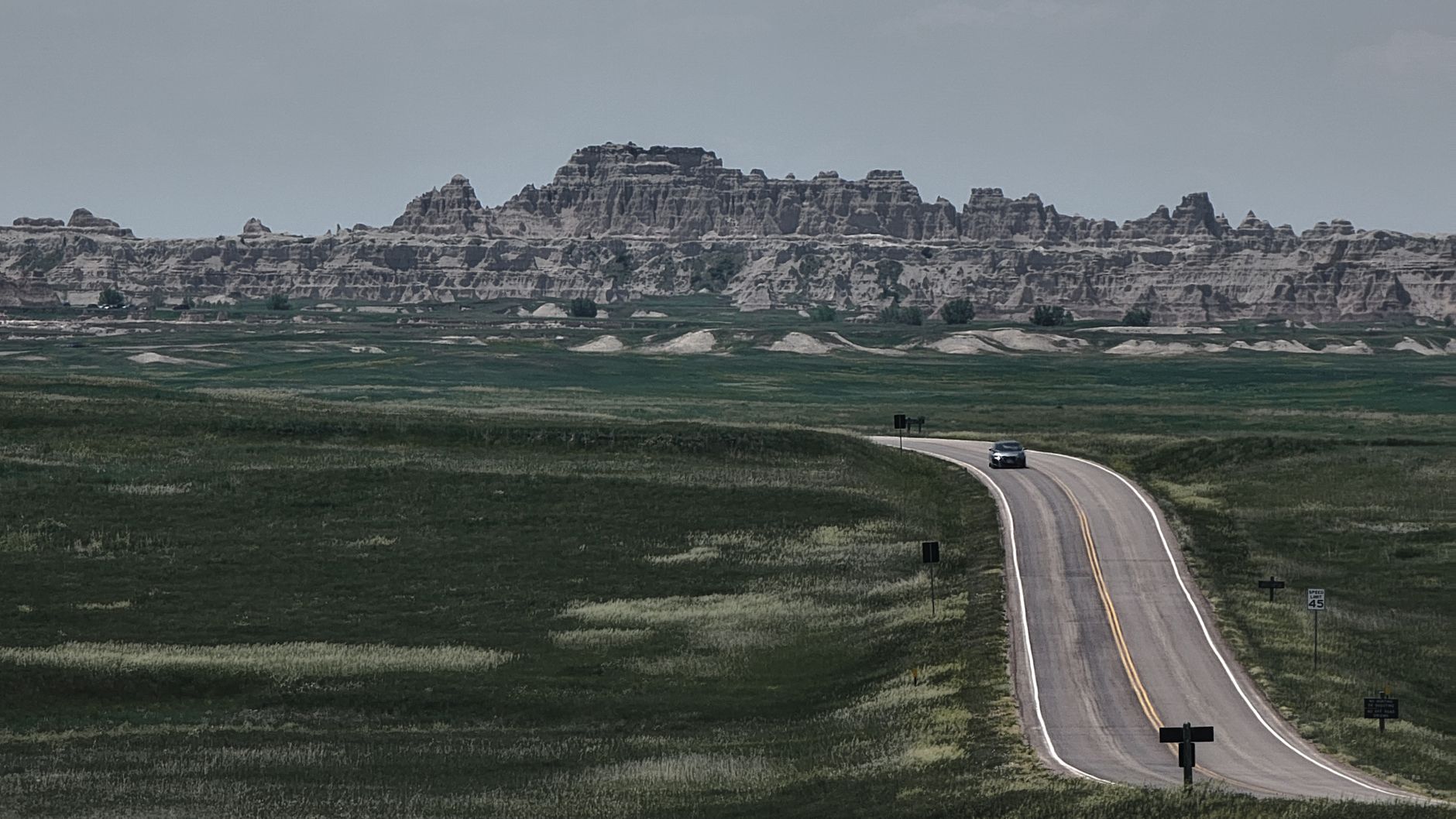
Yellowstone National Park is one of the most iconic natural wonders in the United States, known for its stunning vistas, diverse wildlife, and geothermal features. Driving through Yellowstone offers visitors a unique way to explore its breathtaking landscapes and famous attractions. However, understanding how to navigate the park, what to see along the way, and the best times to visit is crucial for a successful road trip.
This guide will provide essential information on driving through Yellowstone, including route options, key attractions, practical tips, and accommodations to help you plan your visit effectively.
Can You Drive Through Yellowstone?
Yes, you can drive through Yellowstone National Park. The park features a well-maintained road system that connects its major attractions. However, road access may be subject to seasonal closures, weather conditions, and wildlife activity, so it’s important to stay informed about current conditions.
Understanding the Park’s Layout
Yellowstone spans over 3,400 square miles and is home to an extensive network of roads. The Grand Loop Road is the primary route, creating a circular path that connects key attractions. It is about 142 miles long and can be explored in a single day, though a more leisurely pace is recommended to soak in the sights.
Main Entrances
There are five main entrances to Yellowstone, each offering distinct experiences:
- North Entrance (Gardiner, MT): This is the only entrance open year-round, leading visitors to the iconic Roosevelt Arch.
- Northeast Entrance (Cooke City, MT): Popular for access to the Beartooth Highway, this entrance offers stunning mountain views.
- East Entrance (Cody, WY): This entrance provides access from the Cody area and incorporates beautiful scenery.
- South Entrance (Grand Teton National Park): Connects directly to the scenic drives of Grand Teton National Park.
- West Entrance (West Yellowstone, MT): The most popular entrance, providing easy access to attractions like Old Faithful.
Best Time to Drive Through Yellowstone
The best time to visit Yellowstone depends on what you hope to experience. Summer is the peak tourist season, but it comes with larger crowds. Spring and fall offer fewer visitors and beautiful scenery, while winter transforms the park into a snowy wonderland ideal for snowshoeing.
Summer (June to August)
Summer is the most popular time to visit, with temperatures averaging between 70°F and 80°F during the day. Roads are fully open, and all amenities are available. However, crowds can be overwhelming, and parking can be challenging at popular spots.
Fall (September to October)
Fall offers mild weather with fewer visitors, making it an excellent choice for a scenic drive. Wildlife is active during this season, as animals prepare for winter, and the fall foliage provides beautiful backdrops for photos.
Winter (November to March)
Winter in Yellowstone is serene but requires careful planning. Most roads are closed to regular vehicles, making it ideal for snowmobiling or guided snowshoe tours. The park is less crowded, allowing for solitude amidst stunning snowy landscapes.
Spring (April to May)
Spring is a blooming wonder in Yellowstone as flowers begin to blossom and animals emerge from hibernation. However, some roads may still be closed due to snow, and visitors should check conditions before traveling.
How to Navigate the Park
While driving in Yellowstone is delightful, understanding park rules and safety precautions is crucial. Here are some tips for navigating the park effectively:
- Speed Limits: Maintain a speed limit of 45 mph or lower. Be cautious of wildlife on the roads.
- Wildlife Watching: Always pull over to view wildlife safely. Use designated pullouts and observe from your vehicle as necessary.
- Gas Stations: There are limited gas stations inside the park. Make sure to fuel up before exploring, especially when driving long distances.
- Weather Conditions: Be prepared for rapid weather changes. Check forecasts and road conditions regularly.
Key Attractions Along the Drive
While driving through Yellowstone, you will encounter various must-see attractions. Here’s a list of highlights that shouldn’t be missed:
Old Faithful
Old Faithful Geyser is arguably the park’s most famous feature. It erupts approximately every 90 minutes, shooting boiling water up to 180 feet in the air. A visitor center provides information about the geyser’s eruptions and other geothermal features in the area.
Grand Prismatic Spring
Known for its vibrant colors, the Grand Prismatic Spring is the largest hot spring in the United States. Consider walking the boardwalk for the best views, or take the nearby Fairy Falls trail to see it from above.
Mammoth Hot Springs
Mammoth Hot Springs showcases stunning terraces formed by mineral deposits. Take your time to explore the boardwalks that surround these geothermal formations, which are especially beautiful in the early morning light.
Yellowstone Lake
Yellowstone Lake is the largest high-elevation lake in North America, providing opportunities for fishing, boating, and simply enjoying stunning views. Don’t miss a stop at the Lake Village to grab a bite to eat while soaking in the scenery.
Hayden Valley
For wildlife watching, Hayden Valley is one of the best spots in the park. Early mornings or late afternoons provide opportunities to see bison, elk, and even grizzly bears. Bring your binoculars for the best viewing experience!
Lower Falls of the Yellowstone River
The Lower Falls, part of the impressive Grand Canyon of the Yellowstone, plunges 308 feet into the canyon. Viewing points like Artist Point provide breathtaking views of the falls and the surrounding canyon.
Planning Your Driving Route
Given the size of Yellowstone, planning your driving route in advance can help maximize your experience. Consider dividing the park into sections for a more organized approach. Below is a suggested 3-day itinerary for driving through Yellowstone.
3-Day Itinerary for Driving Through Yellowstone
- Day 1: Northern Loop
- Enter through the North Entrance.
- Visit Mammoth Hot Springs and the historic Fort Yellowstone.
- Stop at the Undine Falls and Tower Falls viewpoints.
- Make your way to the Lamar Valley for wildlife viewing.
- Day 2: Western Loop
- Start early and drive towards the Old Faithful area.
- Visit Old Faithful and take time to explore the Upper Geyser Basin.
- Stop by Biscuit Basin to view colorful thermal features.
- Continue on to Grand Prismatic Spring and Fairy Falls.
- Day 3: Southern Loop
- Drive towards Yellowstone Lake and complete a scenic loop around the lake.
- Stop at the West Thumb Geyser Basin to see geothermal features along the shore.
- Head to the Grand Canyon of the Yellowstone and stop at several viewpoints, including Artist Point and the Lookout.
- Exit via the East Entrance for a beautiful drive through the mountains.
Transportation Options in Yellowstone
While personal vehicles are the most popular way to explore Yellowstone, other transportation options are available:
Bicycles
Biking is allowed on the park roads, providing a unique perspective of the landscape. There are designated bike paths, though cyclists should exercise caution and be aware of vehicle traffic.
Shuttle Services
Some areas in Yellowstone offer shuttle services, particularly in summer, connecting popular destinations without the hassle of parking. This is particularly useful for avoiding crowded areas like Old Faithful.
Where to Stay Near or Within Yellowstone
Deciding where to stay can greatly enhance your Yellowstone experience. Lodging options vary from in-park hotels and campgrounds to nearby towns.
In-Park Lodging
Staying inside Yellowstone allows you to maximize your time in the park. Some popular options include:
- Old Faithful Inn: A historic lodge with rustic charm, located within walking distance of Old Faithful.
- Mammoth Hot Springs Hotel: Set near hot springs and other attractions, it provides comfortable accommodations.
- Lake Yellowstone Hotel: Offering beautiful views of the lake, this hotel combines historic charm with modern amenities.
Camping
If you prefer a more immersive experience, consider camping. Yellowstone has numerous campgrounds, offering a chance for stargazing and experiencing nature up close. Be sure to reserve a spot well in advance, as campsites fill quickly.
Nearby Towns
Staying in towns like West Yellowstone, Gardiner, or Cody offers a range of accommodations and dining options while providing convenient access to the park. These towns have campgrounds, motels, and hotels, as well as essential services like grocery stores and restaurants.
Dining Options Inside and Near Yellowstone
In-Park Dining
In-park dining options include:
- Old Faithful Lodge Cafeteria: A quick dining option serving various food items, perfect for those in a hurry.
- Lamar Valley Snack Bar: Great for grabbing a bite while exploring the valley.
- Lake Yellowstone Hotel Dining Room: A more upscale option with beautiful lake views and diverse menu choices.
Dining Outside the Park
If you’re staying outside the park, towns like West Yellowstone offer a range of dining options, including pizza places, bakeries, and traditional American diners. Consider trying local favorites if you have time!
Budget Considerations for Your Trip
Planning a trip to Yellowstone requires consideration of various costs, including park entrance fees, accommodations, food, and activities.
Park Entrance Fees
As of now, the entrance fee for a private vehicle (up to 15 passengers) is about $35 for a 7-day pass. If planning multiple visits to national parks, consider purchasing an America the Beautiful Pass, which provides access to over 2,000 federal recreation areas including Yellowstone.
Accommodation Costs
Costs for lodging within the park range from around $100 for campsites to several hundred for in-park hotels. Staying outside the park can provide more budget-friendly options and increased flexibility.
Food and Supplies
Food costs can vary, with in-park dining usually being more expensive. Packing meals and snacks is a way to save money and maximize time spent exploring. Grocery stores in nearby towns also offer prepared meals and snacks.
Accessibility and Safety Considerations
Yellowstone makes an effort to accommodate visitors with disabilities, with accessible parking and facilities available in many areas. However, some trails may be rugged, so plan accordingly.
Wildlife Safety
Respect wildlife by maintaining a safe distance and never feeding animals. If you encounter wildlife on the road, wait for them to clear the path safely before proceeding, or pull over to admire them from a distance.
Weather Safety
Weather can change rapidly in Yellowstone. Pack appropriate clothing for all seasons and monitor forecasts. Always inform someone of your travel plans if venturing into the backcountry.
Conclusion
Driving through Yellowstone is a fantastic way to experience its natural beauty and a plethora of attractions. To make the most of your visit, plan your route, stay informed about conditions, and take time to enjoy the diverse landscapes and wildlife.
For a more thrilling adventure, you might want to explore articles detailing the most dangerous roads in America, like the most dangerous road in America or the most dangerous road in the US, to see the contrasts in driving experiences across the climate.