
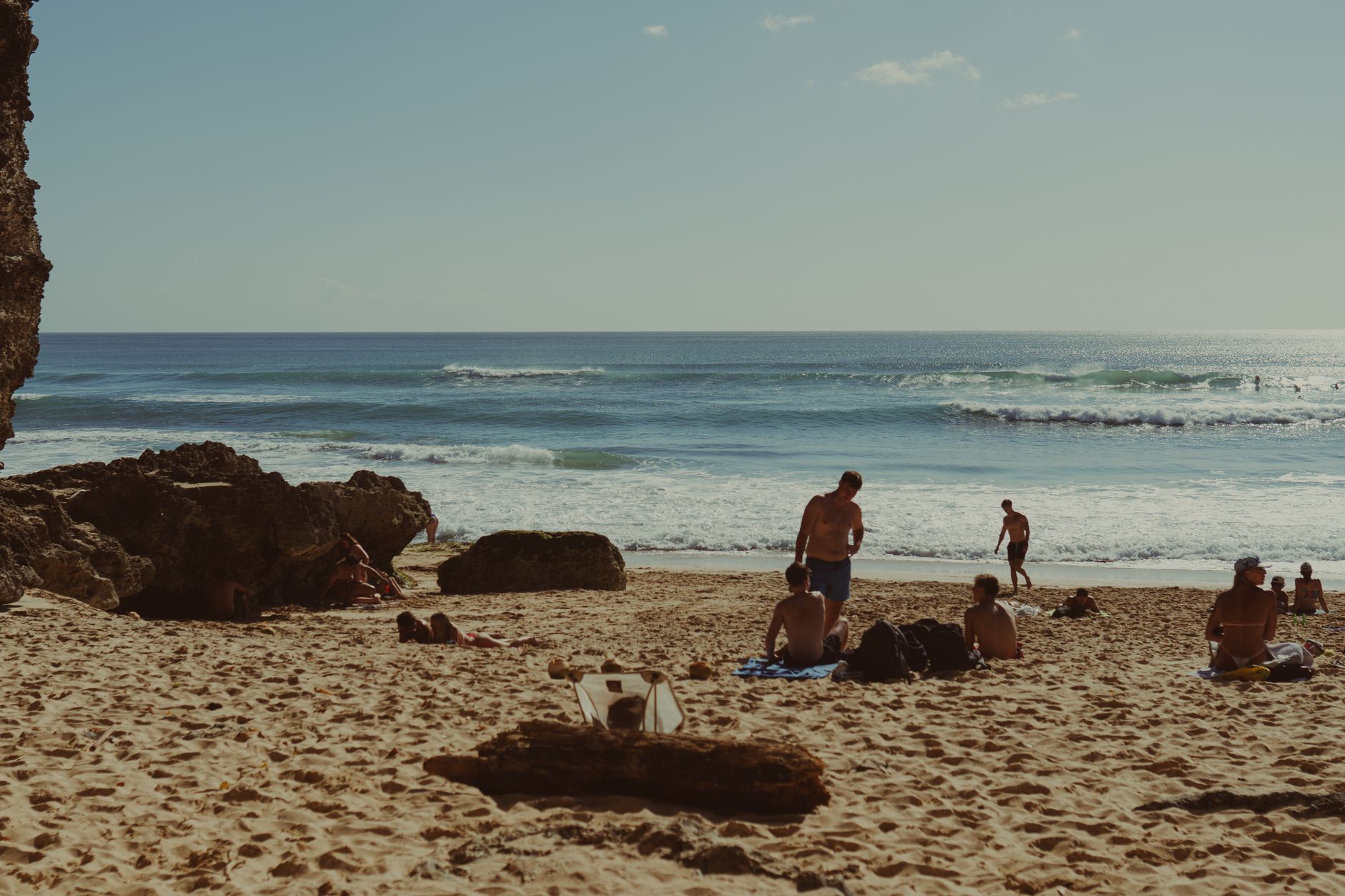
Hawaii in January is often a top-of-mind destination for those looking to escape the colder climates of winter. Many travelers wonder, “Is Hawaii warm in January?” The answer is a resounding yes, with temperatures typically ranging from the low 70s to mid-80s Fahrenheit. This makes it an ideal time to enjoy the islands’ stunning beaches, lush landscapes, and vibrant cultural experiences.
While you bask in the sun, it’s also essential to consider the potential rainfall and events that can enhance your visit. Below, we will dive into what to expect during a January trip to Hawaii, including averages for temperature, activities, travel tips, and accommodations to ensure a pleasant vacation.
Is Hawaii Warm In January?
Yes, Hawaii is warm in January. Average temperatures across the islands hover between 70°F and 85°F (21°C to 29°C) during this month, providing visitors with a delightful climate for outdoor activities. However, certain regions may experience occasional rain, especially on windward sides of the islands.
Understanding Hawaii’s Climate in January
Hawaii’s climate is characterized as tropical, meaning you can generally expect warm temperatures and humidity year-round. January falls within the winter season, but due to Hawaii’s unique geography, the weather varies significantly between islands and even among different areas on the same island.
The leeward sides (west and south) of the islands usually have drier conditions, making them popular for beachgoers, while the windward sides (east and north) can be rainier, nourished by the trade winds. Rain showers tend to be brief and light compared to more temperate climates.
Temperature Averages
In January, average high temperatures are around 80°F (27°C), while average lows are around 65°F (18°C). Here’s a brief overview of temperature ranges for each of the major islands:
- Oahu: Highs 80°F (27°C), Lows 70°F (21°C)
- Maui: Highs 81°F (27°C), Lows 65°F (18°C)
- Kauai: Highs 77°F (25°C), Lows 65°F (18°C)
- Big Island: Highs 81°F (27°C), Lows 68°F (20°C)
Best Activities and Experiences in January
January is a fantastic time to visit Hawaii, not just for the warmth but also for the multitude of activities available. Here are some top experiences to consider:
Surfing and Water Sports
Winter usually brings bigger swells to Hawaii’s north shores, particularly on Oahu (Waimea Bay and Banzai Pipeline). This attracts professional surfers and enthusiasts alike, making it a great time to watch competitions, such as the Vans Triple Crown of Surfing.
Beach Relaxation
No trip to Hawaii would be complete without soaking up the sun on its pristine beaches. Whether you’re on Waikiki Beach, Kaanapali Beach, or Hanalei Bay, the warm weather encourages swimming, sunbathing, and relaxation.
Hiking and Outdoor Adventures
Many of Hawaii’s trails are stunningly beautiful in January. Consider exploring trails like the Na Pali Coast in Kauai, Makena Beach on Maui, or Diamond Head on Oahu. The cooler temperatures in January make hiking during the day more enjoyable.
Whale Watching
January marks the peak of whale watching season in Hawaii as humpback whales migrate to the warm waters for breeding. Book a whale-watching tour from Maui or the Big Island for a chance to see these magnificent creatures.
Cultural Experiences
January is also a time for various cultural events across the islands. Consider attending local festivals, art exhibitions, or traditional Hawaiian luaus to enrich your travel experience.
Travel Tips for Visiting Hawaii in January
To make the most of your Hawaiian trip in January, consider these practical travel tips:
Booking and Accommodation
January is a popular month for travel to Hawaii, so it’s advisable to book accommodations well in advance. Many options are available, from luxury resorts to budget-friendly hotels and vacation rentals.
Transportation
While public transportation exists, renting a car is typically the best way to explore the islands, especially if you plan to visit various parks and beaches at your own pace. Ensure to check rental availability early, as demand can rise during peak tourist times.
What to Pack
Packing for a Hawaiian vacation is relatively straightforward. Here are some essentials:
- Lightweight clothing (shorts, t-shirts, sundresses)
- Swimwear and towel
- Comfortable sandals and hiking shoes
- Sunblock and sunglasses
- Light sweater or jacket for cooler evenings
- Bug spray for hiking
Weather Patterns to Keep in Mind
While Hawaii is warm in January, be prepared for the occasional rain. The islands may experience brief showers, particularly in the mornings or late afternoons, especially on the windward sides. Always check the local forecast to plan your outdoor activities accordingly.
Rainfall Statistics
Here are average rainfall statistics for January on some popular Hawaiian islands:
- Oahu: 3.7 inches
- Maui: 3.2 inches
- Kauai: 5.3 inches
- Big Island: 3.9 inches
Planning Your Itinerary in January
A typical trip to Hawaii in January might last from five to ten days, allowing for plenty of exploration and relaxation. Here’s a suggested 7-day itinerary:
7-Day Hawaii Itinerary
- Day 1: Arrival in Honolulu, Oahu. Spend the afternoon at Waikiki Beach. Enjoy a sunset dinner overlooking the ocean.
- Day 2: Hike Diamond Head in the morning, then explore Pearl Harbor and the USS Arizona Memorial.
- Day 3: Fly to Maui. Visit Haleakalā National Park for the sunrise, then spend the rest of the day on the Road to Hana.
- Day 4: Enjoy a day at Kaanapali Beach. Consider a snorkeling tour to Molokini Crater.
- Day 5: Fly to Kauai. Discover Waimea Canyon and take short hikes to waterfalls.
- Day 6: Relax at Hanalei Bay or go for a boat tour along the Na Pali Coast.
- Day 7: Fly to the Big Island. Explore Volcanoes National Park and witness the unique volcanic landscapes.
Budget Considerations for Hawaii in January
Your budget will dramatically affect your experience in Hawaii, especially during peak tourist season like January. Here’s what to keep in mind:
Accommodation Costs
Hotel prices can vary widely. Expect to pay more for beachfront resorts whereas budget accommodations like hostels or vacation rentals can offer more economical options.
Food and Dining
Dining in Hawaii can be both affordable and extravagant. Local food trucks and casual dining can keep costs down, while fine dining experiences will be pricier. Allocate a daily food budget of around $50 to $100 per person depending on your dining style.
Activity Costs
Many outdoor activities, such as hiking and beach access, are free or low-cost. However, excursions like helicopter tours, boat trips, and luaus can add up quickly. Plan your activities in advance and prioritize those that interest you the most.
Accessibility and Family Considerations
Hawaii is increasingly accommodating for individuals with mobility challenges. Most airports, hotels, and many attractions offer facilities to assist wheelchair users. Family-friendly resorts provide various amenities for parents and children, including kids’ clubs and activities.
In addition, so many Hawaiian experiences are family-friendly, from beaches to parks and cultural events, making it a great destination for travelers with children.
Safety and Health Tips
While Hawaii is generally safe, being vigilant is essential. Here are some tips to consider:
- Stay hydrated, particularly while hiking or involved in outdoor activities.
- Always apply sunscreen, even on overcast days.
- Respect wildlife and maintain distance from animals, especially while snorkeling or hiking.
- Be cautious on slippery rocks when exploring tide pools or beaches.
Conclusion
Hawaii offers warmth and adventure in January, making it a noteworthy destination for winter travel. With average temperatures suitable for beach relaxation, diverse activities, and rich cultural experiences, there’s something for everyone. Whether you plan a short getaway or an extended vacation, the islands provide ample opportunities to create lifelong memories.
As you plan your trip, check for current weather conditions, accommodation availability, and cultural events to maximize your experience. For further reading, explore our guides on travel tips and activities in Hamilton, Bermuda, or visit our main site for various destination guides and travel-planning articles.