
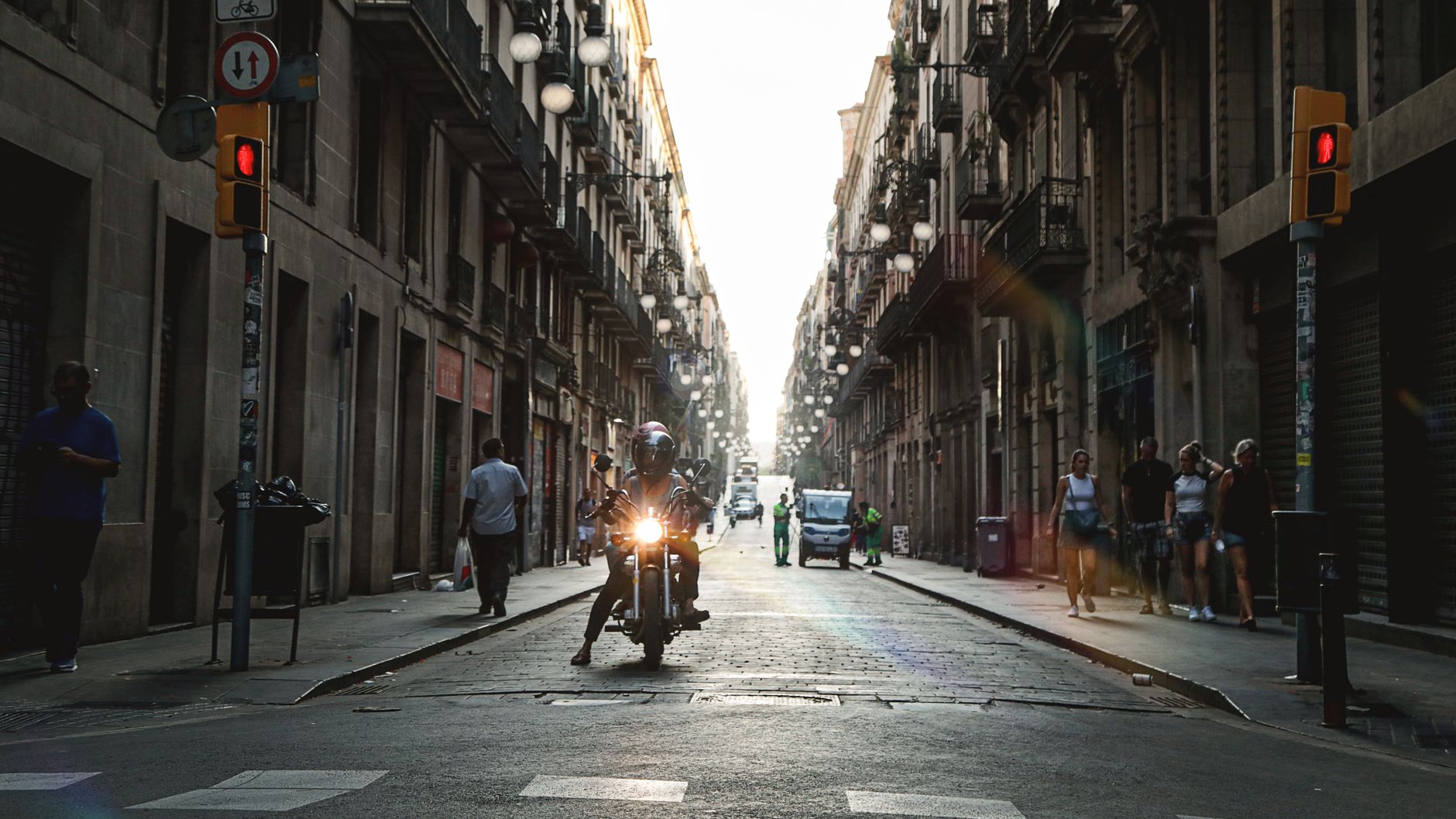
For those eyeing a Vespa as their preferred mode of transport, a common question arises: do you need a motorcycle license to ride one? The answer can vary depending on a few factors, including your location and the specifications of the Vespa in question. Understanding these regulations is crucial to ensuring a smooth riding experience.
Motorcycle licensing requirements often stem from local traffic laws and the engine size of the Vespa. This guide will explore the conditions under which you may need a motorcycle license, along with practical tips for Vespa enthusiasts and those considering a trip where they plan to rent or ride one.
Do I Need A Motorcycle License For A Vespa?
Generally, whether you need a motorcycle license for a Vespa depends on the model and engine size. For instance, in many regions, Vespas with engine capacities under 50cc often fall under moped laws, requiring either a car license or a special moped permit. However, if the Vespa exceeds that limit, a motorcycle license is typically mandatory.
As regulations can vary, it’s essential to research and confirm the specific requirements based on your local laws or the regulations in the country you are visiting. This initial research can save you from fines, accidents, and potential legal issues.
Understanding Vespa Classes
Vespas come in various engine sizes and models, which helps categorize their legal requirements:
- 50cc or Less: Many countries, including the United States, classify scooters up to 50cc as mopeds. Often, you only need a driver’s license or a moped permit, but specifics vary.
- Over 50cc: Generally, Vespas with more than 50cc engines are classified as motorcycles. This classification necessitates a motorcycle license in most countries.
Moped License vs. Motorcycle License
For some riders, the terms “moped license” and “motorcycle license” can create confusion. Here’s a brief breakdown:
- Moped License: This is often easier to obtain and may only require a written test and a basic safety course. It’s designed for lower-powered vehicles, generally under 50cc.
- Motorcycle License: This license typically requires both written and practical tests, meant for more powerful two-wheelers. It entails a deeper understanding of safe riding practices.
Vespa Registration and Licensing Requirements by Region
United States
In the U.S., motorcycle regulations can vary from state to state:
- California: Riders of Vespas over 50cc must have a motorcycle license, while those with 50cc or less can ride with a regular driver’s license or a motorcycle learner’s permit.
- New York: Requires a motorcycle license for all Vespas. An operator must complete a training course for a waiver on the road test.
- Florida: Moped riders must possess a driver’s license, while those with Vespas over 50cc need a motorcycle license.
United Kingdom
In the UK, the rules are quite specific:
- Riders aged 16 and older can ride scooters up to 50cc with a provisional license, passing the Compulsory Basic Training (CBT).
- For Vespas over 50cc, riders must have an A1 license (if 17 or older) or an A license (if 21 or older) after completing the relevant training.
Europe
European regulations generally align closely:
- Most countries allow riders aged 16 or older to operate scooters up to 50cc with a moped category license.
- If the Vespa exceeds this limit, an appropriate motorcycle license is necessary, depending on the country’s age and experience requirements.
Vespa Rental Considerations
Planning to rent a Vespa while traveling? Be aware of specific rental conditions and legal requirements:
- Documentation: Ensure you have the proper license required by the rental company and local laws. Some may ask for an international driving permit (IDP) if your license is not in the local language.
- Insurance: Renting often comes with an insurance policy. Understand what it covers—personal liability, collision, theft, and third-party coverage—before signing any paperwork.
- Rental Age: Rental companies typically require riders to be at least 18 and have held a motorcycle/moped license for a minimum period.
Tips for Riding a Vespa
Whether you’re a seasoned rider or a novice, here are some essential tips to keep in mind:
- Safety Gear: Always wear a helmet and protective clothing. This practice can drastically reduce injury risks in case of an accident.
- Familiarize Yourself: Before hitting the road, practice riding in a safe environment to become comfortable with handling the Vespa.
- Road Awareness: Stay alert and vigilant for other road users. Watch out for blind spots, especially in urban areas.
- Local Traffic Laws: Acquaint yourself with the local traffic rules and regulations. Lane splitting, for instance, is legal in some places but illegal in others.
Potential Penalties for Riding Without a License
Riding a Vespa without the required license or permit can result in various penalties:
- Fines: Be prepared for hefty fines if caught riding unlicensed.
- Impoundment: The Vespa may be impounded, leading to additional fees and inconvenience.
- Legal Action: In severe cases, operating without a valid license can lead to criminal charges.
Safety and Compliance Tips When Traveling
To ensure a hassle-free experience while riding abroad, consider the following:
- Research Local Rules: Before traveling, familiarize yourself with the specific scooter laws of the country you’re visiting.
- Insurance Coverage: Confirm that your travel insurance covers scooter-related activities, including rentals.
- Emergency Contact: Have local emergency contacts and numbers handy, including police, fire department, and ambulance services.
- Understand the Vehicle: Learn about the specific Vespa model you’ll be riding. Knowing the vehicle’s features, such as brakes and lights, can increase safety.
When to Ride a Vespa
Timing can significantly impact your riding experience. Here’s what to keep in mind:
- Weather Conditions: Ideal conditions for riding usually include dry weather and mild temperatures. Rainy or excessively hot days may pose risks to safety.
- Tourist Season: During the peak tourist season, roads may be crowded, increasing the potential for accidents. Consider traveling in the shoulder seasons for a more relaxed experience.
Preparing for Your Trip
When planning your Vespa adventure, consider the following preparation steps to ensure a smooth experience.
- Your License: Ensure you have the required license or permit and carry it with you while riding.
- Check Legal Compliance: Confirm the Vespa you’re renting or riding is compliant with local motorcycle laws as specifications may differ.
- Plan Your Route: Choose scenic yet safe routes. Use apps or maps to identify good riding paths.
- Pack Essentials: Bring tools for minor repairs, first-aid supplies, and weather-appropriate clothing.
Frequently Asked Questions
What if I only hold a car license?
With a car license, you may legally ride a Vespa under 50cc in many jurisdictions, but always verify local laws beforehand.
Can I use a foreign motorcycle license?
In many countries, foreign motorcycle licenses are recognized. However, consider obtaining an international driving permit (IDP) to avoid complications.
Is safety gear mandatory?
While safety gear requirements can differ by country, wearing a helmet and protective clothing is always recommended for safety reasons.
Budgeting for Your Trip
When planning your Vespa adventure, be mindful of various costs that may arise:
- Rental Fees: Costs for renting a Vespa can vary. Options may include hourly, daily, or weekly rentals.
- Insurance: Factor in additional coverage for protection against theft or damage.
- Fuel: Research fuel efficiency estimates and average fuel prices during your travels.
- Gear Costs: If you don’t own gear already, budget for a quality helmet and protective gear.
- Permits or licenses: Don’t forget fees associated with obtaining moped or motorcycle licenses if required.
Final Thoughts
Riding a Vespa can be a thrilling and convenient way to explore new places. While it is crucial to understand license requirements, safety regulations, and associated costs, being prepared can enhance your experience significantly. Always respect local laws and practice safety to ensure enjoyable travels on two wheels.
As you plan your Vespa adventure, don’t forget to explore related destination guides and travel-planning articles. Check out these useful resources: Do You Need a License to Drive an ATV? and How Far is Berkeley From San Francisco?.