
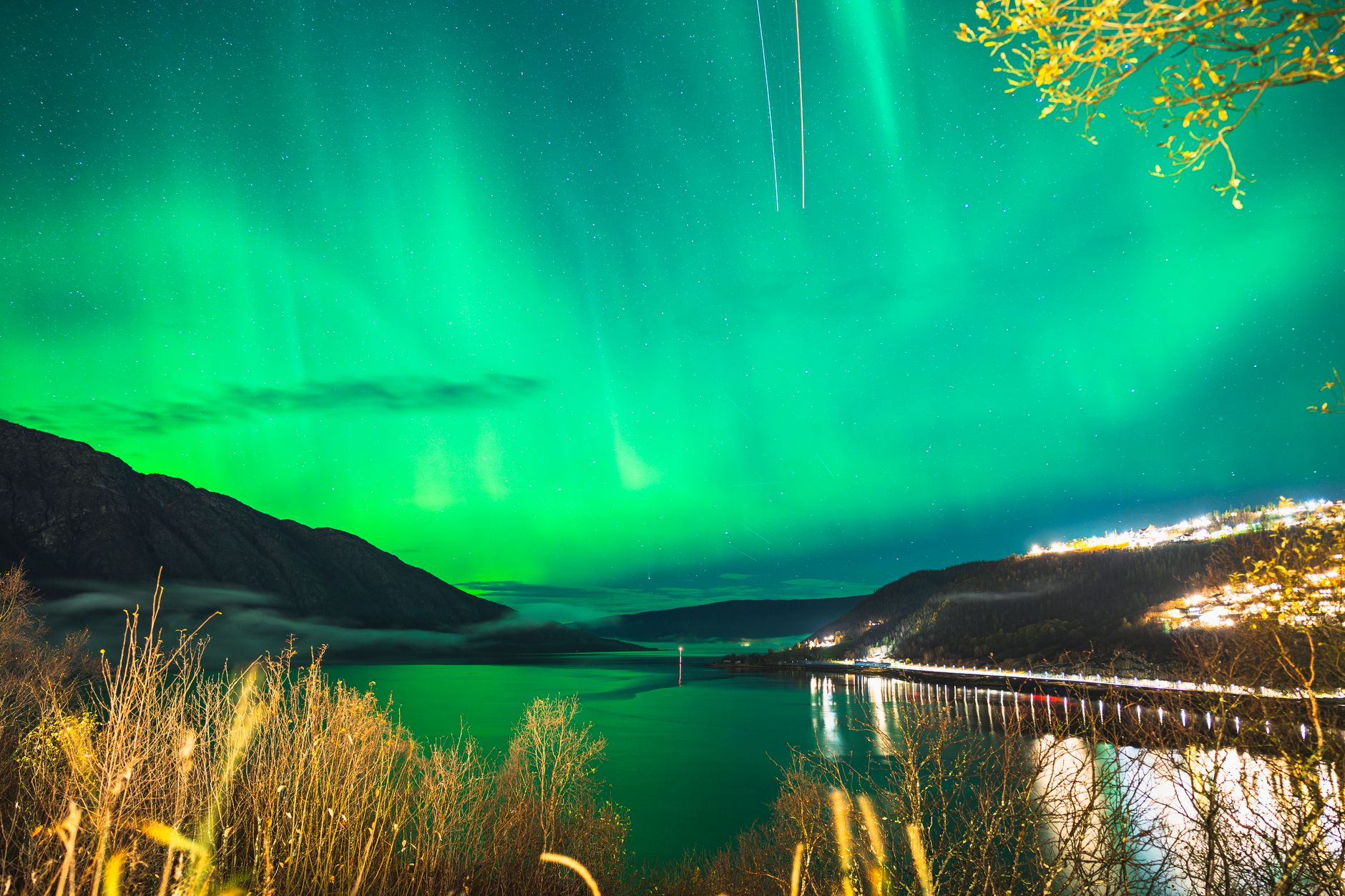
The Northern Lights, or Auroras Borealis, are a captivating natural phenomenon often associated with Arctic regions. Many travelers wonder, “Can you see the Northern Lights in Ireland?” The answer is yes, under certain conditions, particularly in the northernmost parts of the country. This article will guide you through the best locations, times of year, and practical tips for witnessing this breathtaking sight in Ireland.
While Ireland may not traditionally be seen as a prime destination for Northern Lights viewing, its geographical location and the right weather conditions can create perfect moments for spotting this extraordinary display. Read on to discover what you need to know about seeing the Northern Lights in Ireland.
Can You See The Northern Lights In Ireland?
Yes, you can see the Northern Lights in Ireland, especially in the northern regions such as Donegal and Antrim. These areas experience more frequent auroral activity due to their proximity to the Arctic Circle. Ideal viewing conditions generally occur during the winter months when nights are longer and darker.
Why Visit Ireland for the Northern Lights?
Ireland’s landscapes add to the magic of the Northern Lights. The rolling hills, rugged coastlines, and ancient castles provide stunning backdrops for the auroral displays. It is also a great destination for those interested in combining culture, history, and outdoor adventures with the chance to catch the lights.
What Makes Ireland Unique?
- Rich cultural heritage, with numerous historic sites and local folklore.
- Friendly locals and vibrant cities like Belfast and Derry.
- Stunning natural beauty, from coastal cliffs to serene lakes.
Best Regions to See the Northern Lights in Ireland
While sightings of the Northern Lights can happen anywhere in Ireland, certain regions stand out for their optimal viewing potential. Here are the best spots to consider:
1. County Antrim
Home to the famous Giant’s Causeway and a dramatic coastline, County Antrim is one of the top locations for viewing the Northern Lights. The area around Ballycastle and the Dark Hedges offers excellent dark skies away from city lights.
2. County Donegal
Donegal is another prime location with its remote landscapes. The Inishowen Peninsula, particularly near Malin Head, provides breathtaking vistas with minimal light pollution, making it an excellent spot for aurora sightings.
3. Derry/Londonderry
The historic city of Derry offers urban aurora viewing opportunities, especially along the River Foyle. Climbing to the city’s walls can provide excellent panoramic views.
4. County Down
Near the Mourne Mountains, places like Newcastle offer beautiful scenery coupled with chances to see the lights, especially if you’re positioned near the coast.
When is the Best Time to See the Northern Lights in Ireland?
The best time for Northern Lights viewing in Ireland is during the winter months, specifically from October to March. The longer nights and better chances of clear skies during these months enhance the likelihood of witnessing the auroras.
Ideal Conditions for Viewing
- Dark, clear nights with minimal light pollution.
- Solar activity, which can be monitored using aurora prediction websites.
- Avoid full moon periods, as they generate excess ambient light.
Tips for Planning Your Northern Lights Trip
Planning ahead can significantly enhance your chances of seeing the Northern Lights. Here are some practical tips to consider:
1. Monitor Aurora Forecasts
Websites like the Space Weather Prediction Center provide forecasts on solar activity. These predictions can help you time your aurora hunting effectively.
2. Choose Your Location Wisely
Select a spot known for aurora activity and easy access to dark areas. Areas such as Malin Head and the Giant’s Causeway offer stunning backdrops for your adventure.
3. Dress for the Weather
Winter temperatures in Ireland can be chilly. Dress in layers, including thermal underwear, water-resistant outerwear, and insulated accessories. Prepare for rain and wind, typical of the Irish winter.
4. Bring the Right Equipment
If you aim to capture the lights on camera, bring a DSLR or mirrorless camera with manual settings capability, a sturdy tripod, and knowledge of settings suitable for low light photography.
Where to Stay in Northern Ireland
Accommodations are available across Northern Ireland, ranging from hotels to cozy bed & breakfasts. Here are some suggestions based on different travel needs:
1. Budget-Friendly Options
- Hostels in Derry and Belfast.
- B & Bs in small villages throughout Donegal and Antrim.
2. Mid-Range Hotels
- Hotels in Ballycastle or Letterkenny offer a balance of comfort and access to attractions.
- Stay in charming guesthouses for a local experience.
3. Luxury Accommodation
- Resorts and high-end hotels in the Mourne Mountains.
- Historic hotels in Derry or Belfast with modern amenities.
Transport Options Around Northern Ireland
Getting around Northern Ireland is relatively straightforward, with various transport options.nn Here are the main methods:
1. Car Rental
Renting a car offers the most flexibility, especially for reaching remote viewing spots. Many international and local agencies operate throughout Northern Ireland.
2. Public Transport
Public buses and trains connect major cities and towns. However, they may not reach some of the best aurora spots. Use this option if you are relying on city-based observations.
3. Guided Tours
Some local companies offer guided Northern Lights tours, complete with transportation and expert guides. This can be a great option if you prefer a structured experience.
Aurora Photography Tips
To capture the Northern Lights on camera, consider these essential photography tips:
1. Use Manual Settings
Set your camera to manual, use a high ISO (around 800 to 1600), a wide aperture (like f/2.8), and adjust the shutter speed between 10 to 30 seconds depending on the light conditions.
2. Use a Tripod
A sturdy tripod is essential for long exposure shots to avoid camera shake. Consider a remote shutter or timer for further stability.
3. Experiment and Enjoy
Don’t hesitate to play around with your camera settings. The Northern Lights can be elusive, so take your time and enjoy the experience.
Safety Considerations While Viewing the Northern Lights
While aurora hunting is generally safe, keep these considerations in mind to ensure a comfortable and secure experience:
1. Choose Safe Locations
Stick to well-lit paths when hiking for better safety and ease of access. Be aware of your surroundings and avoid potentially hazardous areas.
2. Be Prepared for Weather Changes
Irish weather can be unpredictable, so always check forecasts and be ready for rain or wind. Waterproof gear is advisable.
3. Travel Insurance
Consider travel insurance that includes coverage for outdoor activities and potential weather-related cancellations or interruptions.
Local Food and Drink Options
No trip is complete without experiencing local cuisine. Northern Ireland offers a variety of delicious food and drink options. Here are some must-try items:
1. Irish Stew
A traditional hearty stew, usually made with lamb and root vegetables—a perfect meal after a chilly night of aurora hunting.
2. Soda Bread
Locally baked soda bread is a staple that pairs beautifully with any meal. Look for it at breakfast or as part of your lunch.
3. Local Craft Beer
Sample the burgeoning craft beer scene in Northern Ireland. Many local breweries offer tastings and tours that can enhance your culinary experience.
4. Whiskey Tasting
Don’t miss an opportunity to taste top-quality Irish whiskey. Many distilleries in the region offer tours and tastings.
Length of Stay Recommendations
To effectively combine Northern Lights viewing with other activities, a stay of 4 to 7 days is ideal. This length allows for flexibility in case of inclement weather, ensuring multiple opportunities to witness the auroras.
Sample Itinerary
- Day 1: Arrive in Belfast or Derry, explore the city.
- Day 2: Travel to Donegal, visit Malin Head, and enjoy local food.
- Day 3: Visit the Giant’s Causeway during the day, then aurora hunting at night.
- Day 4: Explore the Mourne Mountains, enjoy scenic views, and try a little hiking.
- Day 5: Take a day trip to a nearby village or another viewing area, and enjoy evening relaxation.
- Day 6: Free day to revisit favorite spots or engage in local activities.
- Day 7: Departure from your chosen airport.
Each night can be a potential viewing opportunity for the Northern Lights, and this schedule allows you to mix adventure with relaxation.
As you prepare to see the breathtaking Northern Lights in Ireland, remember that the experience is about the adventure itself. The combination of beautiful landscapes, rich history, and the atmosphere of waiting for the skies to light up makes for an unforgettable trip.
Plan accordingly, dress for the elements, and keep your camera ready to capture this extraordinary natural wonder. Happy travels!
Explore more destination guides and travel-planning articles such as General Travel Advice and Things to Do in Victoria, BC for more travel inspiration.