
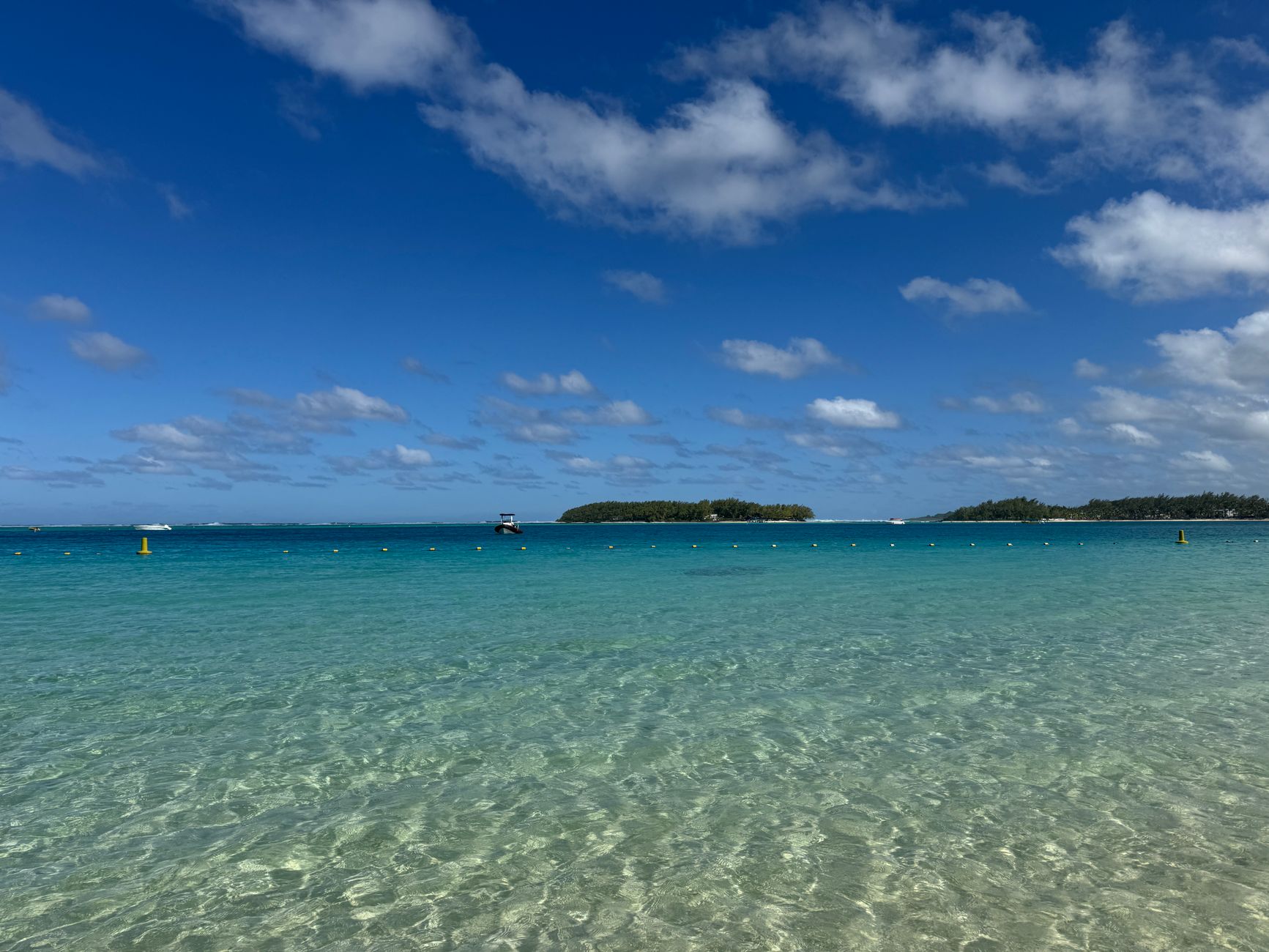
Hawaii, known for its stunning landscapes, vibrant culture, and warm weather, is a dream destination for many travelers. However, deciding the best month to visit involves various factors including weather, crowds, and activities. Understanding the seasonal variations can help you plan the most enjoyable trip suited to your preferences.
This article will guide you through the best months to visit Hawaii based on different criteria, including climate, events, and travel costs. Whether you’re a beach lover, adventure seeker, or culture enthusiast, planning effectively can elevate your experience in this tropical paradise.
When Is The Best Month To Go To Hawaii?
The best month to go to Hawaii depends on what you’re looking to experience. Generally, the months of April, May, September, and October are considered ideal for good weather, fewer crowds, and reasonable prices. Each of these months offers specific advantages to cater to different types of travelers.
Understanding Hawaii’s Seasons
Hawaii enjoys a mild tropical climate year-round, divided mainly into two seasons: dry and rainy. The dry season typically lasts from April to October, while the rainy season occurs from November to March. Understanding these seasons can help you determine the ideal time for your visit.
Weather Patterns
The weather in Hawaii is generally warm, with average daytime temperatures ranging from 70°F to 85°F (21°C to 29°C) year-round. However, microclimates exist across the islands, leading to variation in temperature and precipitation. Coastal areas are usually drier and sunnier than the interior or mountain areas.
Rainy Months
While rain can occur at any time, November through March is typically wetter. If you don’t mind occasional showers, visiting during this time can take advantage of lower accommodation rates and fewer tourists. Just remember that hiking trails can be muddy and some activities may be affected by rain.
Ideal Months for Different Activities
Beach Lovers
If sunbathing, surfing, or snorkeling represents your ideal beach vacation, the best months to visit are from April to October. During this period, the ocean waters are warmer, and the chances of rain are lower. Additionally, the waves are more suitable for beginners during late spring and early summer.
Whale Watching
For whale watching enthusiasts, January to March is the prime time to catch sight of humpback whales migrating from Alaska to Hawaii. Tour operators offer numerous whale watching excursions during these months, providing an incredible opportunity to see these magnificent creatures up close.
Surfing Events
For those keen on surfing, especially professionals and fans, December through February offers the biggest waves on the North Shore of Oahu. Events like the Vans Triple Crown of Surfing take place during these months. If competitive surfing interests you, planning a trip during this time is ideal.
Hiking
Hiking is popular year-round due to Hawaii’s breathtaking landscapes. However, April, May, and September provide the best conditions for hiking: pleasant temperatures and generally lower chances of rain. Popular trails remain more accessible during these months.
Cost Considerations
Travel costs in Hawaii can fluctuate significantly based on the time of year. Understanding these trends can help you budget effectively.
Expensive Periods
The peak tourist season spans from mid-December to March, coinciding with winter vacations and school holidays. Accommodations, flights, and activities typically experience price increases during this time. If you’re looking to save on travel expenses, avoid peak season.
Shoulder Seasons
The shoulder months of April, May, September, and October are generally more affordable. In these months, you can experience pleasant weather while enjoying cost savings on flights and lodging. Local attractions may also be less crowded.
Finding Accommodations
Hawaii offers a wide range of accommodations, from luxury resorts to budget-friendly hostels. Your choice may depend on the time of year you visit and your overall travel budget.
Luxury Resorts
If lavish amenities and exclusive settings appeal to you, consider booking a luxury resort during the shoulder seasons. This option often provides attractive deals and packages that can enhance your overall experience.
Vacation Rentals
Vacation rentals present a fantastic alternative for families and larger groups. Websites like Airbnb and VRBO allow you to find places that fit your needs. If traveling during the off-peak months, you may even score a great deal or discount for longer stays.
Transportation in Hawaii
Navigating the Hawaiian Islands may require a bit of planning. Options include rental cars, public transportation, and inter-island flights.
Rental Cars
Renting a car is the most convenient way to explore the islands independently. This option is ideal for those wanting to visit popular spots like Hanauma Bay, Haleakalā National Park, and the Road to Hana. Ensure you book your rental car in advance, particularly during busy seasons.
Public Transportation
If you prefer not to drive, Hawaii offers public transportation options, such as TheBus on Oahu. This can provide a budget-friendly way of getting around, but can be time-consuming due to limited routes and schedules.
Inter-Island Flights
For those planning to explore multiple islands, several airlines provide inter-island flights. Keep in mind that booking in advance can often help secure the best rates. Alternatively, ferry services operate between some islands, like Maui and Lanai.
Family Travel Considerations
Traveling with family often requires extra consideration, including checking accommodations, activities, and safety standards.
Family-Friendly Activities
Hawaii offers a plethora of family-friendly activities such as snorkeling, visiting beaches, hiking, and cultural experiences, like learning about Hawaiian history and traditions. Select activities that are engaging for all age groups to ensure everyone enjoys the trip.
Family-Friendly Accommodations
When choosing accommodations, consider family suites or vacation rentals with kitchen facilities to make longer stays more comfortable. Look for properties that offer amenities like complimentary breakfast and child-friendly activities.
Safety and Health Precautions
While Hawaii is generally safe, taking safety precautions is essential, especially during outdoor activities such as hiking or snorkeling.
Outdoor Safety
Always research trails before starting a hike, paying attention to any warnings about difficult conditions. When snorkeling or participating in water activities, use appropriate gear and never venture too far out if you’re inexperienced. Be mindful of weather conditions in mountain areas, as they can change quickly.
Health Considerations
If you have concerns about health and safety, familiarize yourself with local clinics and hospitals offering care. Preparing a basic first aid kit for minor injuries is also advisable. Additionally, check travel advisories or health guidelines for the latest updates.
Events and Festivals in Hawaii
Hawaii hosts numerous events and festivals throughout the year that can enrich your visit. Knowing what’s happening during your travel can enhance your experience.
Summer Festivities
From June to August, Hawaii hosts various summer festivals, including the King Kamehameha Celebration. Attending these events can provide insights into Hawaiian culture and traditions.
Fall Events
In September and October, harvest festivals occur, showcasing local produce and culture. The Aloha Festivals in September celebrate Hawaiian traditions through parades, music, and craft fairs. This vibrant event is great for immersion in local culture.
Winter Celebrations
During the winter months, you can find Christmas events known as ‘Mele Kalikimaka,’ with parades, light displays, and traditional Hawaiian entertainment. Planning your visit around these events can create memorable experiences.
Planning a Trip to Hawaii
For an optimal experience in Hawaii, adequate planning is essential. Consider creating a checklist of everything you need to organize before arrival.
- Check flight and accommodation availability.
- Plan an itinerary that includes key activities.
- Make reservations for popular attractions and excursions.
- Purchase travel insurance for added peace of mind.
- Verify any health and safety guidelines beforehand.
Suggested Length of Stay
A recommended length of stay for a fulfilling experience in Hawaii is around 7-10 days, depending on the number of islands you wish to explore. This timeframe allows you to balance relaxation, exploration, and cultural experiences without feeling rushed.
Packing Guide for Your Hawaii Trip
Packing appropriately for your Hawaiian adventure is crucial. Here’s a basic packing list to ensure you have everything you need:
- Light clothing (swimwear, shorts, t-shirts)
- A light jacket for cooler evenings
- Comfortable footwear for hiking and beach outings
- Snorkeling gear (if not renting)
- Sun protection (sunscreen, hat, sunglasses)
- A reusable water bottle to stay hydrated
- Basic first aid kit and personal medications
Conclusion
When planning your visit to Hawaii, the best month ultimately depends on your preferences for activities, budget, and weather. With thoughtful planning, any time can be a fantastic time to visit this beautiful destination. Aim for the shoulder months of April, May, September, or October to enjoy pleasant weather, fewer crowds, and cost-effective travel options.
Explore related destination guides and travel-planning articles to enhance your travel understanding and experience. Check out whether Hawaii is warm in January or if October is a good time to go to Hawaii.