
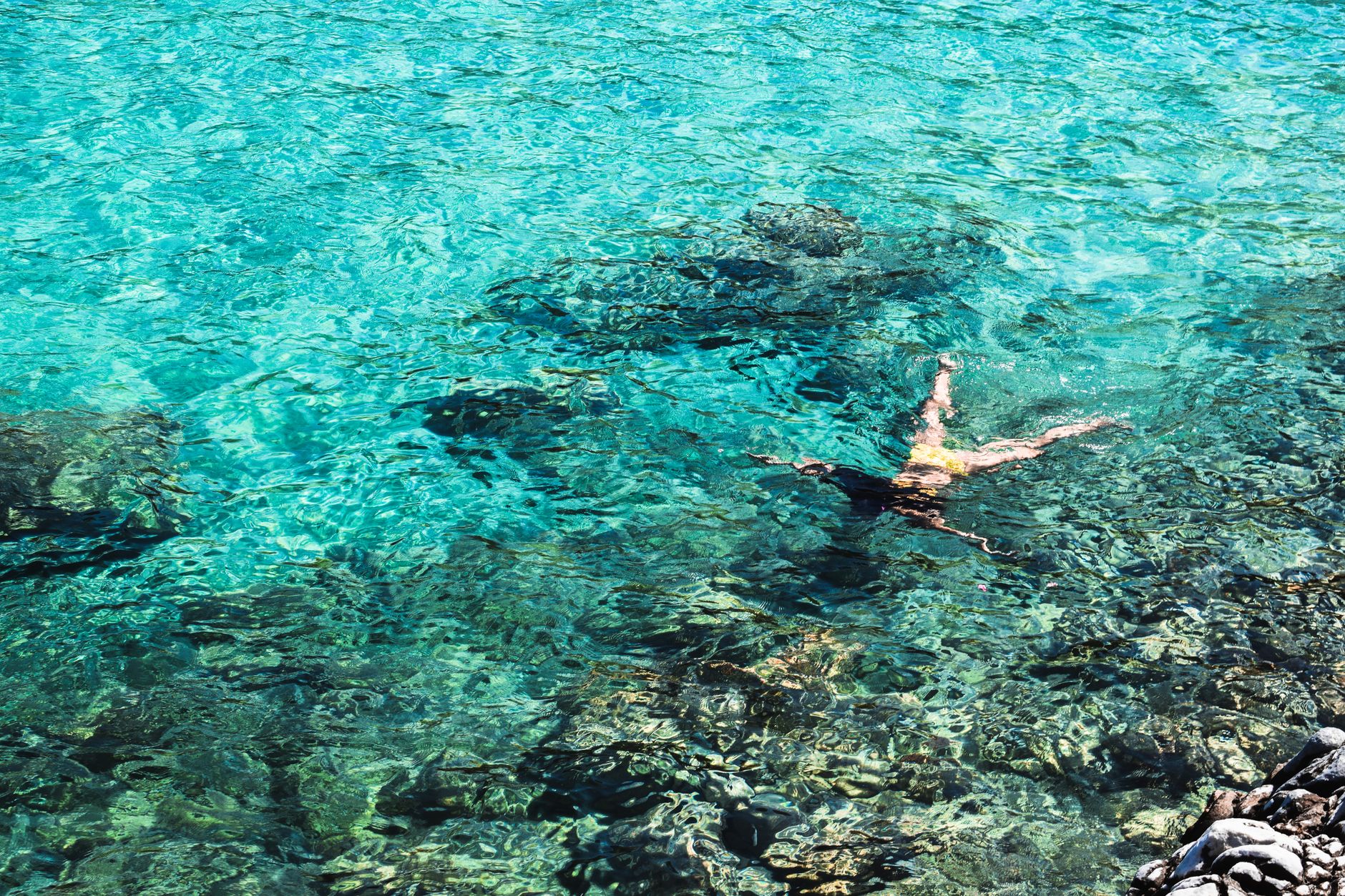
Swimming with manta rays is an awe-inspiring experience that attracts adventure seekers and marine enthusiasts alike. These gentle giants can be found in several locations around the world, each offering unique conditions and stunning underwater environments. This guide will explore the best places to swim with manta rays, advice on how to plan your trip, and important considerations to keep in mind.
Whether you’re traveling solo, with family, or as part of a group, the chance to interact with these magnificent creatures is both thrilling and educational. Here, we’ll discuss various destinations, what to expect, the best times to visit, and essential tips for making the most of your manta ray experience.
Where Can You Swim With Manta Rays?
You can swim with manta rays in several renowned destinations globally, including the Maldives, Hawaii, Fiji, and the Great Barrier Reef in Australia. Each location offers distinct experiences and the chance to observe these beautiful creatures in their natural habitat.
The Maldives
The Maldives is one of the prime locations for swimming with manta rays, thanks to its warm waters and diverse marine life. The best spots for manta ray encounters include Hanifaru Bay, where manta rays gather to feed, particularly during the plankton blooms from May to November.
In the Maldives, several resorts offer guided snorkeling and diving tours, ensuring safe and responsible interactions with the mantas. The ideal duration for a visit is about five to seven days, allowing you to relax and explore the local islands. Be sure to check the seasons before you book, as the plankton blooms can significantly affect visibility and ray sightings.
Hawaii
Hawaii, particularly the Big Island, is another fantastic destination to swim with manta rays. The Kona Coast is famous for nightly manta ray night dives and snorkel tours, where you can observe mantas being fed using lights that attract plankton.
The best time to visit this area for manta ray encounters is between May and September. Evening tours are popular, but it’s also possible to arrange daytime snorkeling trips. A four to five-day stay is ideal for diving deeper into Hawaiian culture and experiencing the local cuisine.
Fiji
Fiji is often referred to as the “soft coral capital of the world” and is home to numerous dive sites where manta rays can be spotted. The Yasawa and Mamanuca Islands are particularly well-known for manta ray snorkeling experiences.
The best time to swim with mantas in Fiji is from May to October during the dry season, when visibility is at its peak, and water temperatures remain comfortable. A week-long trip will allow you to explore the islands and engage in various water activities while setting aside time to relax on the beaches.
The Great Barrier Reef, Australia
The Great Barrier Reef is not only a UNESCO World Heritage site but also one of the best places to observe manta rays in their natural environment. The locations for swimming with manta rays include the northern sections, particularly around Ningaloo Reef and Osprey Reef.
Optimal months to visit for manta ray encounters are from December to April when the water temperature is warm and marine life is active. Many operators offer day trips from Cairns or Port Douglas, with suggested trips lasting three to seven days to explore the reef fully.
Planning Your Manta Ray Adventure
Planning a successful manta ray swimming experience requires careful consideration of several factors, including budget, travel logistics, and safety precautions.
Budget Considerations
Costs will vary depending on the location, type of tour, and accommodation level. Here are some general pricing guidelines for common expenses:
- Snorkeling or diving tours: Expect to pay between $75 and $200 per person, depending on the destination and operator.
- Accommodation: Prices range from budget hostels ($20/night) to luxury resorts ($500/night) depending on your chosen location.
- Food and drinks: Budget around $15 to $60 per day per person for meals, depending on whether you choose local eateries or upscale dining.
Transportation
Getting to popular manta ray destinations usually involves a combination of international flights and local transport. It’s essential to research the best flight routes based on your departure city. Additionally, check local transport options such as buses, taxis, or rental cars when planning your itinerary.
When it comes to getting around on the islands, many resorts offer shuttle services, and it’s often possible to arrange diving or snorkeling trips directly with your accommodation.
What to Pack
Proper preparation is crucial for a safe and enjoyable experience swimming with manta rays. Here’s a checklist of must-have items:
- Swimwear and rash guard
- Snorkeling gear (some tours provide gear, but personal masks and fins can fit better)
- Underwater camera or GoPro for capturing moments
- Sunscreen (preferably reef-safe to protect the ocean ecosystem)
- Lightweight towel
- Waterproof bag for personal belongings
- First-aid kit, including any personal medications
Safety and Environmental Considerations
Swimming with manta rays can be a safe experience when guided by experienced operators. However, it is always wise to follow these safety tips:
- Always swim with a buddy to ensure safety.
- Keep your distance from the manta rays; do not touch or chase them.
- Follow the instructions of your tour guide for a safe experience.
- Be mindful of the environment – avoid standing on corals or disturbing marine life.
The Best Time to Swim with Manta Rays
The best time for swimming with manta rays varies by location, primarily influenced by seasonal water temperature and plankton blooms. Always check the specific conditions for your chosen destination during your planned travel dates.
Monthly Breakdown
| Destination | Best Months |
|---|---|
| The Maldives | May to November |
| Hawaii | May to September |
| Fiji | May to October |
| Great Barrier Reef | December to April |
Choosing the Right Tour Provider
Selecting a reputable tour company is vital to ensure not only a fantastic experience but also the safety and well-being of both swimmers and marine life. Here are several tips for finding the right operator:
- Research reviews and testimonials online to assess the company’s reputation.
- Look for operators with a focus on sustainable tourism practices.
- Inquire about safety protocols and the experience level of guides.
- Check if they provide equipment and whether they adhere to eco-friendly practices.
Additional Activities to Consider
While swimming with manta rays is the highlight, many destinations offer additional activities that can enrich your travel experience. Consider adding the following to your itinerary:
Snorkeling and Diving
Explore the breathtaking coral reefs and diverse marine life through snorkeling or scuba diving. Many locations provide unparalleled opportunities to encounter sea turtles, colorful fish, and other tropical species.
Cultural Experiences
Immerse yourself in the local culture by taking part in community events, visiting markets, or trying traditional cuisines. Engage with local residents to learn about their customs, beliefs, and way of life.
Wildlife Tours
Beyond manta rays, wildlife tours can reveal other marine and island creatures. Look for opportunities to explore local ecosystems through kayak tours, whale watching, or exploring nature reserves.
Relaxation and Wellness
Consider scheduling downtime to rejuvenate. Many destinations offer wellness retreats, yoga classes, and spa services to unwind after adventurous activities.
Where to Stay
Choosing the right accommodation can greatly enhance your manta ray experience. Here’s a breakdown of typical lodging options based on location:
The Maldives
Options range from luxury resorts with private villas to guesthouses on local islands. If swimming with manta rays is your focus, select resorts that provide direct access to popular snorkeling and diving sites.
Hawaii
Hawaii offers a plethora of choices, including beach resorts, vacation rentals, and hotels. Staying in Kailua-Kona or near the Alii Drive area is ideal for accessing manta ray tours.
Fiji
In Fiji, you’ll find a mix of boutique hotels, local lodges, and upscale resorts on various islands. Choose accommodations near coral reefs for excellent snorkeling opportunities.
The Great Barrier Reef
There are numerous options in this region, from budget hostels to luxurious resorts. Staying in Port Douglas or Cairns can provide convenient access to manta ray tours.
Respecting Local Cultures and Environments
As a traveler swimming with manta rays, it’s essential to respect local cultures and the environment. Here are a few guidelines:
- Familiarize yourself with local customs and be mindful when interacting with residents.
- Support local businesses by choosing family-run accommodations or dining options.
- Adhere to regulations aimed at protecting marine life and habitats. If unsure, ask local guides for advice.
In summary, swimming with manta rays is an unforgettable experience available in various stunning global locations. Taking the time to plan your trip wisely will not only enhance your adventure but also ensure the safety of both you and the majestic marine life you’re there to enjoy. Whether you choose the Maldives, Hawaii, Fiji, or the Great Barrier Reef, you’re sure to have the opportunity to connect with these incredible creatures.
For more travel planning, check out the guides on exploring Boca do Inferno in the Azores or discover where to stay in Bocas del Toro. Explore related destinations and make your trip even more exciting!