
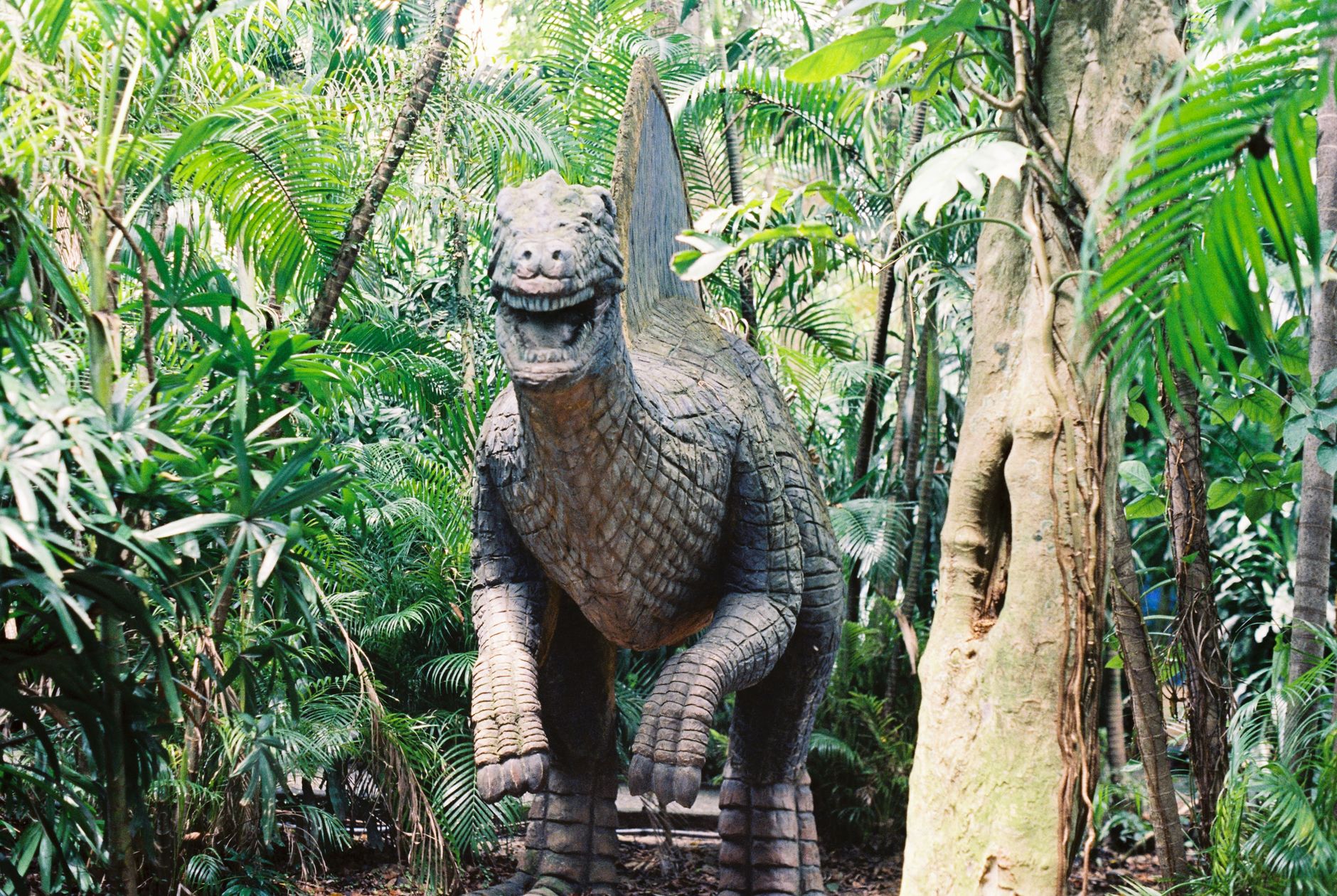
Many people have pondered the intriguing question: Is Jurassic Park possible? While the concept made for a thrilling movie franchise, the chilly reality of de-extinction and fossil-based recreation raises complex questions about biology, ethics, and practicality. This exploration examines the possibilities of bringing dinosaurs back to life, the science behind it, and the implications for travel enthusiasts fascinated by prehistoric life.
For those captivated by dinosaurs, visiting attractions or parks related to this ancient world can be an adventure in itself. While we might not be able to see living dinosaurs, there are numerous places that celebrate these majestic creatures in various ways. Let’s delve into how this dream of Jurassic Park translates into real-world experiences.
Is Jurassic Park Possible?
Bringing dinosaurs back to life as portrayed in Jurassic Park remains highly unlikely with our current technology. However, advances in genetics and paleontology continue to push the boundaries of science. Efforts to recreate some extinct species demonstrate that de-extinction is a burgeoning field filled with ethical and ecological considerations.
The Science of De-extinction
Efforts to resurrect extinct species primarily focus on three main methods:
- Cloning: Utilizing DNA from preserved specimens, like the famously preserved woolly mammoth.
- Gene Editing: Techniques such as CRISPR can edit genes of existing species to recreate traits of extinct animals.
- Back-breeding: Breeding existing species that share common ancestors with extinct species to reproduce traits of their ancient relatives.
While these methods offer promising routes, reviving dinosaurs poses immense challenges. Most dinosaur DNA has degraded significantly over millions of years, making recovery practically impossible. Instead, scientists are exploring related species like birds (the closest living relatives of dinosaurs) and their genetic coding. This might not recreate a T. rex but could offer insights into dinosaur-like traits.
The Ethical Considerations
Even if creating dinosaurs were feasible, ethical questions would arise. Should scientists attempt to revive species that have long ago vanished? What would the consequences be for our current ecosystems? Would newly created dinosaurs thrive or disrupt existing wildlife? These inquiries are crucial, not just for the scientists involved but also for society as a whole.
Jurassic Park: An Experience for Travelers
While we may not have a real Jurassic Park, numerous locations worldwide promise dinosaur-themed adventures. Here are some must-visit attractions that channel the spirit of a prehistoric journey:
1. Dinosaur National Monument, United States
Located on the border of Colorado and Utah, Dinosaur National Monument is famous for its fossilized remains of dinosaurs. This site offers visitors a chance to see bone deposits and explore hiking trails through picturesque landscapes. The Quarry Exhibit Hall features actual fossils embedded in rock, providing a tangible link to the past.
2. Field Museum, Chicago, Illinois, United States
Home to one of the largest and most complete T. rex skeletons ever discovered, Sue, the Field Museum brings dinosaurs to life through interactive exhibits. The museum’s immersive experience allows visitors to delve into the world of paleontology, featuring informative displays and exciting dinosaur dioramas.
3. American Museum of Natural History, New York City, New York, United States
This renowned museum boasts an impressive collection of dinosaur fossils. The Hall of Saurischian Dinosaurs features towering diplodocids and fierce theropods. The interactive exhibits provide insights into how dinosaurs lived and evolved over millions of years.
4. Royal Tyrrell Museum, Alberta, Canada
This museum is an oasis for dinosaur enthusiasts, offering extensive galleries dedicated to dinosaurs and prehistoric life. Visitors can engage with exhibits that include fossil displays, an interactive dig site, and guided tours led by expert paleontologists.
5. Jurassic Coast, England
The Jurassic Coast is a UNESCO World Heritage site showcasing 185 million years of Earth’s history. Spanning from Devon to Dorset, this stunning location provides opportunities for fossil hunting, beach exploration, and breathtaking coastal views. Various guided tours cater to families and enthusiasts alike.
How to Plan Your Trip to a Dinosaur Attraction
When planning your adventure to a dinosaur-themed destination, consider the following tips:
1. Research Your Destination
Understand what each location offers. From interactive museum displays to actual fossil sites, determine which aspects of dinosaurs excite you the most.
2. Best Time to Visit
Check seasonal trends and average visitor traffic for your chosen destination. Certain attractions may be busier during holidays or school vacation times, potentially influencing your experience.
3. Accommodation Options
Look for nearby accommodations that suit your budget and preferences. Many popular tourist destinations have a range of options, from hotels to rentals. Consider booking in advance for the best deals.
4. Transportation Planning
Understanding local transportation options is essential. Some sites may be accessible via public transportation, while others may require renting a car for flexibility. Research the most efficient routes and available options.
5. Additional Activities
Many dinosaur attractions are near other interesting sites worth exploring. Look into family-friendly activities or natural landmarks in the vicinity, enhancing your overall travel experience.
Budget Considerations
Budgeting for your dinosaur-themed travel can help you make the most of your trip. Here are some considerations:
- Attraction Fees: Admission costs can vary widely based on location and the type of exhibits. Check the official websites for updated pricing and potential discounts.
- Travel Costs: Factor in transportation, including flights, car rentals, or public transportation expenses.
- Accommodation: Research average lodging prices and consider whether to book early for better deals.
- Food and Drinks: Plan a budget for meals during your trip. Explore local dining options for unique culinary experiences.
- Souvenirs: Many attractions feature gift shops that sell dinosaur-themed items. Set aside a portion of your budget for memory-making purchases.
Accessibility and Family Considerations
Traveling to dinosaur parks can be a family-friendly adventure. Here are some tips to ensure everyone has a fantastic time:
- Check Accessibility: Confirm that attractions have suitable accommodations for those with mobility issues or disabilities.
- Child-friendly Activities: Look for locations with hands-on exhibits, scavenger hunts, or educational programs aimed at children.
- Safety Precautions: Keep safety in mind when exploring outdoor areas, and ensure that young children are monitored, especially near exhibits or activities.
The Future of Dinosaur Exploration
As science advances, the fascination with dinosaurs and the concept of Jurassic Park may continue to inspire new technologies and discoveries. Virtual reality, augmented reality, and advanced simulations may soon offer immersive experiences that mimic interactions with dinosaurs, even if they are not physically alive. This shift might make exploring prehistoric life more accessible while still igniting imaginations worldwide.
Conclusion
While we may not be able to recreate Jurassic Park in reality, the opportunities to engage with dinosaurs through museums, parks, and natural landmarks are closer than ever. With careful planning and an adventurous spirit, you can experience the thrill of these astonishing creatures and enjoy the journey into the realms of ancient Earth.
For further travel insights, consider exploring related destination guides and travel-planning articles such as modern-day Troy or how often you can see the Northern Lights in Iceland.