
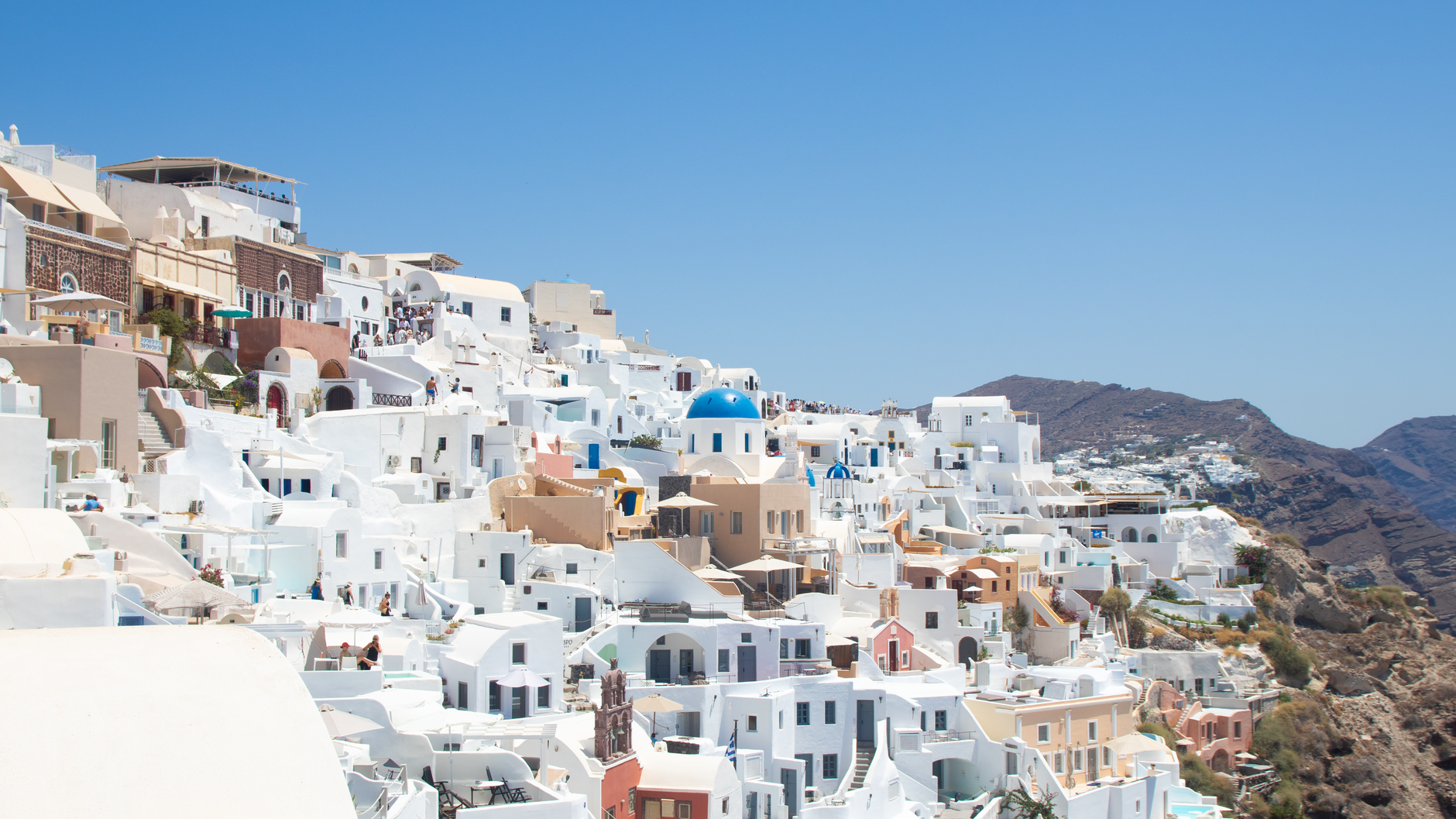
Choosing the right area for your Airbnb can significantly enhance your travel experience. Whether you’re a seasoned traveler or planning your first trip, identifying neighborhoods with great rental options makes a big difference. This guide will walk you through the key factors to consider when evaluating if an area is good for Airbnb.
Understanding the market dynamics, local attractions, and accessibility of the area is essential. By following these guidelines, you’ll be better equipped to make an informed decision on where to stay, ensuring a comfortable and enjoyable trip.
How To Tell If An Area Is Good For Airbnb?
To determine if an area is ideal for Airbnb, consider rental demand, local attractions, transport accessibility, safety, and amenities. Evaluating these factors will help you identify areas that offer good investment opportunities or favorable conditions for an enjoyable trip.
Assessing Rental Demand
Evaluating rental demand is crucial in determining an area’s viability for Airbnb. High demand usually indicates a thriving market, which translates to higher occupancy rates and potential earnings.
1. Research Occupancy Rates
Examine the local occupancy rates for Airbnb rentals. Areas with high occupancy rates suggest strong demand, leading to greater potential for consistent rental income. Resources like AirDNA provide data on occupancy trends.
2. Check Seasonal Trends
Understand the seasonal dynamics of the area. Some destinations experience peaks in tourism during certain times of the year, affecting occupancy rate patterns. Analyze historical data to identify busy seasons and low periods for better planning.
3. Analyze Competitor Listings
Look at the number of listings in the area versus the number of guests searching for rentals. High competition with limited guests can lead to lower nightly rates and longer vacancies. Use platforms like Airbnb and VRBO to browse similar properties and evaluate rental volume.
Evaluating Local Attractions
Areas with nearby attractions tend to attract more tourists. Evaluating the proximity and appeal of local attractions is vital for choosing a suitable Airbnb location.
1. Identify Major Attractions
Research the main attractions in the area. Popular sites such as landmarks, museums, and beaches typically draw travelers, making the location desirable. Consider how close these attractions are to your potential rental.
2. Assess Activities for Various Travelers
Understand the types of activities available nearby. Some areas may cater more to families, while others appeal to solo travelers or couples. Check if there are parks, shopping districts, restaurants, or entertainment options that suit your travel style.
3. Consider Unique Selling Points
Evaluate any unique selling points of the neighborhood. For instance, areas with local festivals or cultural events can boost short-term rental demand. Research what makes the neighborhood stand out to tourists.
Transport Accessibility
Accessibility plays a pivotal role in determining whether an area is good for Airbnb. The easier it is for guests to travel to and within the area, the more attractive it becomes.
1. Proximity to Public Transport
Check how close the rental is to public transportation options like buses, trains, or trams. Easy access to public transport systems can make a location far more appealing, especially for guests without vehicles.
2. Distance to Major Airports
Identify the distance from major airports and consider travel times to the rental. Locations that are a short trip from the airport are usually more convenient for travelers, which can lead to higher demand.
3. Walkability
Look at how walkable the neighborhood is. Areas with pedestrian-friendly streets and nearby amenities allow guests to explore without needing a car, enhancing their overall experience.
Safety Considerations
Safety is paramount when assessing any area for Airbnb rentals. Prospective guests will prioritize their safety, so it’s essential to evaluate the crime rates and overall safety of the neighborhood.
1. Check Local Crime Rates
Utilize tools like local police websites or neighborhood apps to check crime statistics. Areas with a lower crime rate are generally more attractive for potential guests.
2. Understanding Community Sentiment
Read online reviews about the neighborhood on travel forums and review sites. Getting insight into the experiences of others can help gauge safety and local sentiment.
3. Evaluate Emergency Services
Research the proximity of hospitals, clinics, and emergency services. Areas that provide quick access to healthcare facilities enhance safety and can be a deciding factor for travelers.
Amenities and Local Services
Consider the amenities and services available around the area. Access to grocery stores, restaurants, and recreational facilities can significantly impact the attractiveness of a rental.
1. Grocery and Convenience Stores
Examine the availability of grocery stores and convenience shops nearby. Access to these stores is typically essential for travelers who prefer cooking or need to stock up on essentials.
2. Dining Options
How many restaurants, cafes, and bars are in the area? A diverse selection of dining options can attract more travelers and enhance the experience.
3. Recreational Activities
Look into local parks, gyms, or recreational centers. Areas that offer activities like hiking, sports, or community events can boost interest among potential guests.
Budget Considerations
Your budget significantly influences your choice of area for Airbnb. Being aware of average nightly rates and additional fees helps in making informed decisions.
1. Analyze Airbnb Pricing Trends
Research average nightly rates for similar listings in the area. Understanding the pricing landscape can help you set realistic expectations for accommodation costs.
2. Consider Additional Costs
Account for cleaning fees, service fees, and local taxes. These additional expenses can vary widely from one area to another, so ensure you factor them into your overall budget.
3. Evaluate Length of Stay Discounts
Many hosts offer discounts for longer stays. Calculate the total costs based on your planned duration to identify the most economical options.
When to Visit and Duration of Stay
Understanding the best times to visit an area influences its appeal as an Airbnb destination. Seasonal variations can affect pricing and availability.
1. Peak vs. Off-Peak Seasons
Identify peak tourism seasons and their effect on rental prices. Booking during off-peak seasons can result in better deals and less crowded attractions.
2. Local Festivals and Events
Research local festivals, events, or holidays that might attract visitors. Staying during these times may offer unique experiences; however, it may also mean higher prices and crowded accommodations.
3. Suggested Length of Stay
Determine how long you need to explore the area adequately. Aiming for a minimum of three to four nights is advisable for most destinations, allowing time to relax and experience local attractions.
Family, Solo Travel, and Other Considerations
When determining if an area is good for Airbnb, consider the type of travelers it attracts and how they experience the locations.
1. Family-Friendly Amenities
If traveling with family, evaluate nearby parks, children’s activities, and family-friendly restaurants. Areas with community centers, playgrounds, and family attractions may be more suitable for those with kids.
2. Solo Traveler Safety
Solo travelers prioritize safety and social opportunities. Look for neighborhoods known for their vibrant cultural scenes offering nightlife and social activities.
3. Accessibility for Disabled Travelers
Evaluate if the area has accessible attractions and amenities for travelers with disabilities. Check for wheelchair-accessible accommodations, attractions, and transportation options.
Environmental Factors
The specific environmental characteristics of a location can influence its suitability for Airbnb. Weather, natural surroundings, and overall appeal will affect visitor preferences.
1. Climate Factors
Different areas experience varying weather patterns. Research seasonal weather conditions, as extreme heat or cold can deter travelers during certain times of the year.
2. Natural Attractions
Consider local parks, beaches, or nature reserves. Areas that boast scenic views and outdoor activities will often attract visitors looking to experience nature.
3. Urban vs. Rural Considerations
Assess whether guests prefer urban experiences with nightlife and culture or rural settings known for peace and serenity. Each traveler has different preferences, and tailoring your rental choice accordingly may attract more interest.
Conclusion
In summary, determining if an area is good for Airbnb involves assessing rental demand, local attractions, accessibility, safety, amenities, and financial factors. By carefully evaluating these criteria, travelers or hosts can make informed decisions, ensuring an enjoyable experience or profitable rental.
Ready to start planning your next trip? Explore more in our travel guides, including options for where to stay in Cusco and where to stay in Bocas del Toro. Happy travels!