
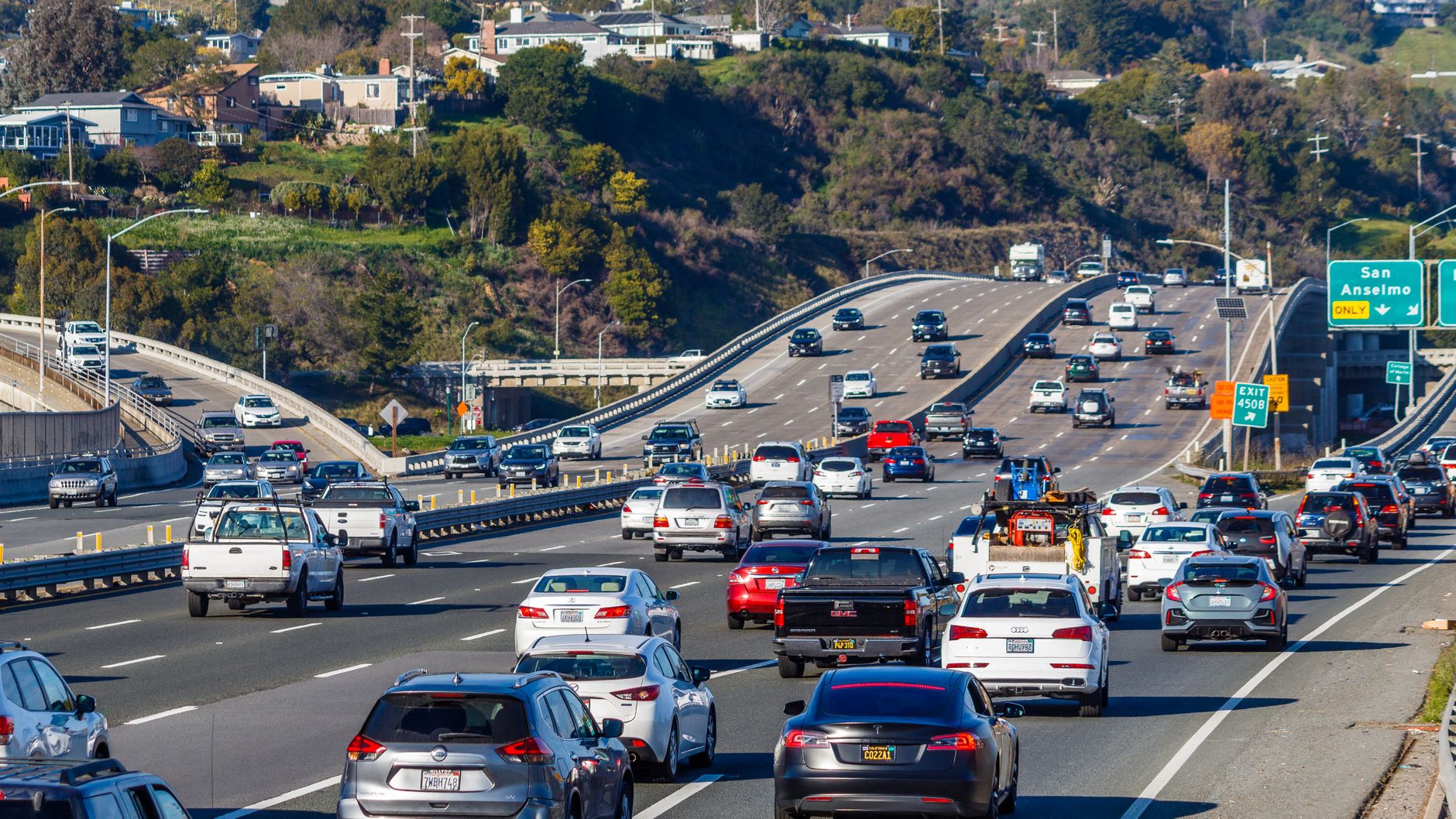
Understanding traffic signs and symbols is crucial for a smooth driving experience, especially when traveling in unfamiliar regions. One such symbol you may come across is “HOV 2+ Only,” indicating specific restrictions and rules for certain lanes on the road. Knowing what this means can help you navigate traffic regulations effectively.
The “HOV” stands for High-Occupancy Vehicle, which refers to vehicles with multiple passengers. When you see the “2+” in conjunction with “HOV,” it signifies that only vehicles carrying two or more persons are allowed to use that particular lane. This guide will provide insight into the purpose of HOV lanes, their benefits, and key points to consider when traveling in areas with such regulations.
What Are High-Occupancy Vehicle (HOV) Lanes?
HOV lanes are specialized lanes on highways designed to promote carpooling, alleviate traffic congestion, and reduce environmental impact from vehicular emissions. By limiting these lanes to vehicles with multiple passengers, officials aim to encourage individuals to share rides, ultimately decreasing the total number of cars on highways.
The benefits of employing these lanes are numerous. On a typical workday, highways can become congested, leading to longer travel times and increased stress for drivers. HOV lanes help reduce this pressure by allowing vehicles with several passengers to navigate through traffic more efficiently.
Understanding the “2+” Designation
The “2+” designation is particularly significant as it indicates that a vehicle must contain at least two occupants to legally drive in the HOV lane. This regulation encourages commuters to carpool, which can be more economical and environmentally friendly. Some regions may have different occupancy requirements (like “3+” or “4+”), and understanding these specifics can help streamline your travel experience.
Here are several important points to remember:
- Single Occupancy Vehicles: If you’re traveling alone, you must remain in the standard lanes, as HOV lanes are strictly limited to qualifying vehicles.
- Compliance: Failing to comply with HOV lane regulations can result in hefty fines, so it’s essential to pay attention to lane signage.
- Operational Times: Some HOV lanes may only enforce passenger requirements during peak hours, allowing solo drivers to utilize them during off-peak times.
Where to Find HOV Lanes
HOV lanes are commonly found on major highways and interstates in urban areas across the United States and Canada. They are often marked by distinct signs and may appear on the left or right side of the highway, depending on the layout of the road.
To familiarize yourself with HOV lanes in a given region, consider these tips:
- Do Your Research: Before starting your trip, it’s helpful to check local traffic advisories or websites that outline HOV lane specifics in your travel area.
- Use Navigation Apps: Many GPS and navigation applications highlight HOV lanes and notify drivers if they are entering or exiting them.
- Observe Signage: Stay alert for the signs indicating the presence of HOV lanes and any restrictions that may apply.
Benefits of HOV Lanes
HOV lanes serve multiple purposes, including:
- Reducing Traffic Congestion: Fewer vehicles on highways lead to improved travel times for those who are carpooling.
- Lowering Vehicle Emissions: Carpooling reduces the number of vehicles on the road, consequently decreasing overall emissions.
- Caveats for Drivers: HOV lanes typically operate more smoothly than general traffic lanes, benefiting drivers with multiple passengers.
Challenges of HOV Lanes
Despite their benefits, HOV lanes also present challenges:
- Limited Accessibility: If you’re traveling alone, you may face longer travel times in regular lanes during peak traffic hours.
- Enforcement Issues: Some individuals may attempt to violate HOV lane regulations by carpooling with unoccupied seats, leading to unfair advantages.
- Changing Regulations: Requirements can vary depending on city and state, making it imperative to be aware of the local laws.
Tips for Using HOV Lanes
Maximizing the advantages of HOV lanes requires careful planning. Here’s how you can make the most of them:
- Plan Your Trip: If you’re considering carpooling, co-ordinate with friends or colleagues to arrange shared travel prior to departure.
- Monitor Traffic Conditions: Utilize traffic apps to check live updates on congestion and HOV lane availability; route yourself properly.
- Pacing: Practice driving as you would in regular lanes; good speed management is essential to navigate both lanes effectively.
Common Misconceptions about HOV Lanes
There are frequent misunderstandings about HOV lanes that can lead to unnecessary frustration:
- All Lanes Are HOV: Not all lanes on a highway are HOV designated, so make sure to check the signs to avoid fines.
- HOV Lanes Are Always Free: In some areas, there may be tolls associated with certain HOV lanes. Understand potential costs before using them.
- More Occupants Equal More Access: While some areas have different passenger limits, always confirm the specific regulations for HOV lanes in your area.
HOV Lane Regulations in Different Regions
The regulations and enforcement of HOV lanes may vary widely between different states or regions:
- California: Often utilizes HOV lanes with varying occupancy requirements; solo drivers may access some lanes during specific hours with a transponder.
- Texas: Features both HOV and HOT (High-Occupancy Toll) lanes, with options for solo drivers willing to pay a toll for lane use.
- New York: Has varying hours of restriction on HOV lanes, requiring proper knowledge of local laws.
Planning Your Trip: Staying Informed
Before venturing out, make sure to plan ahead by:
- Checking Local Laws: Review HOV lane rules specific to your route and respective states.
- Inquiring about Passes: Look into whether your region offers any toll passes or transponders that grant access to certain HOV lanes.
- Considering Ride-Share Options: Many ride-share companies promote carpool services that can help meet HOV requirements.
Navigational Strategies for HOV Lanes
When you’re on the road, navigation strategies can help you make the most out of HOV lanes:
- Familiarize Yourself: Make an effort to understand the roads leading up to major intersections, where HOV lanes often begin and end.
- Use Apps: Leverage navigation apps that alert you of changing traffic conditions and lane designations.
- Safety First: Always check nearby vehicles when transitioning to and from HOV lanes to prevent accidents.
Conclusion
Understanding what “HOV 2+ Only” means and the significance of HOV lanes is vital for a stress-free commuting experience. Whether you’re a visitor to a new state or a local commuter, awareness of HOV lane regulations will save you from costly fines and help promote a smoother travel environment for everyone.
For further travel insights, explore related guides such as what a red and white triangular sign means and the implications of the do not enter sign.