
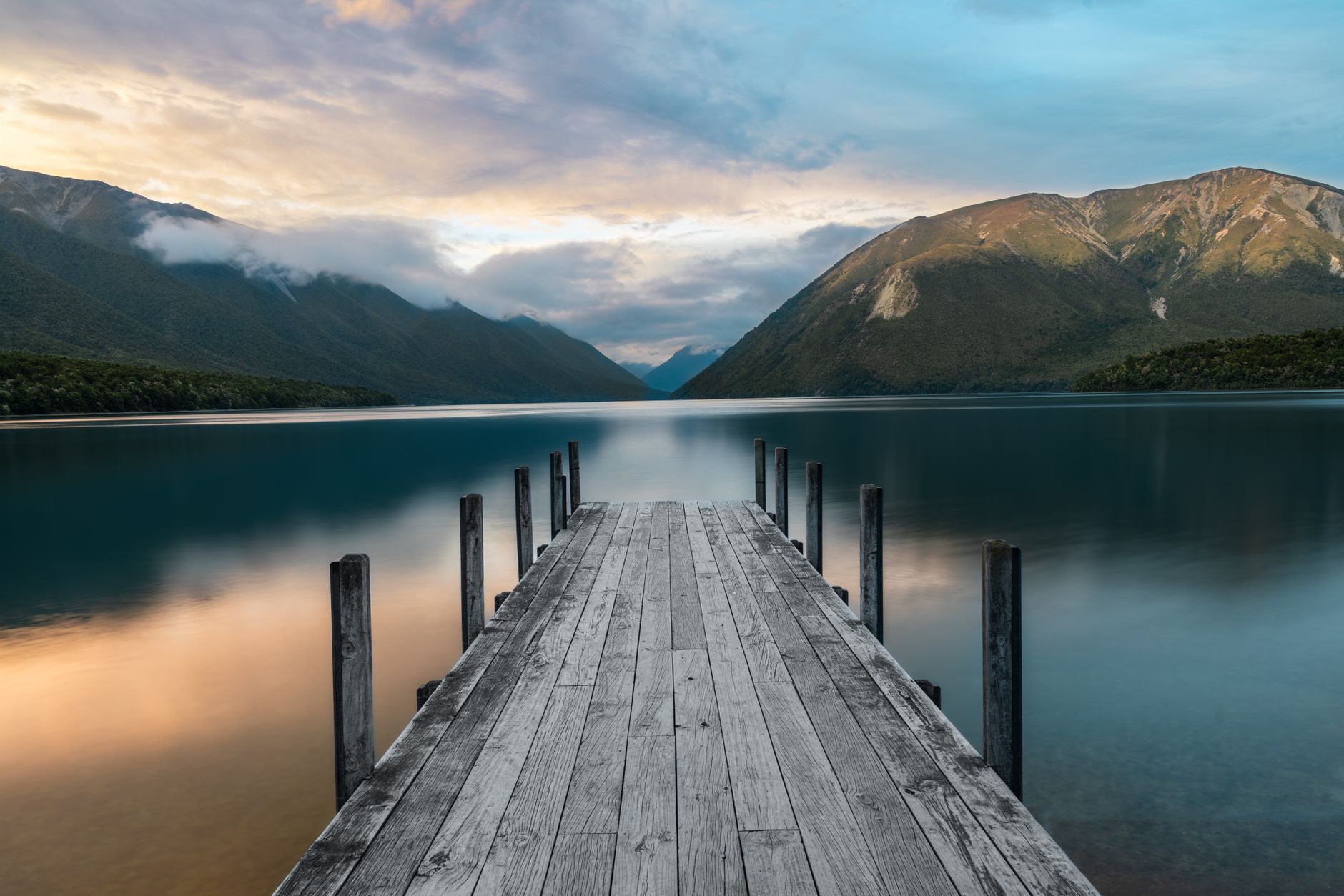
New Zealand is an extraordinary destination known for its breathtaking landscapes, unique culture, and rich biodiversity. From stunning fjords and volcanic terrains to vibrant Maori culture, the country offers an array of attractions that appeal to travelers seeking adventure, relaxation, or cultural experiences.
In this guide, we will explore what makes New Zealand famous, covering everything from its iconic landmarks and outdoor activities to its delectable cuisine and local customs. Whether you’re an avid adventurer or a culture enthusiast, there’s something in New Zealand for everyone.
What Is New Zealand Famous For?
New Zealand is famous for its diverse landscapes, thrilling outdoor activities, rich Maori heritage, and as the filming location for popular movies like “The Lord of the Rings.” It offers a unique blend of culture, adventure, and stunning nature, making it a top travel destination.
Iconic Landscapes
New Zealand is renowned for its stunning natural beauty, featuring a wide array of landscapes. Each region has its unique characteristics, ensuring every traveler can find something that captivates them.
The Fiordland National Park
Fiordland National Park, a UNESCO World Heritage Site, is famous for its dramatic fiords, towering cliffs, and lush rainforests. Milford Sound and Doubtful Sound are two of the most well-known fiords, offering breathtaking views and opportunities for kayaking and scenic cruises. The best way to explore this area is through a guided tour or by renting a car to enjoy the scenic drive.
Aoraki / Mount Cook National Park
This national park is home to the country’s highest peak, Aoraki / Mount Cook, which rises to 3,724 meters. The park is famous for its stunning alpine scenery, great hiking trails, and stargazing opportunities, making it an excellent destination for both adventure seekers and those seeking tranquility.
Rotorua
Known for its geothermal activity and striking landscapes, Rotorua is a hub for Maori culture and adventure tourism. Visitors can explore geysers, hot springs, and mud pools while immersing themselves in the local Maori culture through performances and traditional feasts.
Adventure Activities
New Zealand is a paradise for thrill-seekers and outdoor enthusiasts. The country’s remarkable landscapes offer endless opportunities for adventure sports.
Bungee Jumping
New Zealand is often regarded as the birthplace of bungee jumping. The Kawarau Bridge in Queenstown offers iconic jumps, combining adrenaline with breathtaking views. For those looking for an even higher thrill, consider the Nevis Bungy, which is one of the highest commercial bungee jumps in the world.
Skydiving
Skydiving in New Zealand offers some of the most spectacular views in the world. Queenstown and Taupo are particularly popular, with divers plummeting from 15,000 feet to land amidst stunning landscapes. The breathtaking vistas of lakes, mountains, and valleys make this an unforgettable experience.
Hiking and Trekking
Hiking is a favorite pastime in New Zealand, with plenty of trails ranging from beginner-friendly walks to multi-day treks. The Tongariro Alpine Crossing is one of the most famous hikes, taking trekkers through volcanic landscapes and past stunning emerald lakes.
Cultural Experiences
The rich cultural tapestry of New Zealand comes from its Indigenous Maori population, offering unique experiences that travelers should not miss.
Maori History and Traditions
Understanding the Maori culture is essential when visiting New Zealand. The Maori people are known for their strong connection to the land and rich traditions, including carving, weaving, and storytelling.
Visit a Marae
A marae is a communal or sacred place that serves as a venue for community gatherings. Visitors can join guided tours or cultural experiences that include traditional Maori welcome ceremonies (powhiri), performances (haka), and traditional feasts (hangi). Rotorua and the Northland region are good places to experience a marae visit.
Cultural Performances
Experiencing a cultural performance is a fantastic way to engage with Maori traditions. Many cultural centers, especially in Rotorua, offer performances that include traditional music, haka dances, and storytelling about the rich Maori mythology.
Film Locations
New Zealand’s stunning landscapes have served as the backdrop for many films, most notably Peter Jackson’s “The Lord of the Rings” and “The Hobbit” trilogies.
Movie Tours
Travelers can take film tours to explore iconic sites from these franchises. Locations like Hobbiton in Matamata offer tours of the movie set and an immersive experience into the world of Hobbits. Wellington is another excellent place, called the creative capital of New Zealand, where visitors can find Weta Workshop and other film-related attractions.
Cuisine and Food Culture
New Zealand’s culinary scene is a reflection of its diverse culture, emphasizing fresh, local ingredients and Maori flavors.
Seafood
New Zealand is famous for its seafood, particularly its green-lipped mussels, and Bluff oysters. Coastal towns like Kaikoura offer fresh seafood and fish & chips made from locally caught fish.
Wine
The country is known for its wine regions, with Marlborough being particularly famous for its Sauvignon Blanc. Wine tours are popular in regions such as Hawke’s Bay and Otago, where visitors can sample exquisite wines amidst stunning vineyard views.
Traditional Maori Cuisine
The hangi is a traditional Maori method of cooking food using heated rocks buried in a pit oven. Travelers should take a chance to experience this communal meal, reflecting the cooking traditions of the Maori people.
Nature and Wildlife
New Zealand boasts unique wildlife and natural environments that are not found anywhere else.
Kiwi Bird
The kiwi bird, an iconic symbol of New Zealand, is a flightless bird found only in this country. These nocturnal birds can be seen in various wildlife parks and sanctuaries. Visitors can explore places like the Zealandia ecosystem sanctuary in Wellington for a chance to see kiwi in their natural habitat.
Marine Life
New Zealand’s marine environments are rich with biodiversity. The waters around the Bay of Islands and Fiordland are host to dolphin and whale sightings, as well as opportunities for marine snorkeling and diving adventures.
National Parks
The country is home to several national parks, each offering unique ecosystems. Abel Tasman National Park, with its stunning beaches and coastal tracks, is popular for kayaking and hiking. Tongariro National Park is another famous park, providing a glimpse of geothermal activity and volcanic landscapes.
Travel Logistics
Planning a trip to New Zealand involves selecting the best time to visit, understanding transportation options, and knowing budget considerations.
Best Time to Visit
The best time to visit New Zealand is during its summer months from December to February. This season allows for a broader range of outdoor activities, with warmer temperatures ideal for hiking, beach outings, and sightseeing.
However, the shoulder seasons of spring (September to November) and autumn (March to May) provide great weather with fewer crowds and potentially lower accommodation prices.
Transportation Options
New Zealand offers various transportation options, making it accessible for travelers. Renting a car or campervan is a popular choice, allowing for flexibility and the chance to explore more remote areas. Public transport options, like buses and trains, are also available for intercity travel, though they may not reach remote destinations.
Bike tours and local buses are good local options for exploring cities and surrounding areas. For those flying between islands, consider purchasing an Air New Zealand pass for cost-effective domestic travel.
Accommodation Guide
New Zealand has a range of accommodation options, tailored to various budgets and preferences. From luxury hotels to backpacker hostels and holiday parks, there’s plenty available. In cities, hotels ranging from boutique to budget are abundant, while rural areas offer eco-lodges and charming bed and breakfasts.
Safety and Accessibility
New Zealand is considered a safe destination, but travelers are encouraged to follow common safety precautions. Stay informed about natural hazards, such as earthquakes, and adhere to local guidelines when engaging in outdoor activities.
For families, many attractions and activities cater especially to children, making the country family-friendly. Accessibility options exist at various attractions, ensuring all travelers can enjoy the country’s offerings.
Budgeting for Your Trip
While New Zealand can be an expensive destination, there are ways to budget effectively to make the most of your experience.
- Transportation: Renting a car can save you time and help you explore remote locations.
- Accommodation: Consider backpacker hostels or holiday parks for budget stays. Booking in advance can also help secure better rates.
- Dining: Eating out frequently can add up; look for meal deals, and take advantage of local markets for fresh food and snacks.
- Attractions: Many natural attractions are free, so prioritize outdoor activities and allocate budget for paid experiences, such as tours and cultural performances.
New Zealand is a country that promises diverse experiences, from stunning landscapes and adventure activities to rich cultural encounters. Whether you come for its natural beauty, its thrilling adventures, or its unique Maori history, you’re sure to leave with unforgettable memories. Plan your visit with flexibility, embrace local customs, and prepare for the journey of a lifetime.
Explore related destination guides and travel-planning articles to make the most of your adventures. Check out what Martha’s Vineyard is famous for or learn how far Hawaii is from New York.