
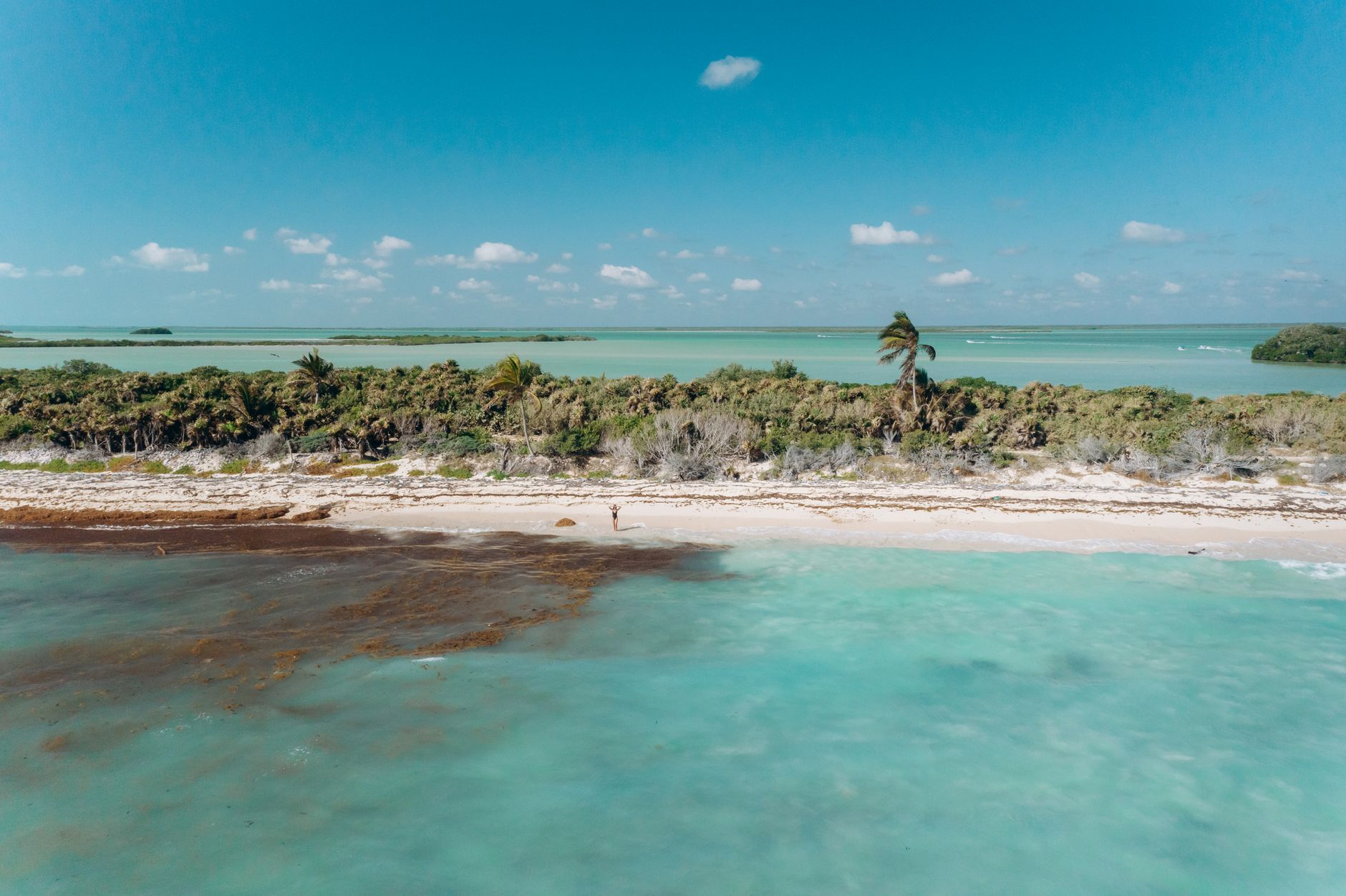
Cozumel, known for its stunning beaches and vibrant coral reefs, attracts travelers seeking sun, sand, and sea. However, it’s faced challenges in recent years with the influx of a marine alga called sargassum. This article delves into whether Cozumel experiences sargassum and how this phenomenon affects your travel experience.
Understanding the impact of sargassum on Cozumel is crucial for anyone planning a trip. This guide will explore the causes of sargassum blooms, the times of year Cozumel is most affected, and what visitors can do to mitigate their experience with this seaweed.
Does Cozumel Get Sargassum?
Yes, Cozumel does experience sargassum. While the frequency and intensity of sargassum can vary by season, certain months see a more substantial presence. Travelers should be aware of this issue when planning their beach activities or vacations on the island.
Understanding Sargassum
Sargassum is a type of brown seaweed that floats in large mats on the ocean surface. This floating algal bloom thrives in warm, nutrient-rich waters and can affect coastlines from the Caribbean to the Gulf of Mexico.
While sargassum plays a vital role in marine ecosystems, supporting various forms of marine life, its excessive accumulation can significantly disrupt beachgoers’ experiences. It can emit an unpleasant odor when decomposing and may hinder swimming or sunbathing activities.
Why Sargassum Blooms Occur
Several factors contribute to the increases of sargassum in the Caribbean. These include nutrient runoff from agricultural practices, changing oceanic currents, and climate change. Specifically, excess nutrients from fertilizers can promote rapid algal growth, resulting in large floating masses.
Additionally, climate change can alter ocean temperatures and currents, facilitating the movement of sargassum from its natural habitats to coastal areas where tourists frequent.
Seasonal Patterns of Sargassum in Cozumel
Sargassum’s presence in Cozumel varies significantly throughout the year. Understanding these seasonal patterns can help travelers choose the best time to visit.
High Season (April to August)
The high season for sargassum typically occurs from April to August, with peaks in May and June. During this period, visitors may notice a more significant presence of sargassum along the beaches. Resort staff often work diligently to clear it from shorelines, but accumulations can still affect beach access.
Low Season (September to March)
From September to March, sargassum levels usually decrease, making it an ideal time for beach activities. More favorable weather conditions also contribute to pleasant beach experiences during these months, with fewer crowds as well.
How Sargassum Affects Travel to Cozumel
The impact of sargassum on travel to Cozumel varies depending on the time of year and specific beach locations. Travelers should consider a few key aspects when planning their trips.
Beach Accessibility
Beaches like Playa Palancar, Playa Santa Rosa, and the resorts along the western shores often experience varying levels of sargassum. While resorts strive to keep beaches clean, visitors may encounter patches of seaweed, particularly during peak bloom periods.
Swim Conditions
Heavy sargassum can affect swimming conditions by creating obstacles in the water. While many resorts maintain swim areas free from sargassum, visitors should remain vigilant and check with local guides or hotel staff regarding sea conditions.
Odor and Aesthetic Impact
The decomposition of sargassum can create an unpleasant smell, particularly in areas with thick accumulations. This can deter visitors and affect the overall experience, especially for those looking forward to relaxed beach days.
Travel Tips to Navigate Sargassum in Cozumel
To enhance your travel experience and lessen the impact of sargassum, consider the following tips:
- Check Current Conditions: Before your trip, research sargassum reports for Cozumel. Local news and beach monitoring websites can provide updates and help you plan accordingly.
- Choose Your Beaches Wisely: Opt for resorts or beaches that are known for regular sargassum management. North and west-facing beaches tend to have fewer issues compared to those on the southern coast.
- Be Flexible with Plans: If faced with sargassum, consider alternate activities such as snorkeling, diving, or inland excursions to explore Cozumel’s unique landscapes.
- Visit During Low Season: If you can, plan your visit between September and March for the best chances of minimal sargassum presence.
- Use Local Resources: Work with local tour operators who can provide guidance on the best swimming spots and alternate activities if beach conditions aren’t ideal.
Alternative Activities in Cozumel
Whether dealing with sargassum or simply seeking to diversify your experience, Cozumel offers a range of activities beyond beach lounging. Here’s how you can enjoy your time on this beautiful island:
Diving and Snorkeling
Cozumel is renowned for its stunning coral reefs, part of the Mesoamerican Barrier Reef System. World-class dive sites like Palancar Reef and Colombia Reef abound with vibrant marine life. Snorkeling is equally rewarding, with numerous spots accessible from shore or through guided tours.
Cultural Exploration
Take time to explore Cozumel’s rich cultural heritage. Visit the San Gervasio Mayan Ruins to learn about the island’s ancient civilization, or join a guided tour to experience local traditions, cuisine, and art.
Island Ecology Tours
Discover Cozumel’s lush inland areas through ecological tours. Explore nature trails, mangrove forests, and the unique fauna that inhabit the island. Bird watchers will find plenty of opportunities to observe local and migratory species.
Adventure Sports
For thrill-seekers, Cozumel offers a wide range of adventure activities. Ziplining through the jungle, ATV tours, and eco-parks like Xplor provide exciting ways to explore the island’s natural beauty.
Culinary Delights
Don’t miss out on Cozumel’s delicious local cuisine. From traditional Mexican dishes to fresh seafood dining, culinary experiences can vary from casual street food to upscale restaurants. Engage with local chefs or participate in a cooking class for an immersive experience.
Accommodation Options
Cozumel boasts a variety of accommodation options catering to different traveler needs. However, considering sargassum conditions can influence your choice. Here’s what to look out for:
All-Inclusive Resorts
For those seeking convenience, all-inclusive resorts provide great amenities and services. Look for resorts with a dedicated beach team that actively maintains their shorelines, ensuring guests enjoy clean beach access.
Private Rentals
Vacation rentals and Airbnb options may offer the flexibility of private beach access. Choose locations favoring northern or western shorelines for better chances of avoiding sargassum.
Budget Accommodations
Hostels and budget hotels can provide affordable options without compromising comfort. Look out for properties located near resorts known for good beach management.
Transportation in Cozumel
Getting around Cozumel is relatively easy, whether utilizing local taxis, rental cars, or bike rentals. Here’s what you need to know:
Taxis
Taxis are readily available on the island and offer a convenient option for travelers. Always confirm the fare before starting your journey, as most taxis don’t use meters.
Car Rentals
Renting a car can provide flexibility for exploring the island and exploring lesser-known beaches. Ensure to book with reputable rental agencies and make reservations in advance during peak travel season.
Bicycles and Scooters
Biking is a popular choice in Cozumel. Numerous rental shops offer bicycles and scooters, allowing travelers to enjoy the scenic views at their own pace. Take advantage of the designated bike paths for a safe experience.
When to Visit Cozumel
Choosing the right time to visit Cozumel is crucial for maximizing your experience and minimizing sargassum encounters. Here’s a breakdown of the best times to go:
Peak Season (December to March)
The winter months generally see a high influx of tourists, with ideal weather conditions. While there may still be some sargassum, water clarity and temperatures are typically more favorable for diving and snorkeling.
Shoulder Season (April to June)
This period marks the beginning of the sargassum season. While the weather remains pleasant, it’s essential to consider potential sargassum blooms and plan accordingly.
Off-Peak Season (September to November)
Visiting during the fall can provide a great opportunity for lower hotel rates and fewer crowds. Sargassum is typically less prevalent during these months, although weather conditions can be more variable.
Budget Considerations
Managing your budget effectively can enhance your overall travel experience in Cozumel. Here are some budgeting tips:
- Food and Drinks: Enjoy local eateries and street food stalls for affordable, delicious meals. Many restaurants offer lunch specials and happy hour deals.
- Attractions: Look into combo tickets that provide access to multiple attractions at a discounted price. Consider free activities such as beachcombing and exploring local parks.
- Transportation: Utilize public transportation where possible, as taxis and rentals can add up quickly. Car rentals can be more cost-effective for larger groups.
Final Thoughts
Cozumel is a beautiful destination with a wealth of activities and experiences to offer. While sargassum can pose challenges, being informed and flexible can help travelers navigate these occurrences successfully. By planning your visit wisely and engaging in alternative activities, you can enjoy all that Cozumel has to offer.
As you explore this beautiful island, consider checking out more information on travel experiences, including insights on Mexico’s Caribbean coast and details regarding October weather in Cancun.