
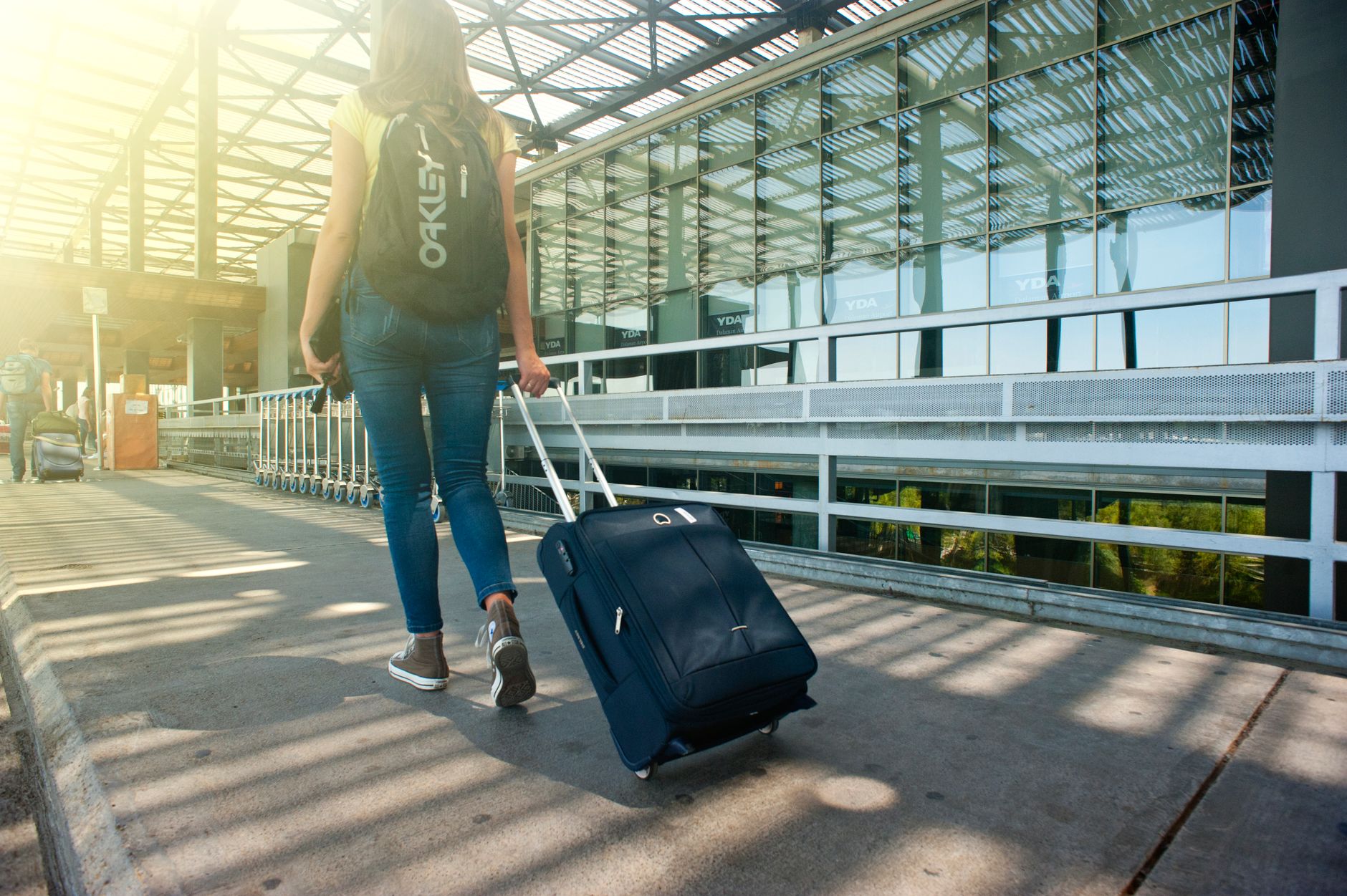
When preparing for air travel, one of the most common questions travelers face is regarding luggage allowances, specifically, “Can I have 2 carry-on bags?” Understanding the rules and restrictions around carry-on baggage is essential for any traveler to ensure a smooth airport experience. This detailed guide will help clarify carry-on policies and answer any related queries to make your travel less stressful.
In this article, we’ll explore the general guidelines surrounding carry-on luggage, the distinction between carry-on bags and personal items, airline-specific policies, tips for managing your bags at the airport, and practical packing advice to maximize space in your carry-ons.
Can I Have 2 Carry On Bags?
The short answer is: it depends on the airline you are flying with. Most airlines permit one carry-on bag and one personal item for free, but policies vary. Some airlines may allow you to pay for an additional carry-on. It’s crucial to verify the guidelines with your specific airline before traveling.
Understanding Carry-On Bags and Personal Items
To better navigate airline policies, it’s essential to differentiate between a carry-on bag and a personal item.
What is a Carry-On Bag?
A carry-on bag is generally defined as a larger piece of luggage that you intend to bring aboard the aircraft. Common examples include wheeled suitcases, duffel bags, and larger backpacks. Most airlines have size restrictions that usually allow for dimensions up to 22 x 14 x 9 inches (56 x 36 x 23 cm), including any wheels and handles.
What is a Personal Item?
A personal item is a smaller bag that you can store under the seat in front of you. This typically includes items like purses, laptop bags, or small backpacks. Airlines often specify dimensions for personal items, which generally shouldn’t exceed 18 x 14 x 8 inches (45 x 35 x 20 cm).
Airline-Specific Carry-On Policies
Each airline has its own rules regarding carry-on luggage. Here’s an overview of policies from some major U.S. airlines:
- American Airlines: Permits one carry-on and one personal item. The carry-on must not exceed 22 x 14 x 9 inches.
- Delta Air Lines: Allows one carry-on and one personal item, with similar size restrictions as American Airlines.
- United Airlines: Also allows one carry-on plus a personal item. Carry-on dimensions should not exceed 22 x 14 x 9 inches.
- Southwest Airlines: Allows one carry-on and one personal item, both subject to specific size limits.
- Spirit Airlines: Charges for carry-on bags unless you have purchased a specific fare type. Personal items must fit under your seat.
- Frontier Airlines: Similar to Spirit, they charge for carry-on bags, allowing only a smaller personal item for free.
It’s crucial to read your airline’s specific regulations, as budget carriers tend to be more stringent on baggage allowances. For example, while Southwest allows two bags free, Spirit includes fees for all but personal items.
What to Do If You Want to Bring Two Carry-On Bags
If you are keen on traveling with two bags, here are some strategies to consider:
1. Check for Extra Paid Allowances
Many airlines offer the option to pay for an additional carry-on bag. This is especially common among low-cost carriers. Be sure to check and book this service when purchasing your ticket, or during check-in, to avoid hefty fees at the airport.
2. Consider an Alternative Personal Item
You may be able to use an oversized personal item as a second carry-on. For instance, larger laptop bags or backpacks can sometimes accommodate more than you’d think. Ensure the dimensions are within limits, but maximize what you can carry effectively.
3. Optimize Your Bags
Efficient packing is important. Use packing cubes or compression bags to make the most out of your carry-on space. Rolling clothes instead of folding them can also save space while preventing wrinkles.
Tips for Managing Carry-On Bags at Airports
Once you’re at the airport, the handling of your carry-on bags comes into play. Follow these tips for a smooth experience:
1. Be Prepared for Security
Each airport has a security screening process, and understanding it can save you time. Be ready to remove your laptop and other electronic devices from your bag. Place liquids in a clear, quart-sized bag, and know the 3-1-1 rule for liquids: each container should be no larger than 3.4 ounces (100 ml), and all containers must fit into one quart-sized bag.
2. Prioritize Accessibility
Keep important items like travel documents, medication, and valuables easily accessible. Consider using an external pocket of your carry-on to store these items during your travel.
3. Utilize Overhead Bin Space Wisely
When choosing where to place your bag in the overhead bin, be considerate of other passengers. Ensure your bag is securely stored and take a moment to organize the space to fit your and others’ bags neatly.
Packing Smart: Strategies for Maximal Carry-On Efficiency
Efficient packing can transform your travel experience, especially when working within tight carry-on limits. Consider these packing strategies:
1. Clothing Choices
Select versatile clothing that can be mixed and matched. Choose items that can layer effectively, such as lightweight sweaters or jackets that don’t take up much space. Aim for wrinkle-resistant fabrics that dry quickly, allowing you to wash and wear if necessary.
2. Use Multi-Functional Items
Consider travel-friendly items that can serve multiple purposes. A pashmina can work as a scarf, blanket, or beach cover-up. Shoes that can transition from hiking to dining can save space.
3. Minimize Toiletries
Toiletries can take up unnecessary space. Use travel-sized containers and prioritize only the essentials. Look for multi-purpose products like a combined shampoo and conditioner or a moisturizer with SPF.
What Happens if You Bring More Than One Carry-On?
Exceeding the carry-on allowance can lead to several consequences:
1. Fees
Airlines may charge fees for bags that exceed their stated limit. Be prepared for these costs if you try to carry more than allowed.
2. Forced Check-In
If your bags don’t meet airline requirements, you could be forced to check-in a bag at the gate, which can be time-consuming and may result in lost luggage.
3. Increased Stress
Managing multiple bags can lead to increased travel stress. Ensuring that your travel is smooth and hassle-free is crucial, and sticking to the allowed luggage can help.
Essential Reminders Before You Fly
Before you head to the airport, here are a few quick reminders to ensure your carry-on experience is as pleasant as possible:
- Double-check your airline’s carry-on policy.
- Weigh your bags to ensure they meet weight restrictions.
- Pack your bags for easy access during security screening.
- Arrive early to allow ample time for check-in and security.
Final Thoughts on Traveling with Carry-On Bags
The answer to whether you can have two carry-on bags is predominantly governed by your airline’s policies. Understanding the guidelines helps you avoid unnecessary fees, check-ins, and stress. An efficient packing strategy, combined with effective navigation of airport logistics, ensures your travel is enjoyable.
For further assistance with carry-on policies, check out articles like Can I Bring a Carry-On and a Backpack? for additional tips on optimizing your luggage for travel. Also, if you are flying with Frontier, find out how big a personal item can be on Frontier to stay well-informed on the finer details of packing for your trip.