
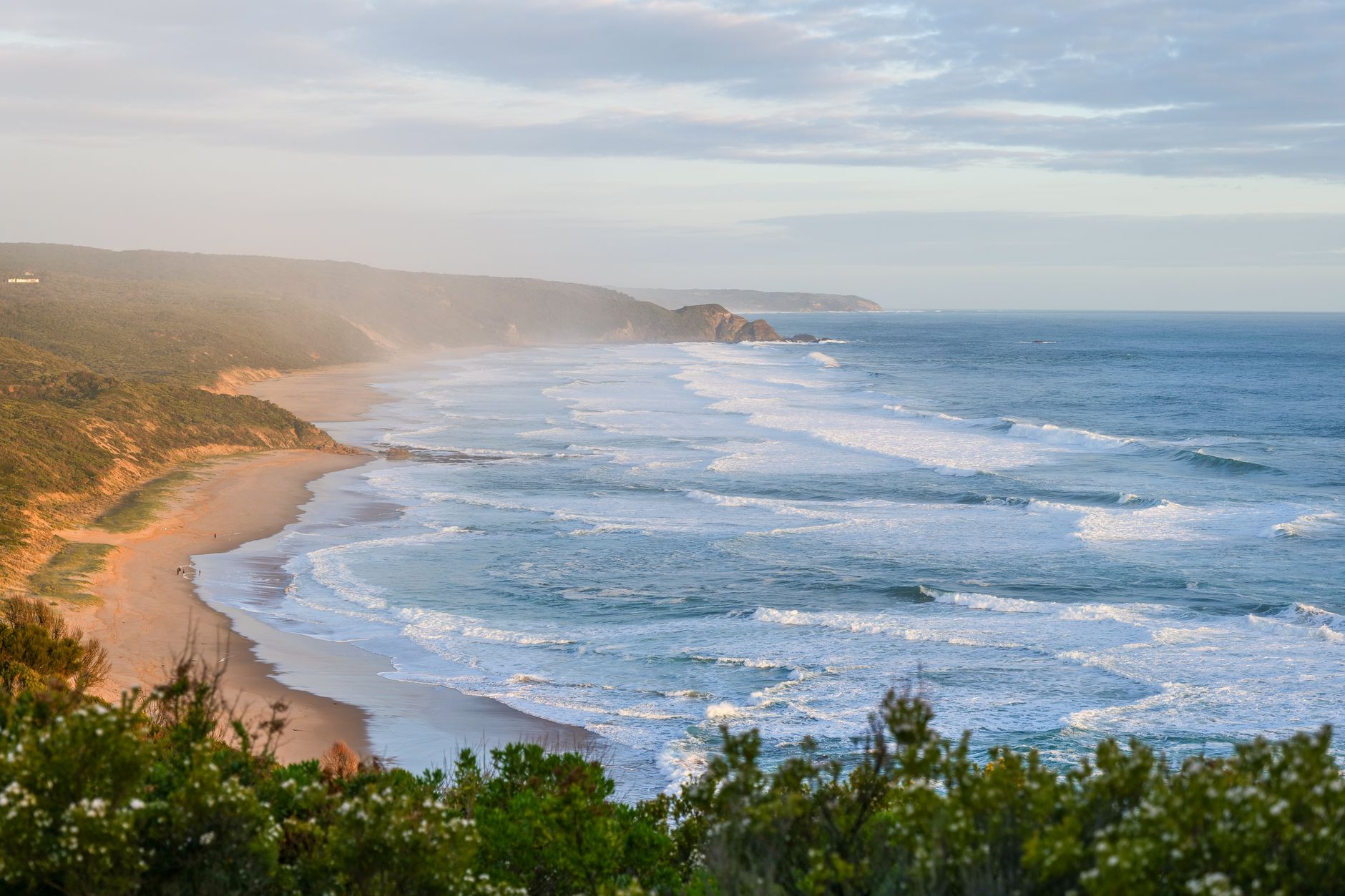
Australia is a land of diverse landscapes, unique wildlife, and vibrant cities, making it a captivating destination for travelers. Knowing when to visit plays a vital role in planning your adventure in this vast country. Factors such as weather, events, and tourism trends greatly influence the experience you can expect during your trip.
Whether you prefer balmy summer days by the beach, cooler autumn weather for hiking, or the excitement of major festivals, this guide outlines the best times to go to Australia based on various preferences and itineraries. Let’s dive in!
When Is the Best Time to Go to Australia?
The best time to visit Australia typically spans from late spring to early autumn, or from October to April. During this period, most regions experience pleasant temperatures and an array of outdoor activities. However, it’s vital to note that Australia is huge and varies geographically, which affects local weather patterns.
Seasons Breakdown
- Spring (September to November): Warm weather begins, with blooming wildflowers and clear skies. It’s an excellent time for hiking and outdoor events, especially in the southern parts.
- Summer (December to February): The warmest season with plenty of beach activities and festivals. However, temperatures can soar, particularly in the northern states.
- Autumn (March to May): Mild temperatures and fewer crowds make this a splendid time to explore wine regions and coastal towns.
- Winter (June to August): Cooler weather favours skiing in the alpine regions. Major cities are less crowded, and prices may drop.
Understanding Australia’s Climate
Australia’s climate is highly variable due to its size and geography, generally divided into several key zones:
- Tropical: The north end, featuring wet and dry seasons. Rain can be heavy from November to April, affecting travel plans.
- Desert: Central Australia endures extremes with cold nights in winter and scorching summers. Best visited in cooler months.
- Temperate: The southern regions have four distinct seasons, with the most stable weather in spring and autumn.
Regional Considerations
When planning a visit to Australia, consider the specific regions you’ll be exploring and tailor your travel dates accordingly:
Eastern Australia
Encompassing iconic cities like Sydney and Brisbane, and renowned destinations such as the Great Barrier Reef and the Blue Mountains, eastern Australia offers stunning coastal views and vibrant nightlife.
- Best Time to Visit: October to April for beach activities; June to August for fewer crowds and cheaper accommodation.
Southern Australia
Home to Melbourne and Adelaide, southern Australia features cooler weather. This region is renowned for its wine regions and cultural festivals.
- Best Time to Visit: March to May for autumn foliage and local festivals; December to February for summer activities.
Northern Australia
Comprising tropical highlights like Darwin and Kakadu National Park, this region is popularly explored during the dry season when weather conditions are more pleasant.
- Best Time to Visit: May to October to evade the heavy rains and humidity.
Central Australia
An arid region that includes landmarks like Uluru, central Australia’s climate demands consideration of extreme temperatures. Ideal for outdoor activities.
- Best Time to Visit: May to September when temperatures are milder, making for comfortable exploration.
Must-See Events and Festivals
Australia has numerous festivals and events throughout the year that reflect its cultural diversity. Planning your visit around these can enhance your experience:
New Year’s Eve in Sydney
The Sydney Harbour fireworks display is one of the world’s most famous. It attracts thousands to the waterfront, providing a vibrant atmosphere.
Australian Open
This major tennis tournament takes place in Melbourne each January, boasting a thrilling atmosphere both on and off the court.
Vivid Sydney
A spectacular light and music festival held each May, showcasing stunning light installations across the city, alongside music performances.
Woodford Folk Festival
Held from December 27 to January 1, this event features music, dance, and arts, transforming the region into a cultural hub.
Suggested Length of Stay
The ideal length of stay in Australia can vary based on the regions you wish to explore. A realistic timeframe is:
- 10-14 days: A great duration to explore the East Coast, including cities like Sydney, Melbourne, and Brisbane.
- 3-4 weeks: Beneficial for covering multiple regions, such as Northern Australia and the Great Barrier Reef.
- One Month+: Perfect for those wishing to delve deeper or visit remote areas.
Budget Considerations
Travel costs in Australia can vary drastically based on the time of year, choice of activities, and accommodation preferences. Here are some budget tips:
- Accommodation: Prices can skyrocket during peak tourist seasons (especially summer). Consider booking in advance or traveling during shoulder seasons for better rates.
- Transport: Domestic flights are often the fastest way to cover long distances. However, consider buses or car rentals for flexibility and local experience.
- Dining: While high-end dining is a treat, local markets and food trucks offer delightful, budget-friendly options.
Getting To Australia
International travelers can reach Australia via major airports in cities like Sydney, Melbourne, and Brisbane. While flights may be long, the country is well-connected with numerous airlines offering direct and stopover options.
Visa Requirements
Before travel, ensure you verify the visa requirements based on your nationality. Most visitors need an Electronic Travel Authority (ETA) or an eVisitor visa.
Transportation Guide
Getting around Australia can be efficiently managed through various modes of transport:
- Domestic Flights: Ideal for long distances; frequently traveling between major cities and some regional destinations.
- Trains: Scenic train rides, like the Indian Pacific, make for unique experiences while spanning impressive landscapes.
- Public Transportation: Buses and trains in urban areas are reliable and budget-friendly.
- Car Rentals: Provides flexibility for road trips, particularly along coastal routes and in outback areas.
Where to Stay
Your accommodation will significantly influence your stay. Consider location, pricing, and your travel style:
Backpackers and Budget Travelers
Hostels, budget hotels, or Airbnb can be found in cities like Sydney and Melbourne, catering to more youthful travelers looking for social activities.
Mid-Range Travelers
Hotels and motels often serve families and couples, offering comfort without breaking the bank. Look for options with kitchenettes for meal preparation.
Luxury Seekers
For a lavish experience, explore luxury hotels with amenities and stunning views of Australia’s remarkable landscapes.
Safety Considerations
Australia is generally a safe travel destination; however, practicing common sense is always wise:
- Wildlife: Keep a safe distance from snakes and marine life while enjoying the great outdoors.
- Sun Protection: Australia’s sun can be intense—use sunscreen and wear protective clothing, especially during summer.
- Emergency Services: Familiarize yourself with local emergency numbers and warnings before exploring remote areas.
Packing Guide
What to pack for your Australian trip mainly depends on the seasons and regions you’ll visit. Here’s a simple list to keep in mind:
- Summer Essentials: Light clothing, swimwear, sunblock, and sunglasses.
- Winter Necessities: Layers, a warm jacket, and a pair of sturdy shoes for exploration.
- Outdoor Gear: If you plan to hike or camp, pack a good pair of hiking boots, a water bottle, and a first-aid kit.
- Adapters: Australia uses Type I power plugs, so ensure you have the right adapters for electronic devices.
Activities and Things to Do
Australia is packed with activities for varying interests from adventure seekers to culture enthusiasts:
Beach Activities
Visit Gold Coast for surfing, Bondi Beach for sunbathing, or the Great Barrier Reef for snorkeling and scuba diving.
Outdoor Adventures
Explore the natural wonders with hikes in national parks like Kakadu and the Blue Mountains for stunning views and unique wildlife.
Cultural Experiences
Discover Aboriginal culture through guided tours and exhibitions, or visit museums in major cities to gain insight into the country’s history.
Unique Wildlife Encounters
Visit wildlife sanctuaries to see kangaroos, koalas, and other native animals up close, or plan a trip to Kangaroo Island for a more natural experience.
Practical Planning Tips
Here are essential tips to consider when organizing your Australian adventure:
- Book in Advance: Secure transport and accommodation early, especially during peak times.
- Be Weather-Prepared: Stay informed about climate conditions for your travel dates.
- Stay Hydrated: Particularly in warmer regions and desert areas.
Australia is a captivating destination that presents a varying experience depending on the season you visit and the regions you explore. When planning your trip, consider your personal interests, budget, and the local climate to find the ideal time for your Australian adventure. Remember to check all travel advisories and details before you finalize your travel plans.
Explore more about your travels by checking out our destination guides and articles, like when is October a good time to go to Hawaii or is September a good time to go to Puerto Rico.