
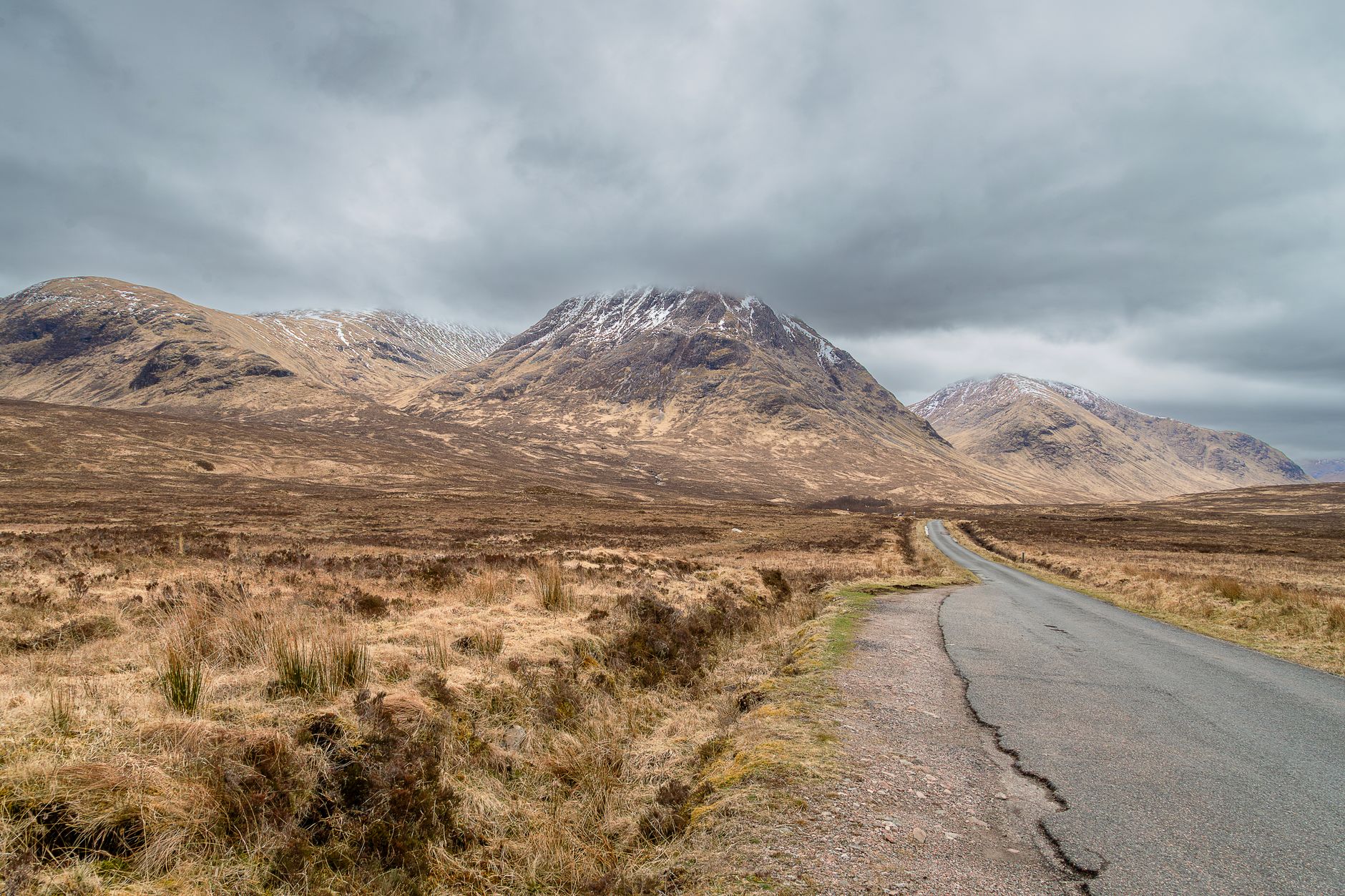
Scotland is a country rich in history, breathtaking landscapes, and vibrant culture. Its diverse offerings cater to a variety of travelers, from history buffs to nature enthusiasts. This guide provides essential information on what to visit in Scotland, including key attractions, practical travel tips, and insights into the best times to explore this stunning destination.
From the bustling streets of Edinburgh to the rugged coastlines of the Highlands, this article will help you plan an unforgettable trip to Scotland. We’ll explore various regions, giving you the tools to create the itinerary that suits your interests and travel style.
What to Visit in Scotland?
Scotland boasts a range of activities and attractions, including historic castles, scenic landscapes, and vibrant cities. The best areas to visit include Edinburgh, the Highlands, the Isle of Skye, and the Scottish Borders, each offering unique experiences and sights.
Edinburgh: A Blend of History and Culture
Edinburgh, Scotland’s capital city, is a must-visit for any traveler. It is known for its historical landmarks and stunning architecture. The city’s compact layout makes it easy to navigate on foot, allowing you to immerse yourself fully in its culture.
- Edinburgh Castle: Dominating the skyline, this ancient fortress is home to the Honours of Scotland (the Scottish crown jewels) and the Stone of Destiny. Take a guided tour to learn about its history.
- The Royal Mile: This historic street runs through the heart of the city, connecting the castle to the Palace of Holyroodhouse. It’s lined with shops, restaurants, and attractions.
- Arthur’s Seat: An extinct volcano located in Holyrood Park, it provides stunning views of the city and surrounding landscapes. A relatively straightforward hike, it offers a great outdoor experience.
- National Museum of Scotland: Perfect for history enthusiasts, this museum showcases Scotland’s heritage and culture, with exhibits covering everything from prehistoric times to modern art.
- Whisky Tours: Edinburgh has many distilleries where you can learn about whisky production and, of course, enjoy tastings.
Accommodation in Edinburgh
Edinburgh offers a wide range of accommodation options from luxury hotels to budget hostels. The Old Town and New Town areas are ideal for staying close to popular attractions.
The Scottish Highlands: Majestic Landscapes
The Highlands are known for their stunning natural beauty, rugged mountains, and deep lochs. This region is perfect for outdoor enthusiasts and those seeking tranquility in nature.
- Loch Ness: Famous for the legend of its monster, Loch Ness is a great spot for boat tours and picturesque views. Visit the nearby Urquhart Castle for some history along with the scenery.
- Ben Nevis: The highest peak in the UK, Ben Nevis is popular among hikers. The summit offers breathtaking views but requires preparation for changing weather conditions.
- Glen Coe: Known for its dramatic landscapes, this valley is a popular destination for hiking, photography, and exploration. Explore the hiking trails and witness its natural beauty.
- Isle of Skye: Connected to the mainland by a bridge, the Isle of Skye is famed for its rugged landscapes, medieval castles, and whiskey distilleries.
- Fort William: The outdoor capital of the UK, Fort William is ideal for cycling, mountain climbing, and exploring nearby attractions.
Getting Around the Highlands
The Highlands can be explored by car, bus, or guided tour. Renting a car is recommended for visiting remote areas. Make sure you check road conditions, as some routes may be affected by seasonal weather changes.
The Isle of Skye: A Breathtaking Adventure
The Isle of Skye is one of Scotland’s most picturesque and celebrated destinations. Known for its rugged landscapes and rich folklore, it features numerous attractions and outdoor activities.
- Fairy Pools: These enchanting natural pools attract visitors for hiking and photography. The area is known for its crystal-clear waters and surrounding hills.
- The Old Man of Storr: A famous rock formation that offers a striking landscape and excellent hiking opportunities. The path provides spectacular views over the island.
- Neist Point Lighthouse: Located on the westernmost tip of Skye, the lighthouse offers stunning coastal views and serves as a great spot for whale watching.
- Talisker Distillery: Tour one of Scotland’s oldest distilleries and sample the unique whisky produced here.
- Dunvegan Castle: The ancestral home of the Clan MacLeod, this castle is surrounded by beautiful gardens and offers insights into Scottish history.
Accommodation on the Isle of Skye
The Isle of Skye has a range of lodging options from luxury hotels to cozy bed and breakfasts. Portree, as the largest settlement, is an excellent base for exploring the island.
The Scottish Borders: A Historical Journey
The Scottish Borders is renowned for its rolling hills, picturesque towns, and historical sites. It’s an area of Scotland that offers a more tranquil atmosphere compared to the busier tourist spots.
- Melrose Abbey: A stunning ruin that dates back to the 12th century, Melrose Abbey is an important historical site and a fine example of Gothic architecture.
- Jedburgh Abbey: Another remarkable abbey, known for its impressive stonework and rich history. The town of Jedburgh itself has charming streets and shops.
- Scott’s View: A scenic viewpoint that offers spectacular views over the River Tweed and is associated with the famous poet Sir Walter Scott.
- Hawick: Known for its textile heritage, visitors can explore local shops and learn about the town’s history in museums.
- Dryburgh Abbey: A peaceful site nestled along the banks of the River Tweed, perfect for a quiet afternoon stroll.
Transportation in the Scottish Borders
The Scottish Borders can be accessed by train from Edinburgh or by bus. Renting a car is advisable for exploring more remote areas. The region’s scenic drives offer a delightful way to see the countryside.
When to Visit Scotland
The best time to visit Scotland largely depends on your interests, though the country’s weather can be unpredictable year-round.
- Spring (March to May): Mild temperatures and blooming flowers make this a lovely time to visit. Great for outdoor activities and fewer crowds.
- Summer (June to August): This is peak tourist season, with the warmest weather. It’s an excellent time for festivals and outdoor exploration, although some areas can get crowded.
- Autumn (September to November): The fall foliage provides stunning scenery. It’s a great time for fewer tourists and moderate weather, ideal for hiking and sightseeing.
- Winter (December to February): While colder, winter offers a magical atmosphere around Christmas. Popular destinations may include winter sports in the Highlands.
Budget Considerations for Your Trip
Your budget for visiting Scotland can vary based on accommodation choices, activities, and dining preferences. Here are some budget considerations:
- Accommodation: Prices can range from budget hostels to luxury hotels. Look for deals and be flexible with travel dates to find better rates.
- Transportation: Public transport is available but can add up. Consider a rail pass or renting a car for more flexibility, especially in rural areas.
- Dining: Eating out can be pricey. Consider dining at local pubs for affordable, hearty meals and the option to try traditional Scottish cuisine.
- Attractions: Many historical sites have entrance fees. Research in advance to find combined tickets or discounts.
- Activities: Budget for guided tours if preferred, but also plan for hiking and exploring free natural attractions.
Practical Travel Tips
Here are some practical tips to make your trip to Scotland efficient and enjoyable:
- Pack Layers: The weather can change quickly, so pack layers and be prepared for rain. Waterproof clothing and sturdy hiking shoes are essential.
- Travel Insurance: Consider purchasing travel insurance to cover unexpected cancellations or medical needs.
- Currency: Scotland uses the British pound. Have some cash on hand, but most places accept cards.
- Local Etiquette: Scots are friendly, and politeness goes a long way. Try to learn a few basic Gaelic phrases to enhance your experience.
- Stay Connected: Wi-Fi is available in most urban areas, but data plans for your mobile devices may be useful, especially when traveling to remote regions.
Accessibility Considerations
Scotland is generally accessible, though some areas, especially in the Highlands, may present challenges due to rugged terrain. Many train stations and public transport services are wheelchair accessible. However, it’s wise to check specific locations before your visit.
Family-Friendly Activities in Scotland
Scotland is a great destination for families, offering diverse activities suitable for all ages:
- Edinburgh Zoo: Home to over a thousand animals, it’s a fun day out and educational for kids.
- Highland Wildlife Park: An opportunity to see native wildlife like red deer and Scottish wildcats in a natural setting.
- Interactive Museums: Many museums in cities like Glasgow and Edinburgh have hands-on exhibits designed for children.
- Castle Visits: Exploring castles provides an adventure and a glimpse into Scotland’s history, often with guided tours to engage young minds.
- Outdoor Adventures: Activities like hiking, cycling, and nature walks can be tailored to suit family fitness levels.
Solo Travel in Scotland
Scotland is a welcoming destination for solo travelers. Its cities are generally safe and easy to navigate. Here are some tips for solo travel:
- Join Tours: Opt for guided tours or group activities, which can be a great way to meet fellow travelers.
- Stay in Hostels: Budget accommodations often provide opportunities for socializing and connecting with other travelers.
- Public Transport: The public transportation system is extensive; use it to reach both urban and rural destinations while enjoying scenic views.
- Safety Tips: Remain vigilant but enjoy exploring. It’s still advisable to follow common safety guidelines and stay aware of your surroundings.
Whether you’re delving into the vibrant culture of Edinburgh, exploring the stunning highlands, or tracing the footsteps of history in the Scottish Borders, Scotland promises a wealth of experiences that will captivate any traveler. With careful planning, you can tailor your visit to ensure it’s both enjoyable and unforgettable.
To further your exploration, consider checking out our guides on what to wear in Iceland in December and what to wear in Banff in August for detailed packing tips tailored to your upcoming adventures. Happy travels!