
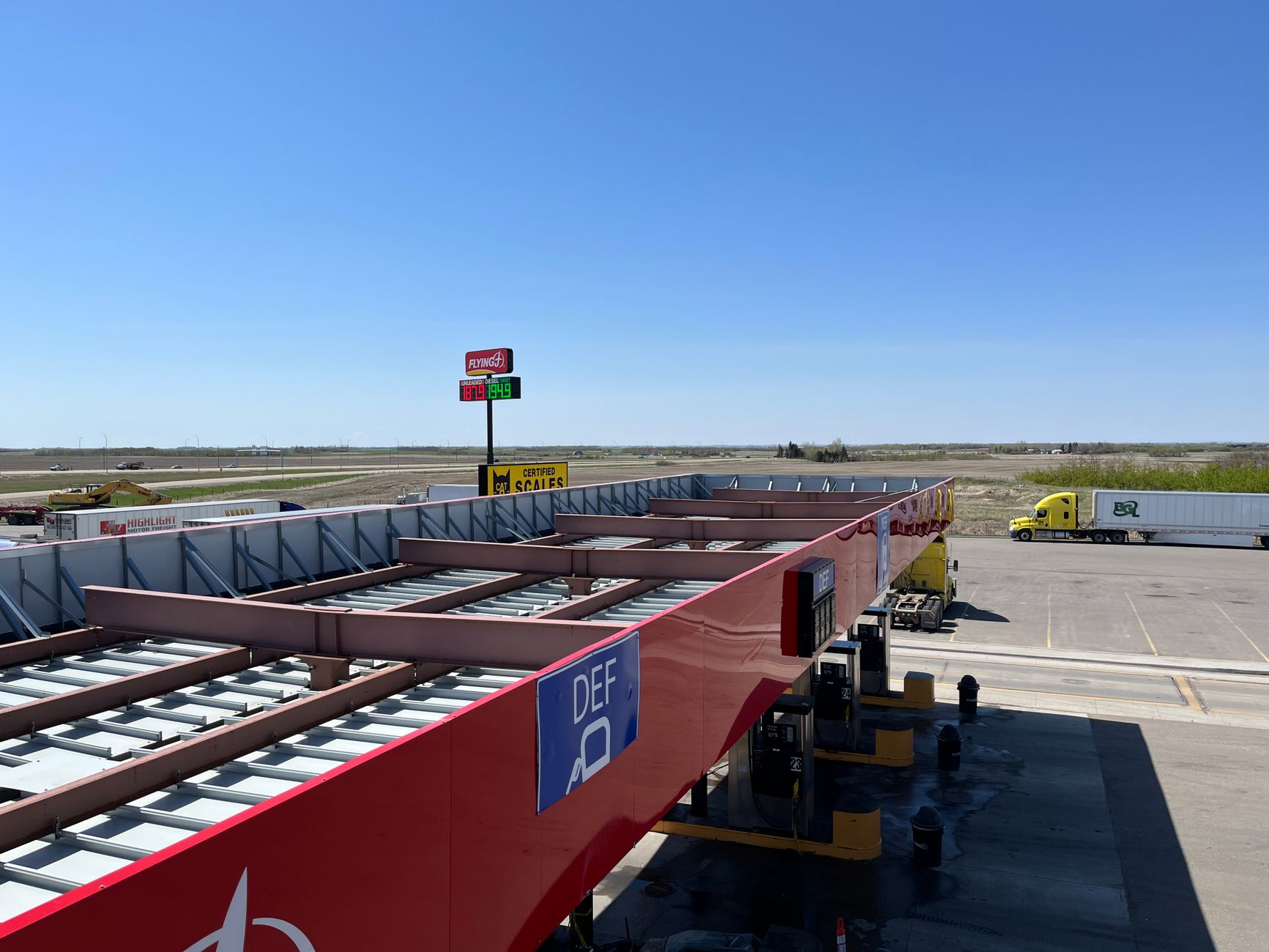
Rest areas are convenient stops for travelers looking to recharge on long journeys. They offer a place to stretch your legs, use restroom facilities, and sometimes grab a snack. One of the most common questions asked by road warriors is whether it’s safe and permissible to sleep at a rest area.
This article will explore everything you need to know about sleeping at rest areas, including the rules, safety tips, and the overall experience. Whether you’re a solo traveler, a family on a road trip, or an RV enthusiast, learning how to navigate rest area etiquette can enhance your travel experience.
Can You Sleep At A Rest Area?
Yes, you can sleep at a rest area, but the rules vary by location. Many states allow overnight parking for limited periods, while others enforce regulations that may restrict sleeping in vehicles. It’s essential to check local laws and regulations before deciding to rest at one.
Understanding the Rules and Regulations
Each state has different policies regarding sleeping at rest areas. Some rest areas allow overnight stays for a specified duration, while others may prohibit them entirely. Here’s a breakdown of common rules:
- Duration: Many rest areas permit stays from a few hours up to 24 hours. Always look for signage that indicates the maximum time allowed.
- Type of Vehicle: Regulations may vary depending on whether you’re in a car, RV, or truck. Some rest areas cater specifically to large vehicles.
- Safety and Security: Many rest areas have security measures in place, but it’s best to choose well-lit locations and avoid isolated areas.
Research Local Laws
Before stopping at any rest area, take a few moments to research the specific laws for your destination. Websites like the state Department of Transportation often provide detailed regulations regarding parking and overnight stays.
Pros and Cons of Sleeping at Rest Areas
Like any travel option, sleeping at rest areas has its advantages and disadvantages. Understanding them can help you make informed decisions during your journey.
Pros
- Cost-Effective: Sleeping at rest areas is free compared to hotels and other accommodations.
- Convenience: They are usually located along highways, making them easily accessible for travelers.
- Facilities: Many rest areas offer restrooms, picnic areas, and sometimes vending machines for quick snacks.
Cons
- Comfort: Sleeping in a vehicle can be uncomfortable compared to a hotel bed.
- Safety Concerns: There’s always a small risk when sleeping in public areas, especially in isolated locations.
- No Privacy: Rest areas are often busy, and your vehicle may be exposed to foot traffic.
Safety Tips for Sleeping at Rest Areas
Ensuring your safety while sleeping at a rest area should be a top priority. Follow these practical tips for a secure experience:
- Choose Wisely: Opt for well-lit, populated areas that have a good flow of traffic.
- Stay Alert: Keep your doors locked and your windows rolled up. Be aware of your surroundings, and trust your instincts.
- Travel with Company: If possible, travel with a companion for added security and peace of mind.
- Avoid Distractions: Turn off any electronics and focus on your safety while parked.
Alternative Options for Sleeping on the Road
If sleeping at a rest area doesn’t appeal to you, there are other options that might offer more comfort and security.
Hotels and Motels
Budget-friendly hotels and motels are scattered along major highways. They may offer a better night’s sleep than sleeping in a car, albeit at a cost. Use travel apps to compare rates and check for deals.
Campgrounds
If you’re traveling in an RV or camping, state or national campgrounds may provide a more scenic and peaceful sleeping arrangement. Reservations might be required, so check ahead.
Paid Parking Locations
Consider paid parking lots, such as those at truck stops or larger retail stores. While they usually require a fee, they often come with additional amenities and security features.
Best Practices for Overnight Stays
Following a few best practices can enhance your experience when stopping for the night:
Pack Essentials
- Blankets and Pillows: Bring lightweight, portable bedding for added comfort.
- Snacks and Water: Keep some refreshments on hand to avoid needing to venture out.
- Entertainment: Download some podcasts or audiobooks to pass the time during your stay.
Notify Someone
If you’re traveling alone, consider sharing your plans with a friend or family member. This way, someone will know your whereabouts in case of an emergency.
Choosing the Right Rest Area
Not all rest areas are created equal. Here’s how to choose a good one for an overnight stay:
Facilities and Amenities
Check if the rest area has adequate facilities, such as:
- Restrooms
- Outdoor seating
- Vending machines or nearby food options
Location Matters
A well-situated rest area can make all the difference. Look for those located near larger towns or cities, as these are often better maintained and more secure.
Experiences That Enhance Your Stay
Sleep is essential, but a little enjoyment can make the overnight stop more memorable:
Stretch Your Legs
Before settling in for the night, take some time to walk around and stretch. This helps alleviate fatigue and refreshes your body for the drive ahead.
Keen on Reading?
If you’re an avid reader, consider packing a book or an e-reader. Reading can help you unwind and make the time pass more quickly.
Capture the Moment
Take a few pictures of the rest area if it has notable features. Documenting your travels can enhance the experience and give you great memories to look back on.
Understanding the Risks
While many people successfully sleep at rest areas, it’s important to recognize potential risks:
Potential Theft
Leaving valuables in your car while you sleep can attract unwanted attention. Always keep valuables out of sight or secure them in the trunk.
Wildlife Encounters
Some rest areas may be near wildlife habitats. Be cautious about leaving food outside, as it may attract animals.
The Bottom Line: Should You Sleep at a Rest Area?
Sleeping at a rest area can be a convenient and economical option for many travelers, especially on long road trips. While it is allowed in many states, the experience can vary based on location, facilities, and personal comfort. Taking the time to plan and stay informed can make a difference in your overall experience.
Remember to research the regulations, prioritize safety, and prepare your essentials. While it might not be the coziest sleeping arrangement, with the right approach, it can be a practical solution for weary travelers.
For further reading on travel planning and road trip tips, check out these related articles: Can You Sleep in Your Car at a Rest Stop? and Can You Sleep in An RV While Driving?.