
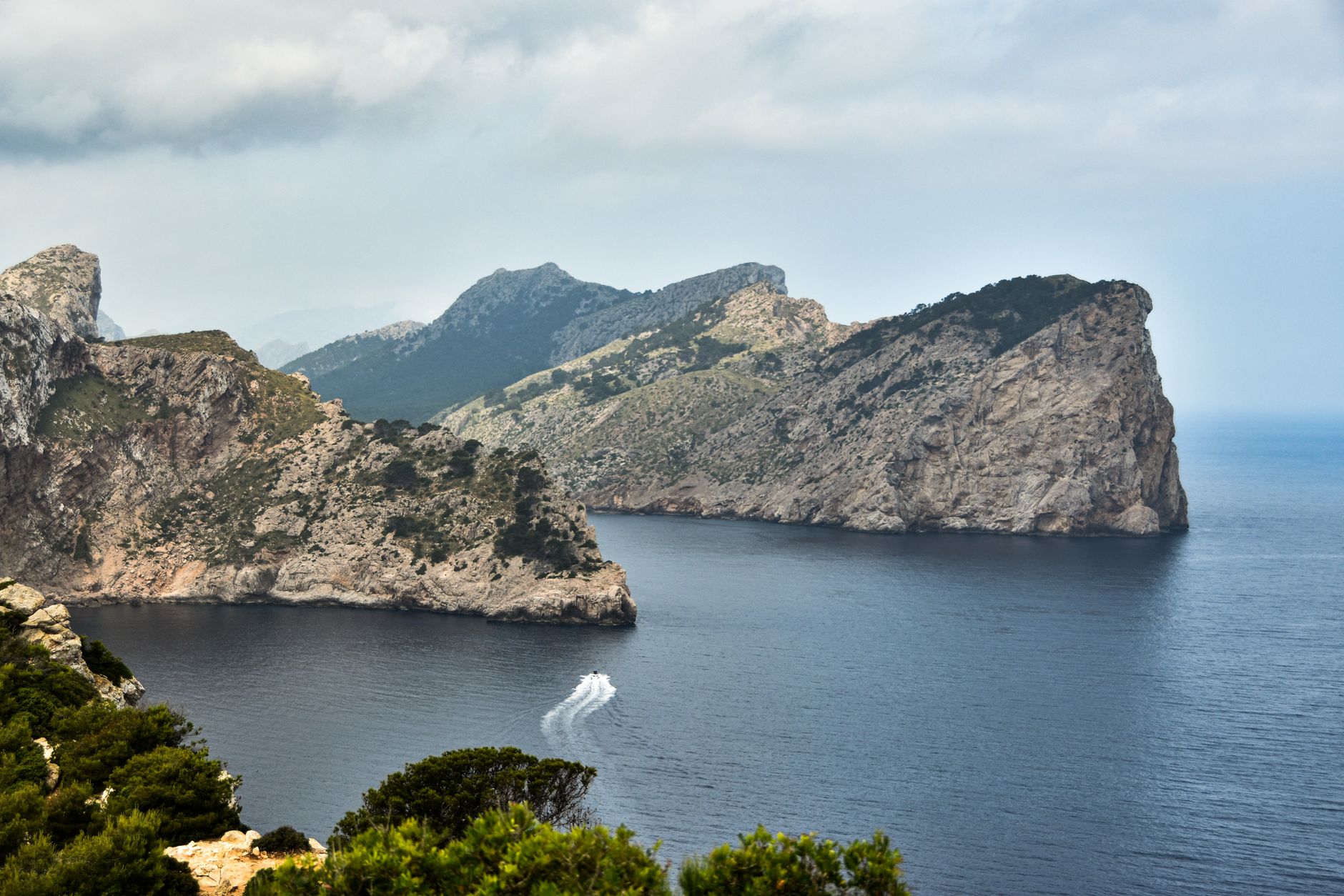
Malta, a small archipelago in the Mediterranean Sea, boasts a rich tapestry of history, culture, and natural beauty. Known for its stunning coastlines, vibrant cities, and ancient ruins, Malta is a destination that offers something for every traveler, whether you’re seeking adventure, relaxation, or history.
This guide delves into what Malta is truly like, helping you to navigate its attractions, accommodations, and practical travel tips to ensure a memorable visit.
What Is Malta Like?
Malta offers a unique blend of Mediterranean charm, historical sites, and captivating landscapes. With its warm climate, friendly locals, and diverse activities, it caters to families, solo travelers, and couples alike, making it a sought-after travel destination.
Why Visit Malta?
Malta is steeped in history, being home to some of the oldest free-standing structures in the world, along with beautifully preserved medieval towns. The stunning coastline features dramatic cliffs and idyllic beaches, ideal for sun-seekers and water sports enthusiasts. Plus, its gastronomy reflects a blend of Mediterranean and Middle Eastern influences.
Best Areas to Visit in Malta
- Valletta: Malta’s capital, known for its historical architecture and cultural significance.
- Mdina: The ancient capital, offering a mix of narrow medieval streets and stunning panoramic views.
- Sliema: A bustling modern area with shops, restaurants, and a scenic promenade along the coast.
- Gozo: Malta’s more tranquil sister island, known for its countryside, beaches, and rural lifestyle.
- Comino: Famous for its Blue Lagoon, a paradise for sunbathers and swimmers.
Attractions and Experiences
Historical and Cultural Attractions
- The Megalithic Temples: Explore ancient structures like Ħaġar Qim and Mnajdra, UNESCO World Heritage Sites that date back to 3600 BC.
- St. John’s Co-Cathedral: Located in Valletta, this stunning baroque cathedral is famous for its elaborate interior and Caravaggio masterpieces.
- Fort St. Angelo: A historic fortification that provides breathtaking views of the Grand Harbour.
- The National Museum of Archaeology: Discover artifacts from Malta’s ancient past in Valletta.
Natural Attractions
- The Blue Lagoon: Enjoy crystal-clear waters and pristine beaches on Comino, perfect for a day trip.
- Gozo’s Azure Window: Though collapsed, the area around this former natural arch remains a stunning spot for photos and scenic hikes.
- St. Peter’s Pool: A natural swimming pool in Delimara that offers an excellent spot for sunbathing and swimming.
Outdoor Activities
For outdoor lovers, Malta offers activities like hiking, diving, and boat tours. Popular spots for diving include the numerous wrecks around the islands and marine parks. The coastline provides excellent opportunities for walking and cycling, allowing you to explore Malta’s natural beauty up close.
How to Get There
Malta International Airport, located near Valletta, connects the archipelago with various international destinations. Airlines from across Europe and some international carriers provide flights to Malta. Once at the airport, you can opt for rental cars, taxis, or public transport to reach your accommodation.
Getting Around Malta
Malta’s public transport system includes buses that connect most towns and major tourist sites. While buses are economical, taxis and ride-sharing services are convenient for direct trips. For those looking to explore more remote areas, consider renting a car or scooter.
Driving in Malta can be challenging due to narrow roads and busy traffic, but the scenic drives are worth the experience.
Accommodation in Malta
Malta offers a range of accommodations catering to various budgets and preferences, including hotels, guesthouses, and hostels. Major areas include:
- Valletta: Ideal for history lovers, with many upscale hotels and boutique accommodations.
- Sliema: Offers waterfront hotels and easy access to restaurants and shops.
- St. Julian’s: Known for its nightlife, this area features a mix of budget and luxury options.
- Gozo: For a quieter experience, accommodations here range from farmhouses to hotels.
When to Visit Malta
Malta enjoys a Mediterranean climate, making it a year-round destination. The best time to visit is from April to June and September to October when the weather is warm and pleasant, ideal for sightseeing. The summer months can be hot and crowded, while winters are mild but may not be suitable for beach activities.
Suggested Length of Stay
A 5 to 7-day stay is recommended to fully experience Malta’s highlights without feeling rushed. This duration allows time for exploration, relaxation, and excursions to Gozo and Comino.
Budget Considerations
Malta can accommodate various budgets. Here are some practical tips:
- Accommodation: Prices can vary significantly; book in advance to secure good deals.
- Transportation: Public transport is affordable; consider a bus pass for savings on multiple journeys.
- Food: Sample local cuisine at budget restaurants, and don’t miss out on traditional street food.
- Attractions: Some museums and sites have free entry days; check local listings.
Food and Drink in Malta
Malta’s culinary scene is a delightful fusion of Mediterranean flavors with local twists. Here are a few essential dishes to try:
- Pastizzi: Flaky pastry filled with ricotta or peas, perfect as a snack.
- Rabbit Stew (Fenkata): A traditional Maltese dish, slow-cooked with local herbs and spices.
- Ħobż biż-żejt: A local sandwich made with bread soaked in olive oil, filled with tomatoes, tuna, and capers.
- Local wines: Malta produces excellent wines, with a growing reputation for quality.
Safety and Accessibility
Malta is generally a safe destination for tourists. However, basic precautions should be taken, such as avoiding isolated areas at night and being vigilant in crowded places. For families with children, attractions are typically family-friendly, and accessible options are available at many sites.
Packing Tips for Malta
When preparing for your trip, consider what to pack:
- Clothing: Lightweight clothing for warmer months, a light jacket for cooler evenings, and swimwear for beaches.
- Sunscreen: Protect your skin from the Mediterranean sun; pack a high SPF.
- Comfortable Shoes: Essential for exploring cobbled streets and historical sites.
- Adapter: The standard voltage in Malta is 230V with a 3-pin plug; bring an adapter if necessary.
With its blend of culture, history, and scenic beauty, Malta is a captivating travel destination for anyone seeking a unique Mediterranean experience. Plan your trip thoughtfully, respecting local customs and the environment, to make the most of your visit.
To further enhance your travel plans, explore related destination guides and travel-planning articles such as Is Sicily Safe to Visit and Is Curacao Safe for Tourists for more insights on nearby destinations.