
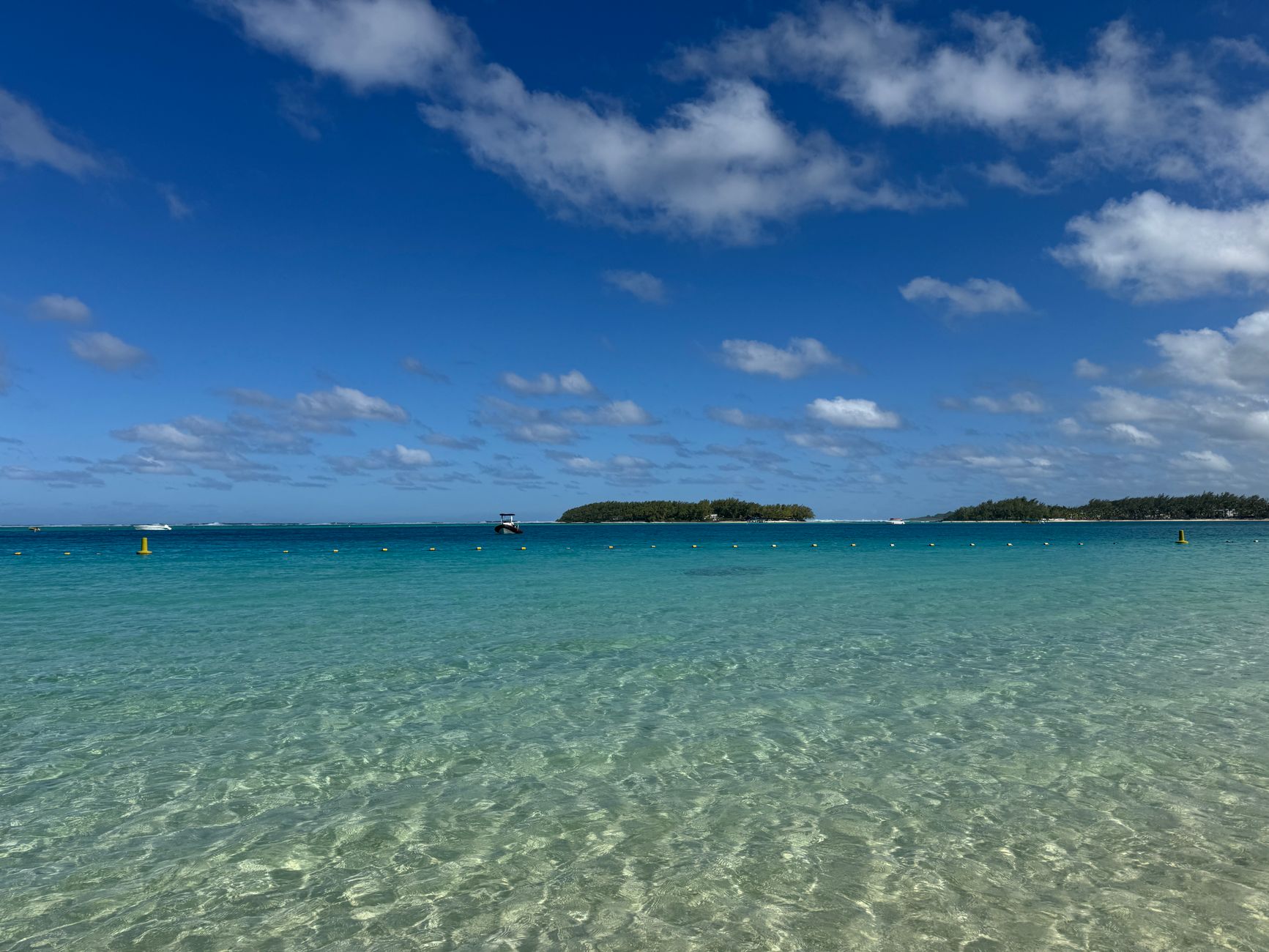
Aruba is a small Caribbean island famous for its stunning beaches, crystal-clear waters, and vibrant culture. As a popular vacation destination, many travelers often wonder when the best time to visit this tropical paradise is. Understanding the climate, peak tourist seasons, and local events can significantly enhance your experience.
This guide unpacks the best times to travel to Aruba, covering aspects like weather patterns, activities, and budget considerations. With this information, you can plan a trip that perfectly aligns with your preferences.
When Is The Best Time To Travel To Aruba?
The best time to travel to Aruba is during the dry season, which runs from mid-December to April. This period offers pleasant weather, warm temperatures, and minimal rainfall, making it ideal for beach activities and outdoor adventures. Visiting during these months allows you to experience Aruba at its liveliest, albeit with larger crowds and higher accommodation prices.
Understanding Aruba’s Climate
Aruba has a tropical marine climate, characterized by warm temperatures and trade winds that keep the island comfortable year-round. It generally experiences two main seasons: the dry season and the wet season.
Dry Season
The dry season lasts from mid-December to April, with average daily temperatures ranging from 77°F to 87°F (25°C to 31°C). This is the peak tourist season, which means more visitors, higher prices, and vibrant local events. Popular activities such as snorkeling, windsurfing, and exploring the island are best enjoyed during this time.
Wet Season
The wet season runs from May to mid-December, with temperatures remaining consistent. While the island does receive more rain during this time, it’s usually brief and followed by sunshine. This season may offer better rates on hotels and flights, making it a popular choice for budget travelers.
Hurricane Season
Though Aruba lies outside the main hurricane belt, the Atlantic hurricane season extends from June 1 to November 30. Travelers during this period should monitor weather forecasts, particularly in late summer and early fall, when storms are more frequent.
Best Time for Activities and Events
Aruba offers a variety of events and activities throughout the year. Depending on your interest, different times may be more appealing.
Water Sports and Beach Activities
The best months for water sports such as snorkeling, diving, and sailing are from November to April when the water visibility is at its peak. The clear waters around Aruba are home to colorful coral reefs and diverse marine life, making them perfect for exploration.
Cultural Events
If you want to immerse yourself in local culture, plan your trip around one of the numerous festivals held on the island. Notable events include:
- Aruba Carnival (January – February): A vibrant celebration full of parades, music, and traditional dishes.
- Dia di San Juan (June 24): A local festival celebrating the island’s patron saint with festivities and cultural traditions.
- Aruba Art Fair (October): A showcase of local and regional artists with exhibitions throughout the island.
Outdoor Adventures
For outdoor enthusiasts, the cooler months of December to April are ideal for hiking, exploring Arikok National Park, and visiting the Natural Pool. The pleasant weather allows you to enjoy these experiences without the heat becoming overwhelming.
Budget Considerations
Travel budgets can vary significantly based on when you decide to visit Aruba. Here’s a breakdown of what to expect:
High Season (Mid-December to April)
- Accommodation: Prices are at their highest; book early to secure a good deal.
- Flights: Airfare may surge during holidays and peak weeks, so consider flexibility in travel dates.
- Dining: Restaurants and popular spots may require reservations.
Low Season (May to mid-December)
- Accommodation: Rates are generally lower, with increased availability.
- Flights: More affordable options, especially for last-minute trips.
- Dining: Less crowded restaurants may offer discounts or special promotions.
Realistic Length of Stay
The ideal duration for a trip to Aruba generally falls between five to seven days. This timeframe allows for exploration of the island’s attractions, relaxation on its beautify beaches, and participation in various activities.
- Days 1-2: Explore Oranjestad and relax at Eagle Beach.
- Days 3-4: Visit Arikok National Park and discover natural wonders like the Natural Pool.
- Days 5-6: Engage in water sports, relax on other beaches, and enjoy cultural events or dining experiences.
- Day 7: Go for any missed attractions and prepare for departure.
Transportation Options
Getting around Aruba is accessible and straightforward, with multiple transportation options to suit different budgets and travel styles.
Car Rentals
Renting a car is a convenient way to explore the island at your own pace. It is recommended to book in advance during peak seasons. Ensure you have a valid driver’s license and be aware that driving is on the right side of the road.
Taxis and Ride-Sharing
Taxis are widely available and relatively affordable in major tourist areas. Alternatively, ride-sharing apps are available, but it’s advisable to check coverage before your trip.
Public Transportation
The island has a reliable bus service, known as Arubus, covering various routes to popular destinations. This option is budget-friendly but may not be as convenient as renting a car.
Where to Stay by Area
Choosing where to stay in Aruba can enhance your experience based on interests, budget, and desired ambiance. Here are some popular areas and accommodation options:
Oranjestad
The capital city offers a vibrant atmosphere with shops, restaurants, and cultural attractions. It’s a great choice for first-time visitors looking to explore the island’s history.
- Luxury: Renaissance Aruba Resort & Casino
- Mid-Range: Talk of the Town Hotel & Beach Club
- Budget: Aruba Blue Village
Palm Beach
A hub for tourists with bustling nightlife, shopping, and beachfront hotels. Ideal for those looking to enjoy active days and lively evenings.
- Luxury: Ritz-Carlton Aruba
- Mid-Range: Hilton Aruba Caribbean Resort & Casino
- Budget: Aruba Surf Resort
Eagle Beach
Known for its white sandy shores and soothing atmosphere, Eagle Beach is perfect for relaxation and sunbathing.
- Luxury: Bucuti & Tara Beach Resort
- Mid-Range: Amsterdam Manor Beach Resort
- Budget: Wynwood Aruba
Packing Guide for Aruba
Packing for Aruba should focus on light and casual clothing that reflects the island’s tropical climate. Here’s a quick packing list:
- Lightweight clothing (cotton or linen)
- Swimwear and cover-ups
- Sun protection (sunscreen, sunglasses, hat)
- Sensible footwear (sandals for the beach, comfortable shoes for excursions)
- Light jacket or sweater for cooler evenings
- Reusable water bottle to stay hydrated
Accessibility and Safety Considerations
Aruba is considered accessible for travelers with disabilities. Various resorts and attractions offer accommodations to cater to those with special needs. However, it’s advisable to check specific hotels or activities for their accessibility options.
In terms of safety, Aruba is relatively safe for tourists. Basic precautions—using hotel safes, avoiding deserted areas at night, and staying aware of your surroundings—are recommended. Always stay updated on current travel advisories from your government.
Final Thoughts
The best time to travel to Aruba largely depends on your preferences for weather, budget, and activities. If you enjoy vibrant festivals, ideal beach weather, and lively atmospheres, consider visiting during the peak season of December to April. For those looking to save on costs while still enjoying the beautiful culture and landscape, the wet season offers practical opportunities.
Start planning your tropical getaway today, considering your ideal experiences in this stunning Caribbean destination. Ready to dig deeper into travel logistics? Explore whether Aruba is in the Bahamas at this link and check if you need a passport for Aruba at this link.