
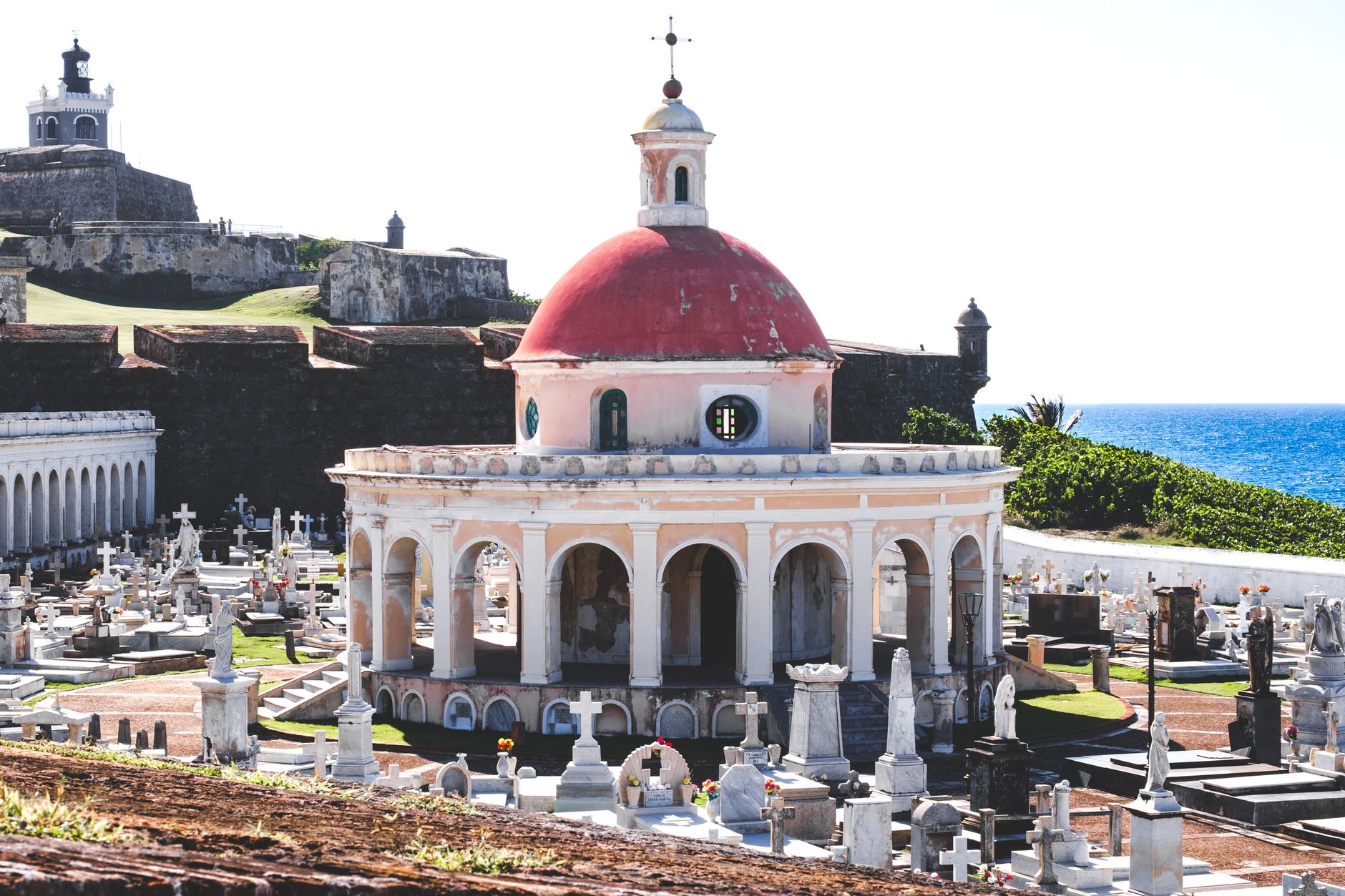
Raphael, one of the most illustrious figures in the history of art and a key player in the High Renaissance, is buried in the magnificent Pantheon in Rome. This architectural marvel is not just a burial site; it is also a symbol of ancient Rome and a testament to Raphael’s enduring legacy.
Visitors to this iconic monument can experience both its rich history and the artistic legacy of one of its most celebrated residents. Understanding where Raphael is buried provides a unique opportunity to explore the intersection of art, history, and architecture in Rome.
Where Is Raphael Buried?
Raphael is buried in the Pantheon, a stunning temple-turned-church located in the heart of Rome. Recognized for its massive dome and harmonious proportions, the Pantheon has stood since the 2nd century AD, making it one of the best-preserved monuments of ancient Rome.
Raphael’s tomb is located towards the left side of the main altar. It is marked by a simple yet tasteful inscription, celebrating his contribution to art and culture.
The Historical Significance of the Pantheon
The Pantheon itself is an architectural masterpiece, originally built as a temple to the Roman gods. Its impressive portico, with large Corinthian columns, welcomes visitors, while the massive dome creates an awe-inspiring space inside. The oculus at the dome’s center allows natural light to illuminate the interior, creating a spiritual atmosphere.
The Pantheon serves not merely as a mausoleum for artists like Raphael but also for other notable figures, such as the famous painter, architect, and sculptor, Annibale Carracci. This adds to the site’s rich tapestry of artistic history.
Why Visit Raphael’s Tomb?
Visiting Raphael’s tomb offers a profound connection to both the artist and the historical significance of the Pantheon. Here’s why it should be on your itinerary:
- Artistic Legacy: Discovering the site where Raphael rests allows you to reflect on his masterpieces, including “The School of Athens” and “The Sistine Madonna.”
- Architectural Wonder: The Pantheon itself is a marvel of engineering and design, representing the pinnacle of ancient Roman architecture.
- Cultural Experience: Being in the heart of Rome, the Pantheon is surrounded by vibrant street life, cafés, and other historical sites.
How to Get to the Pantheon
Located in the bustling Piazza della Rotonda, the Pantheon is easily accessible from various parts of Rome. Here are some options:
- Walking: If you’re in the city center, many major attractions are within walking distance, making this a pleasant walk.
- Public Transport: You can take the metro (Line A, get off at Barberini), followed by a short walk or catch a bus that stops nearby.
- Taxis and Ride-Sharing: Services like Uber or local taxis are also readily available throughout the city for those who prefer private transportation.
Best Areas to Stay Near the Pantheon
When contemplating a trip to visit Raphael’s tomb, choosing accommodation nearby can enhance your experience. Here are a few recommended areas:
1. Navona
This area is known for its artistic atmosphere, charming squares, and proximity to historic attractions, including the Pantheon.
2. Campo de’ Fiori
A vibrant locality filled with markets, restaurants, and nightlife, Campo de’ Fiori is just a short walk from the Pantheon.
3. Centro Storico
The historic center of Rome is bustling with activities and sights, placing you within close reach of the Pantheon and other must-visit locations.
Nearby Attractions to Explore
Once you’ve paid your respects at Raphael’s tomb, consider exploring nearby attractions to make the most of your visit:
- Piazza Navona: This charming square features beautiful fountains and is a fantastic spot to enjoy gelato or coffee.
- Santa Maria sopra Minerva: Just a short stroll away, this church holds many significant artistic works, including one by Michelangelo.
- Trevi Fountain: A classic must-see, toss a coin in to ensure your return to Rome.
- Vatican City: A little farther but easily reachable, the Vatican houses an incredible collection of art and history.
Best Time to Visit the Pantheon and Raphael’s Tomb
To enjoy a visit to the Pantheon with fewer crowds and pleasant weather, consider these tips:
- Spring (March to May): Mild temperatures and blooming flowers make Rome beautiful during this time.
- Fall (September to November): Similar to spring, expect comfortable weather with fewer tourists.
- Winter Holidays: Though colder, the holiday decorations and festive atmosphere are enchanting.
Visiting Tips for the Pantheon
Here are some practical tips to help you maximize your experience when visiting Raphael’s tomb at the Pantheon:
- Opening Hours: It’s beneficial to verify the Pantheon’s operating hours, as they may change during holidays.
- Respectful Attire: As a place of worship, wearing respectful clothing is essential.
- Parking Considerations: If driving, be aware that parking can be challenging in central Rome. Consider using nearby parking facilities and walking.
- Guided Tours: Taking a guided tour can provide additional insights into Raphael’s life and work, the Pantheon’s architecture, and historical context.
Bidding Farewell to Raphael
After visiting the Pantheon, consider how the artist’s influence permeates through various aspects of art and culture today. Whether through paintings, architecture, or literature, Raphael’s legacy is ubiquitous.
Reflecting on his contributions and acknowledging his resting place within the grandeur of the Pantheon offers a meaningful connection to both the artist and Italian history.
Budget Considerations
When planning a visit, consider budgetary factors, including entry fees, accommodation, and food. Though visiting the Pantheon is free, donations are encouraged. Here’s a brief budgeting outline:
- Transportation: Public transport is affordable, while taxis and rideshares can be more expensive.
- Accommodation: The price range varies widely, from budget hostels to luxury hotels.
- Dining: Rome offers diverse dining options to suit any budget, from street food to upscale restaurants.
- Souvenirs: Don’t forget to allocate some budget for local artisan crafts or mementos to remember your trip.
Accessibility Considerations
While the Pantheon has made efforts to be more accessible, it’s crucial to plan accordingly. Here are some considerations for visitors with mobility challenges:
- Entrance: Ramps are available to ease entry into the Pantheon.
- Interior Navigation: The floor may be uneven in parts; extra care is advisable.
- Restroom Facilities: Ensure to inquire about accessible restrooms nearby.
Family-Friendly Tips
Visiting the Pantheon can be an enriching experience for families. Here are some tips to ensure a smooth visit:
- Engagement: Encourage children to learn about the stories behind Raphael’s artwork and the Pantheon’s architecture.
- Snacks: Bring light snacks and water, as the visit might take longer than anticipated.
- Short Breaks: Plan to take breaks in the surrounding areas to keep everyone refreshed.
In summary, visiting Raphael’s tomb in the Pantheon offers a unique blend of history, art, and culture that enriches any trip to Rome. With thoughtful planning regarding transportation, budget, and accessibility, you can ensure a fulfilling experience. Be sure to check the latest information regarding entry fees, opening hours, and transport options before your journey.
Explore related destination guides and travel-planning articles for more insights on your trip. Consider checking out where Rome is and what currency does Rome use for additional travel tips.