
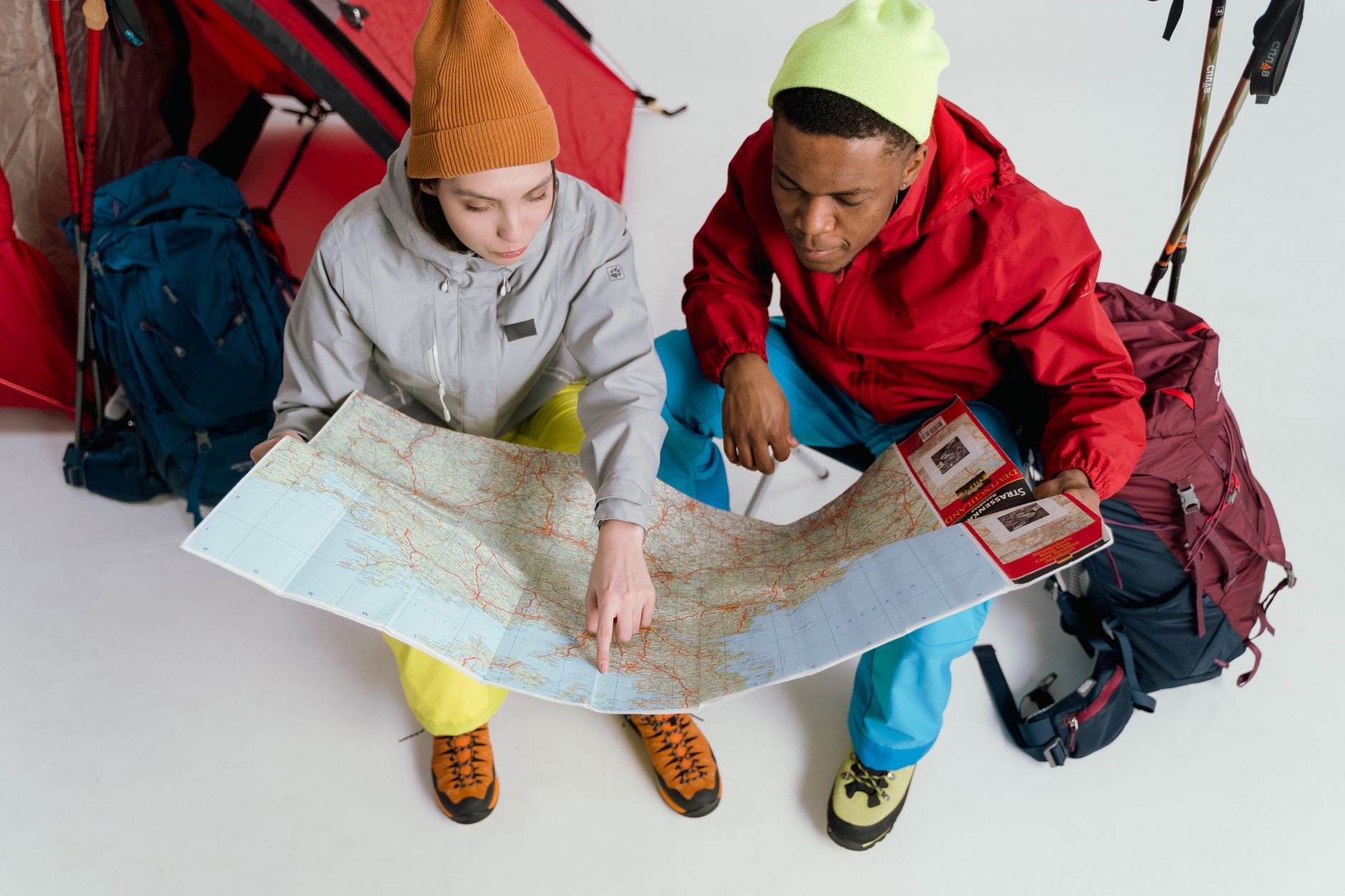
Packing a backpack for air travel can be a meticulous task, especially with the limitations imposed by airlines. Balancing comfort, convenience, and compliance with regulations is crucial. This guide will help you navigate the intricacies of packing a backpack efficiently for your next air travel adventure.
From choosing the right backpack to organizing your belongings effectively, we will cover every aspect you need to consider for a stress-free travel experience.
How to Pack a Backpack for Air Travel?
Packing a backpack for air travel involves strategic selection and organization of items to ensure that you have everything you need while complying with airline regulations. The aim is to maximize space, prioritize essentials, and facilitate easy access during your journey.
Choosing the Right Backpack
Your choice of backpack can significantly impact your travel experience. Here are key factors to consider:
- Size: Choose a backpack that complies with airline carry-on regulations. Typically, a backpack should not exceed dimensions of 22 x 14 x 9 inches (56 x 36 x 23 cm).
- Weight: Opt for a lightweight backpack, as most airlines impose strict weight limits for carry-ons. A heavier backpack can limit your ability to pack other items.
- Comfort: Look for features such as padded shoulder straps, a hip belt, and ventilated back panels to ensure comfort during long travels.
- Accessibility: Choose a backpack with multiple compartments for easy organization and access to essential items.
Understanding Airline Regulations
Familiarize yourself with the airline’s regulations regarding carry-on baggage. Here are some key points to consider:
- Carry-On Limits: Most airlines allow one carry-on backpack and one personal item, like a purse or laptop bag.
- Prohibited Items: Know what you cannot bring onboard, such as sharp objects or liquids over 3.4 ounces (100 ml).
- Security Screening: Be prepared to remove your laptop and any large electronic devices from your backpack during security checks.
Creating a Packing List
Developing a packing list can streamline the packing process. Here is a comprehensive checklist divided into categories:
Travel Essentials
- Passport/ID
- Boarding pass (e-ticket is acceptable)
- Travel insurance information
- Emergency contact information
Clothing
- Underwear and socks (enough for your trip length)
- Mix and match clothing items (consider the weather at your destination)
- A light jacket or sweater (for cold airplane cabins)
- Comfortable shoes
- Sleepwear
Toiletries
- Travel-sized shampoo, conditioner, and body wash
- Toothbrush and toothpaste
- Deodorant (check regulations for full-size items)
- Any necessary medications
Electronics
- Smartphone and charger
- Laptop or tablet and charger
- Headphones or earbuds
- Power bank (check your airline’s regulations regarding lithium batteries)
Miscellaneous
- Snacks
- Reusable water bottle (empty before security)
- A travel pillow or blanket
- Books or e-reader for entertainment
Packing Techniques
Once you have your belongings sorted, it’s time to pack effectively. Here are some useful packing techniques:
Roll Your Clothes
Rolling clothes instead of folding them can save space and reduce wrinkles. Start by laying the item flat, folding the sleeves inward, and rolling tightly from the bottom up.
Use Packing Cubes
Packing cubes can help you organize your items further and compress clothing to maximize space. Designate different cubes for clothing types, toiletries, and electronics.
Optimize Available Space
- Place socks or small items inside shoes.
- Fill every pocket and compartment in your backpack, ensuring nothing goes to waste.
- Utilize the front pocket for items you may need easy access to, such as passports or boarding passes.
Strategically Placing Your Items
Strategically placing items in your backpack can make a difference during travel. Here’s how to do it:
- Heavy Items: Place heavier items on the bottom of the backpack to maintain balance.
- Frequent Access: Keep essential items like documents, snacks, and electronics in outer compartments or easy-to-reach areas.
- Clothes and Toiletries: Spread out clothing and toiletries evenly to avoid creating bulk or imbalances in your backpack.
Handling Security Checks
Security checks can be a hassle, so being prepared can ease the process:
- Have your boarding pass and ID easily accessible.
- Pack your laptop and larger electronics in a way that you can remove them quickly.
- Make sure your toiletries are within the liquid limits and stored in an easily reachable compartment.
Staying Comfortable During the Flight
Your comfort during the flight can set the tone for your entire trip. Consider the following tips:
- Dress in layers to adapt to changing temperatures.
- Hydrate well by drinking water before and during the flight.
- Bring a travel pillow for support and ease during long hours of sitting.
Arriving at Your Destination
After your flight, managing your backpack efficiently can enhance your travel experience:
- When you land, take a moment to reorganize your backpack. Place items you won’t need immediately at the bottom.
- Consider using the backpack as a daypack for exploring your destination. Remove items you won’t need.
- Securely store valuables like your passport and wallet to avoid loss or theft.
Common Mistakes to Avoid
Learning from the common pitfalls of packing can improve your experience. Avoid these mistakes:
- Packing heavy or unnecessary items that take up valuable space.
- Overpacking clothing, leading to a bulky, uncomfortable bag.
- Neglecting to check airline regulations, leading to unexpected complications at security.
Final Thoughts
Packing a backpack for air travel can be straightforward if you plan ahead. Choosing the right backpack, following airline regulations, and using effective packing techniques can lead to a smooth travel experience. Remember that the goal is not only to fit everything you need into your bag but also to ensure comfort and accessibility throughout your journey.
By being organized and strategic, you can enjoy the adventure ahead without unnecessary stress. Happy travels!
For more travel tips, check out these related articles: can I bring a carry-on and a backpack, or can I bring full-size deodorant in a carry-on?