
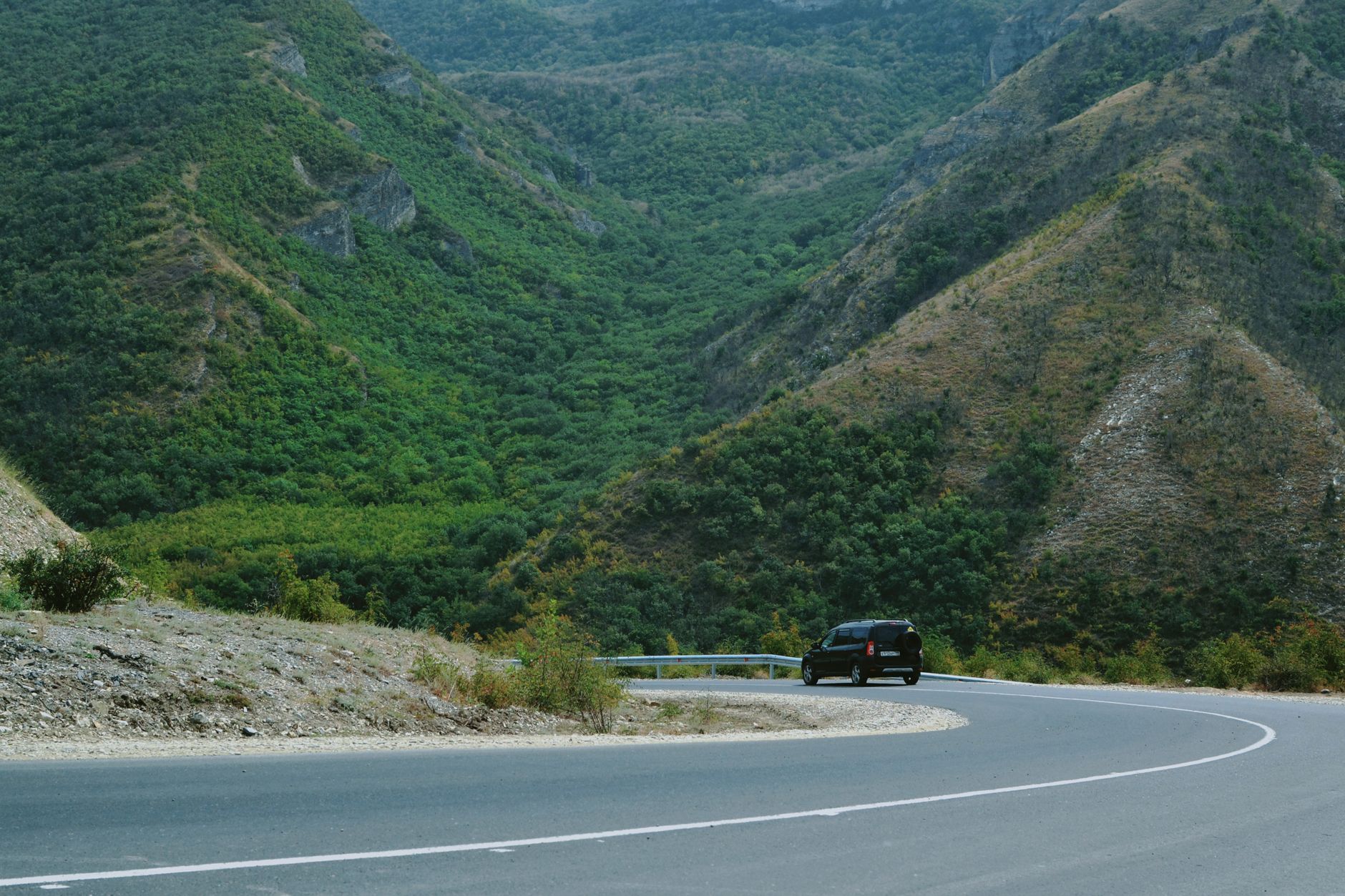
Going to the Sun Road is one of the most scenic drives in the United States, located in Glacier National Park, Montana. Every year, travelers flock to this iconic road for breathtaking views, wildlife sightings, and outdoor adventures. However, one crucial question arises: is Going to the Sun Road open? This question is essential for planning your trip, as the road’s access varies seasonally and is influenced by weather conditions.
In this guide, we’ll provide you with all the necessary information about the road’s opening status, what to expect during your visit, and practical tips for navigating this spectacular destination. Whether you’re an avid outdoor enthusiast or simply looking for a scenic drive, understanding the road’s status will help you make the most of your trip.
Is Going To The Sun Road Open?
As of now, Going to the Sun Road is typically open from late June to mid-September, but it is essential to check current conditions for the most accurate information. Seasonal weather, particularly snowfall and road repair, can lead to temporary closures. It’s advisable to visit the National Park Service website or contact the park for the latest updates on road status before planning your trip.
Understanding the Seasonal Access
Going to the Sun Road is not open year-round. The opening date can vary significantly from year to year due to weather conditions, especially in the spring when snow can linger in the higher elevations. Below are some key points to keep in mind regarding seasonal access.
Typical Opening and Closing Dates
- Early June: Snow removal operations begin.
- Late June: The road is generally open, but check for any sections that may still be closed due to snow.
- Mid-September: The road typically closes for the season, depending on the weather.
Factors Affecting Open Status
There are several factors that can influence whether Going to the Sun Road is open:
- Snowfall: Heavy snowfall can postpone the opening of the road, sometimes delaying it into early July.
- Road Work: Maintenance and repair efforts can lead to temporary closures at any time.
- Wildfires: Occasionally, wildfires in the region can necessitate closures for safety reasons.
Planning Your Trip to Going to the Sun Road
Knowing whether Going to the Sun Road is open aids in planning your overall travel itinerary to Glacier National Park. Here’s what you need to know to ensure a smooth trip.
Best Times to Visit
If your primary goal is to experience Going to the Sun Road, the optimal time to visit is between late June and mid-September. This period provides the best chance of having the full road accessible, along with mild weather.
Recommended Length of Stay
A trip of 3 to 5 days is ideal for experiencing the road and the park’s many attractions. This duration allows you time for hiking, wildlife watching, and relaxation, as well as allows for any potential detours due to unpredictable weather or road conditions.
Things to Do Along the Route
Going to the Sun Road is not just about driving; it’s also about soaking in the majestic views and taking part in various activities. Here are some highlights along the road that you should not miss.
Scenic Pullouts and Lookouts
The road is dotted with numerous scenic pullouts where you can stop and take photos of the stunning landscapes, including:
- Logan Pass: The highest point on the road, offering panoramic views and access to hiking trails.
- Jackson Glacier Overlook: A viewpoint where you can see Jackson Glacier and the surrounding peaks.
- Bird Woman Falls: A lovely waterfall viewed from the roadside.
Hiking Trails
Several hiking trails begin or are accessible from Going to the Sun Road:
- Hidden Lake Trail: A moderately challenging hike that offers breathtaking views of the lake and surrounding mountains.
- Highline Trail: A more strenuous hike known for its dramatic views, it starts at Logan Pass.
- Grinnell Glacier Trail: Another popular hike but requires a bit more planning.
Wildlife Watching
Glacier National Park is home to a rich variety of wildlife. As you drive along Going to the Sun Road, keep your eyes peeled for:
- Mountain goats
- Bighorn sheep
- Black bears (at a safe distance!)
Where to Stay
Choosing accommodations in or near Glacier National Park significantly enhances your experience. There are various options available based on your budget and preferences.
Camping
Camping is a popular choice for many visitors. Glacial National Park offers a number of campgrounds, including:
- Apgar Campground: Close to the west entrance and along the shores of Lake McDonald.
- Lake McDonald Campground: A serene spot near the iconic lake.
Lodges and Hotels
If you prefer more comfortable accommodations, here are some options:
- Many Glacier Hotel: A historic lodge surrounded by stunning scenery.
- Lake McDonald Lodge: Located right by the lake, providing beautiful views and easy access to activities.
Transportation Options
While you can drive yourself, understanding your transportation options can enhance your visit to Glacier National Park. Here’s an overview:
Driving
Having a car offers the most flexibility. Popular routes to the park include:
- From Kalispell via U.S. Highway 93 and U.S. Highway 2.
- From West Glacier to St. Mary via Going to the Sun Road.
Shuttle Services
If you prefer not to drive, the park offers shuttle services in peak season. These shuttle services can help you explore the park while avoiding complications related to parking.
Budget Considerations
Budgeting for a trip to Going to the Sun Road and Glacier National Park involves several factors. Here’s a breakdown of common expenses you can expect:
Entrance Fees
The entrance fee for Glacier National Park is reasonably priced:
- Private vehicle: $30 for seven days.
- Motorcycles: $25 for seven days.
- Individuals on foot or bike: $15 for seven days.
Accommodation Costs
Accommodation expenses can vary widely. Camping fees generally range from $20-$30 per night, while lodge prices can be significantly higher, reflecting the additional amenities offered.
Food and Drink
Grocery stores and restaurants in nearby towns provide food options. Budget-conscious travelers may want to prepare their meals, while those looking to dine out can expect average prices around $10-20 per meal.
Safety Tips for Your Visit
As with any outdoor adventure, safety is key when visiting Going to the Sun Road and Glacier National Park.
Driving Safety
The winding roads can be challenging. Here are some tips:
- Be cautious of wildlife; animals can unexpectedly cross the road.
- Be aware of changing weather conditions that can impact visibility and road conditions.
Hiking Safety
If you plan to hike, always inform someone of your plans:
- Bring plenty of water and snacks.
- Wear appropriate footwear and clothing.
- Know the trail’s level of difficulty and your physical capability.
Conclusion
Understanding whether Going to the Sun Road is open and planning accordingly will set the foundation for an unforgettable trip to Glacier National Park. Check official resources for current road statuses, plan your itinerary, and prepare for a range of activities and experiences. By following these tips and guidelines, you can enjoy all that one of America’s most beautiful scenic drives has to offer.
For more related travel guides and planning articles, explore our content on Alaska in September and Days to Spend in Acadia National Park.