
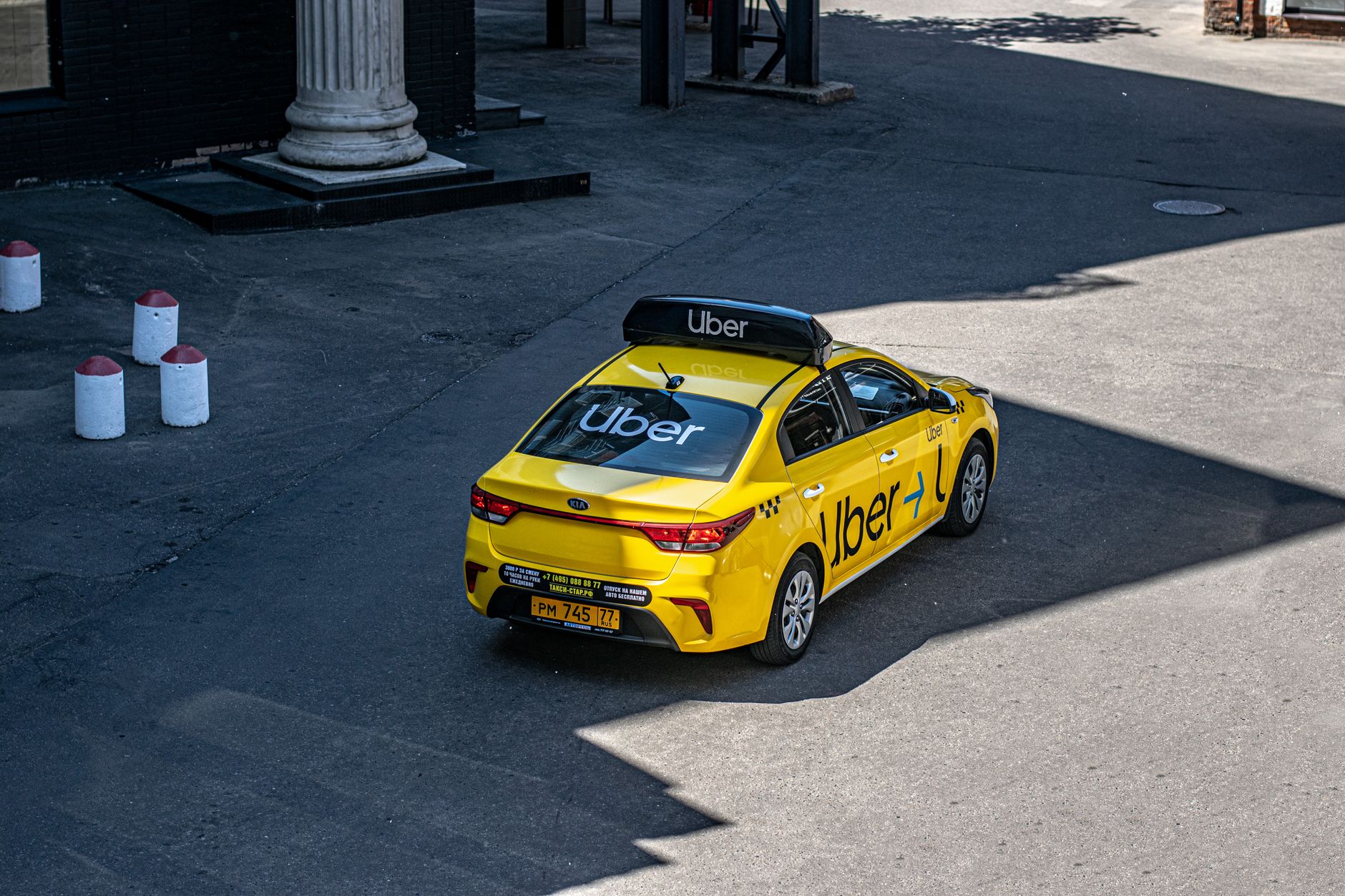
As ridesharing continues to transform urban transportation, many aspiring Uber drivers may wonder about the ins and outs of the gig. A common query is whether Uber covers gas expenses for drivers. This consideration is essential for budgeting and assessing potential earnings.
In this article, we will explore the financial responsibilities of Uber drivers concerning gas costs, the overall earning potential, and practical tips for those thinking about becoming an Uber driver. Understanding these factors will help you make an informed decision about joining the ridesharing industry.
Does Uber Pay For Gas?
No, Uber does not directly pay for gas. As an independent contractor, drivers are responsible for their vehicle expenses, including fuel. However, Uber does offer various incentives that can help offset gas costs indirectly.
Overview of Uber Driver Expenses
When driving for Uber, it’s essential to be aware of the various costs involved. Understanding these expenses can help you better assess your potential earnings.
Common Expenses for Uber Drivers
- Fuel: This is often the largest and most obvious expense. Drivers are responsible for filling their tanks for the rides they provide.
- Vehicle Maintenance: Regular oil changes, tire rotations, and other maintenance tasks ensure the vehicle remains in good condition.
- Insurance: Uber drivers need auto insurance that covers ridesharing. Often, this requires more extensive coverage than standard personal insurance.
- Depreciation: Over time, the vehicle loses value, which is a financial consideration for many drivers.
- Car Payments: If the driver is making payments on the vehicle, this adds to their monthly expenditures.
- Taxes: As independent contractors, drivers must handle their taxes, including self-employment taxes.
Understanding Uber’s Payment Structure
Uber uses a unique payment structure that includes a base fare, distance, and time traveled. Understanding how drivers earn from rides can help drivers manage their expenses, including gas.
Components of Uber Payments
Drivers earn a fare based on various factors, which include:
- Base Fare: This is the starting amount for any trip, regardless of its duration or distance.
- Time: Drivers earn additional fare based on the time spent in a ride.
- Distance: Drivers also receive a per-mile charge, contributing significantly to total earnings, especially during longer trips.
- Surge Pricing: During high-demand times, prices increase, allowing drivers to earn more per ride.
Uber Incentives and Bonuses
While Uber doesn’t pay for gas, they offer various incentives and bonuses, which can indirectly help drivers manage fuel costs:
- Weekly Promotions: Uber often runs incentive programs that reward drivers who complete a certain number of rides within a week.
- Referral Bonuses: Drivers can earn bonuses by referring new drivers to the platform.
- Uber Pro Program: This program offers rewards to drivers based on their performance, including cash back on gas purchases.
Estimating Gas Costs
An essential aspect of becoming an Uber driver is accurately estimating gas costs. Understanding your vehicle’s fuel efficiency and local gas prices can help you budget better.
Calculating Fuel Efficiency
Fuel efficiency is often measured in miles per gallon (MPG). To calculate gas expenses:
- Determine your car’s MPG. You can find this information in your vehicle’s manual or online.
- Estimate the average distance of your rides.
- Calculate fuel costs using the following formula: (Total Distance) / (MPG) x (Gas Price per Gallon).
Monitoring Local Gas Prices
Gas prices vary widely depending on location, time of year, and market conditions. To keep costs down:
- Use smartphone apps that track gas prices in your area.
- Locate gas stations that offer discounts for cash purchases or loyalty card users.
Maximizing Earnings to Offset Gas Costs
To thrive as an Uber driver, it’s crucial to strategize earnings to offset expenses, including gas. Here are several tips you can implement.
Choosing the Right Times to Drive
Driving during peak hours or events can significantly improve earnings. Consider:
- Morning commutes and evening rush hours generally yield more rides.
- Special events, concerts, or game days can lead to surge pricing, increasing your ride fare.
Driving in High-Demand Areas
Proximity to entertainment districts, airports, and major transit hubs often results in higher ride requests:
- Familiarize yourself with local event calendars.
- Position yourself near areas with a consistent flow of ride requests.
Using Gas Cards and Rewards Programs
Many gas stations offer rewards programs or credit cards to help drivers save on fuel costs:
- Look for credit cards that offer cash back on fuel purchases.
- Use store loyalty points to save on your gas bills.
Tax Deductions for Gas Expenses
Driving for Uber comes with the benefit of potentially reducing taxable income through business-related deductions, including fuel costs.
Understanding Tax Benefits
Tax deductions allow drivers to offset some operational costs:
- Keep detailed records of all your expenses, including gas receipts.
- Consider utilizing the IRS standard mileage rate for deductions. This approach allows you to deduct a certain amount per mile driven for business purposes, covering gas, maintenance, and depreciation.
Possible Challenges for New Uber Drivers
As an aspiring Uber driver, you may face challenges that can affect profitability. It’s important to be aware of these common hurdles.
Vehicle Wear and Tear
Driving frequently for Uber can lead to increased wear and tear on your vehicle. Consider the following:
- Evaluate your vehicle’s suitability for ridesharing. Some vehicles are more fuel-efficient than others.
- Plan for maintenance expenses as your vehicle accumulates miles.
Managing Time and Gas Efficiency
While driving for Uber, keeping track of your time and distances can prove challenging. Strategies to manage efficiency include:
- Utilizing navigation apps to avoid traffic and find optimal routes for rides.
- Being mindful of your gas tank level; refuel when at least half full to avoid long detours.
Final Thoughts on Gas Expenses for Uber Drivers
While Uber does not cover gas expenses directly, drivers can implement strategies to mitigate these costs and maximize their earnings. Understanding the ecosystem of ridesharing, monitoring expenses, and optimizing driving strategies is crucial to succeeding as an Uber driver.
If you are considering becoming an Uber driver, take the time to do your research and plan your strategy thoroughly. Optimizing your driving schedule, ensuring your vehicle is well-maintained, and utilizing the tax deductions available can help you manage your costs effectively.
For those looking further into ridesharing, read more about what Uber Black means or learn if Southwest flies to JFK. These insights can provide helpful context for your travel and driving decisions.