
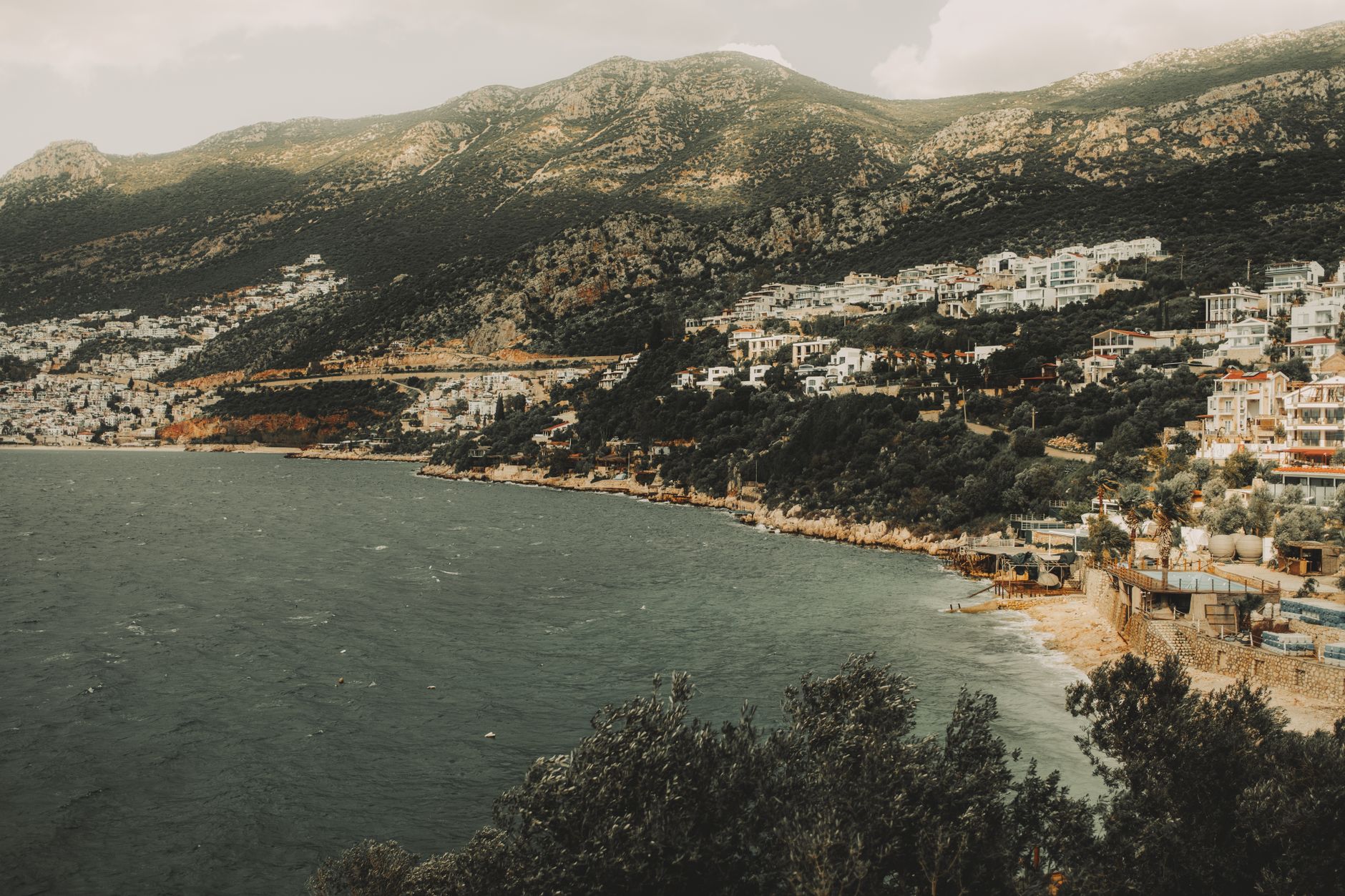
Sicily, the largest island in the Mediterranean, boasts stunning landscapes, rich history, and a vibrant culture that draws millions of visitors each year. However, potential travelers often wonder, “Is Sicily safe to visit?” Safety is an essential consideration for any traveler, and this article will provide an in-depth look at the safety aspects of visiting Sicily.
From crime rates to health concerns and travel tips, this comprehensive guide aims to equip you with the knowledge you need to navigate your trip safely. Whether you’re planning a solo adventure, a romantic getaway, or a family vacation, understanding the safety considerations will enhance your experience in this beautiful Italian island.
Is Sicily Safe To Visit?
Yes, Sicily is generally safe to visit, especially for tourists who take common-sense precautions. Like any travel destination, it has its issues with petty crime, but with awareness and preparation, visitors can enjoy a safe and memorable experience.
Understanding Safety Concerns in Sicily
When considering a trip to Sicily, it’s crucial to be aware of several key safety concerns that travelers may face. Here, we’ll address the most common issues, including petty crime, health risks, and travel advisories.
Petty Crime
As with many popular tourist destinations, petty crime, such as pickpocketing and bag snatching, can occur, particularly in crowded areas and tourist hotspots. While violent crime is less common, it’s wise to stay vigilant.
Health Concerns
Sicily generally has good healthcare facilities, but travelers should be aware of certain health risks. Ensure your vaccinations are up to date and consider travel insurance with health coverage.
Travel Advisories
Consult travel advisories from your government’s official website to get the latest information on safety, security, and health risks. This information is updated regularly and can help you make informed decisions.
Common Safety Tips for Travelers
To enhance your safety while traveling in Sicily, consider the following practical tips:
- Stay aware of your surroundings, especially in crowded areas.
- Keep your valuables secure and avoid displaying expensive items.
- Use reputable transportation services, especially for taxis and rideshares.
- Be cautious when using ATMs; use machines in well-lit areas or inside banks.
- Learn a few basic Italian phrases to help communicate in case of an emergency.
- Keep copies of important documents (passport, ID) with you while leaving the originals in a secure location.
Getting Around Sicily Safely
Transportation is an essential aspect of your trip, and knowing how to get around Sicily safely can enhance your overall experience.
Public Transport
Sicily has a variety of public transport options, including buses, trains, and ferries. The train system connects major cities, while buses reach more remote areas. When using public transport:
- Keep your belongings secure and avoid peak hours when possible.
- Purchase your tickets in advance to avoid issues during your travel.
Driving in Sicily
Renting a car can be a convenient option. However, driving in Sicily can be challenging due to narrow roads and local driving styles. To drive safely:
- Familiarize yourself with the local traffic laws.
- Always use your seatbelt and ensure all passengers do the same.
- Be cautious of cyclists and motorbikes.
- Never drink and drive; it’s illegal and unsafe.
Where to Stay for a Safe Experience
Your accommodation can also influence your overall sense of safety during your trip to Sicily. Here are some tips for choosing the right place to stay:
Recommended Areas
Some areas in Sicily are known for being safe and tourist-friendly:
- Palermo: The capital city has many hotels and guesthouses, with a lively atmosphere.
- Catania: A beautiful city with a rich cultural heritage and great dining options.
- Taormina: A picturesque coastal town famous for its stunning views and luxury accommodations.
Types of Accommodations
Consider the following accommodation types based on your travel preference:
- Hotels: Established chains often have security measures in place.
- Hostels: A budget-friendly option if you’re traveling solo or with friends, but be cautious of shared facilities.
- Vacation Rentals: Ensure the property has good reviews regarding safety and security.
Health and Safety Precautions
Health is an essential aspect of traveling, and here are some health and safety precautions to keep in mind:
Food and Water Safety
Sicilian cuisine is a highlight of the region, offering various local dishes. To avoid health issues:
- Drink bottled water, especially if you’re in more rural areas.
- Choose reputable restaurants and street food vendors with good hygiene practices.
Emergency Numbers
Familiarize yourself with local emergency numbers:
- Emergency Services: 112
- Medical Emergencies: 118
- Police: 113
Travel Insurance
Investing in travel insurance can offer peace of mind. Ensure it includes coverage for health issues, theft, and travel interruptions.
When is the Best Time to Visit Sicily?
Timing your trip can play a significant role in your overall experience, including considerations for safety. The best times to visit are during the spring (April to June) and fall (September to October) months.
Spring and Fall Advantages
These seasons typically feature pleasant weather, fewer tourists, and lower prices. Less crowded attractions and accommodations make it easier to keep your belongings safe and navigate the island.
Summer Considerations
While summer brings beautiful weather for beach lovers, it also attracts many tourists, which can lead to crowded spaces and increased petty crime. If traveling in summer, remain vigilant and trust your instincts.
How Long Should You Stay in Sicily?
Determining the length of your stay can depend on various factors including your interests and itinerary. A recommended stay is between five to seven days to explore the major attractions at a comfortable pace.
Suggested Itinerary
A sample itinerary for a week in Sicily might include:
- Day 1: Palermo – Explore the city’s historic architecture and vibrant markets.
- Day 2: Cefalù – Relax at the beach and visit the Norman Cathedral.
- Day 3: Taormina – Hike to Mount Etna and discover ancient ruins.
- Day 4: Siracusa – Visit the archaeological park and explore Ortigia Island.
- Day 5: Catania – Discover the city and enjoy local pastries.
- Day 6: Agrigento – Tour the Valley of the Temples.
- Day 7: Return to Palermo for last-minute shopping and dining.
Budgeting for Your Trip
Understanding budgeting will help you plan your trip effectively. Costs can vary depending on your travel style, but here are some general considerations:
Accommodations
Budget accommodations like hostels are available from around €20-€50 per night, while mid-range hotels might range from €60-€120 per night. Luxury hotels can exceed €200 per night.
Food and Dining
Dining costs can typically range from €10 for a meal at a casual eatery to €50 for a meal at a mid-range restaurant. Sampling street food can be a cost-effective way to enjoy local cuisine.
Local Transportation
Budget for transportation, such as public transport or rental cars. Train and bus tickets can range from €1-€10 depending on the distance, while car rentals generally range from €30-€60 per day.
Final Safety Considerations
Traveling safely in Sicily is achievable with proper awareness and preparation. Here are some final tips:
- Trust your instincts; if something feels off, it’s best to leave.
- Keep emergency contacts handy, including your accommodations and local authorities.
- Engage with locals respectfully, and you may receive helpful tips and guidance.
Sicily is a destination rich in culture and beauty that can be enjoyed safely with the right precautions. By staying informed and following safety guidance, you will create lifelong memories in this magnificent island.
Explore more about the safety of travel in Europe by checking out if it is safe for Americans to travel to Europe, and gain insights into the safety considerations of visiting Florence.