
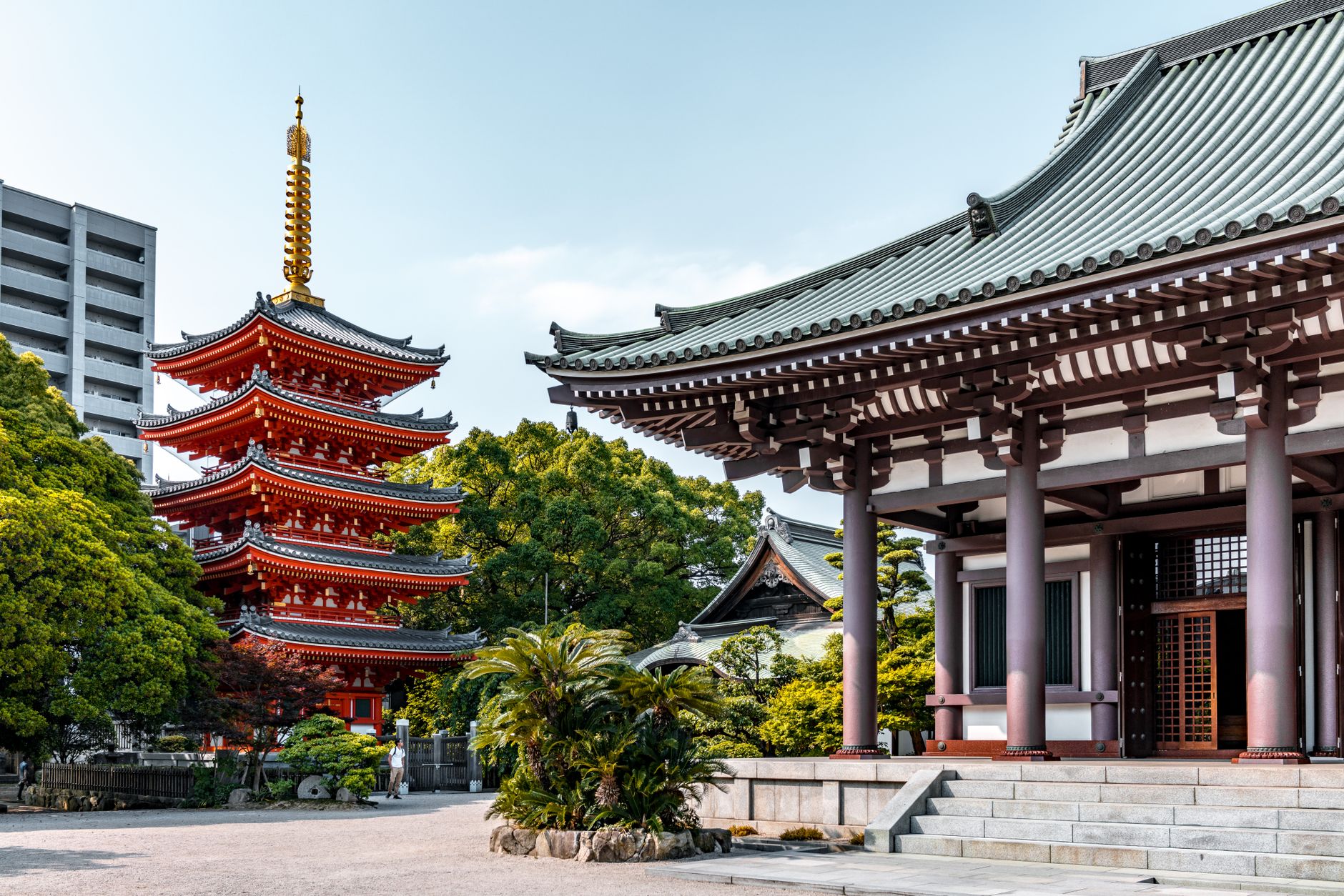
Traveling to Japan is an exciting experience that offers a rich tapestry of history, culture, and modernity. However, one of the first considerations for prospective travelers is navigating the visa requirements. Understanding whether you need a visa to visit Japan is crucial for a smooth travel experience.
This article will guide you through the current visa requirements for Japan, tailored to different nationalities, on how to apply for a visa if needed, and tips for a hassle-free trip.
Do You Need Visa To Go To Japan?
Whether you need a visa to enter Japan depends largely on your nationality and the purpose of your visit. Citizens of many countries can enter Japan for short stays without a visa, while others need to apply in advance. It’s essential to check the latest requirements based on your nationality before making travel plans.
Visa Exempt Countries
Many countries enjoy visa exemption for short visits to Japan, usually for tourism or business purposes. For most travelers from these nations, you can stay in Japan without a visa for a period ranging from 15 to 90 days, depending on your nationality.
Countries with Visa Exemption for Tourism
- United States – 90 days
- Canada – 90 days
- United Kingdom – 90 days
- Australia – 90 days
- New Zealand – 90 days
- Singapore – 90 days
- South Korea – 90 days
- Most EU countries – 90 days
- Hong Kong – 90 days
- Malaysia – 90 days
Make sure to verify your specific country’s requirements, as they can change over time.
Countries Requiring a Visa
Citizens from various countries must obtain a visa before entering Japan. This requirement generally applies to travelers from countries in Central Asia, the Middle East, Africa, and some parts of the Americas. Visa application processes and lengths of stay can vary significantly.
Types of Visas for Japan
If you determine that you need a visa to visit Japan, you’ll need to know which type suits your travel purpose. Here are the common types of visas:
Short-term Stay Visa
This visa is usually intended for tourism, business meetings, attendance at conferences, or similar purposes. Short-term stay visas are valid for stays of up to 90 days.
Long-term Stay Visa
For travelers planning to stay in Japan for a longer duration (more than 90 days), a long-term stay visa is required. This includes student visas, work visas, and residency visas.
Transit Visa
If you are transiting through certain airports in Japan on your way to another country, you may require a transit visa. Check with Japanese consular services for specific regulations.
How to Apply for a Visa to Japan
If you require a visa, it’s advisable to begin the application process well in advance of your departure date. Here’s a step-by-step guide for applying for a visa to Japan.
1. Determine the Type of Visa You Need
Understand the purpose of your visit and decide on the appropriate visa type.
2. Gather Required Documents
Collect the necessary documentation for your visa application. Typical requirements include:
- Valid passport
- Visa application form
- Recent passport-sized photo
- Travel itinerary (including flight bookings)
- Proof of accommodation (hotel bookings or invitation from a host)
- Financial documents (bank statements, proof of employment)
3. Submit the Application
Applications can typically be submitted at the nearest Japanese embassy or consulate. Some countries also allow application submissions through authorized travel agencies.
4. Pay the Visa Fee
Visa fees can vary depending on your nationality and the type of visa you are applying for. Be prepared for payment at the time of application.
5. Wait for Approval
The processing time for visa applications generally takes from 3 to 7 working days, but it can vary, so applying early is strongly advised.
Visa Waiver Programs and Updates
Japan has sometimes suspended visa exemptions due to public health measures or security concerns. Always check the latest updates regarding international travel rules, especially if you are planning to visit Japan during uncertain global health situations.
Traveling to Japan: Preparation Tips
Once you’ve confirmed your visa requirements, here are some practical tips to enhance your travel planning:
Best Time to Visit Japan
The best times to visit Japan are generally spring (March to May) and fall (September to November). During these seasons, the weather is pleasant, and you can witness beautiful cherry blossoms or vibrant autumn leaves.
Length of Stay
A week is often an adequate length of time to explore Japan, allowing for visits to major cities like Tokyo, Kyoto, and Osaka. For deeper exploration of rural areas or other islands, consider extending your stay.
Budgeting for Your Trip
Japan is known for being a relatively expensive country to visit. However, by planning ahead, you can manage your budget effectively:
Estimated Daily Costs
| Expense | Low-End | Mid-Range | Luxury |
|---|---|---|---|
| Accommodation | $30-$70 (hostels) | $100-$200 (mid-range hotels) | $250+ (luxury hotels) |
| Meals | $15-$30 | $30-$70 | $100+ |
| Transportation | $10-$20 | $20-$50 | $50+ |
Getting Around Japan
Transportation in Japan is efficient and reliable. Consider the following options:
- Rail System: The Shinkansen (bullet train) is famous for its speed and punctuality.
- Subways & Buses: Major cities offer excellent subway systems and buses to get around.
- Taxis: Widely available but can be costly.
- Bicycles: A great option for exploring cities like Kyoto.
Accommodation Options
Choosing where to stay can significantly impact your experience in Japan. Here are some recommendations based on traveler preferences:
Budget Travelers
- Hostels: Affordable and social environments.
- Capsule Hotels: Unique sleeping pods offering privacy at low costs.
Mid-Range Travelers
- Business Hotels: Clean, efficient, and conveniently located.
- Pensions and Ryokans: Authentic Japanese experience in a traditional inn.
Luxury Travelers
- Five-Star Hotels: Offering opulence and top-notch service.
- Luxury Ryokans: Experience traditional Japanese hospitality with gourmet meals.
Safety and Health Considerations
Japan is one of the safest countries to visit, with low crime rates. However, it’s always wise to take standard precautions:
- Be aware of your surroundings, especially in crowded places.
- Keep your possessions secure.
- Familiarize yourself with emergency numbers (e.g., police: 110, ambulance: 119).
Health and Travel Insurance
Purchasing travel insurance is highly recommended to cover medical expenses and unexpected travel disruptions. Ensure your insurance covers activities you may partake in while in Japan.
Final Thoughts
Confirming your visa requirements is crucial for a successful trip to Japan. With the right information, preparation, and understanding of Japan’s culture, you can embark on a traveling adventure filled with unforgettable experiences. Always keep the requirements and recommendations clear, allowing for a seamless journey.
For further reading, explore more about the worth of visiting Japan or understand the travel time to Japan. Happy planning!