
In recent years, many travelers have expressed concern over the rising costs of Uber rides. Once hailed as an affordable alternative to traditional taxis, the price for an Uber has fluctuated dramatically, making affordable transportation seem like a distant memory. In this article, we’ll delve into the reasons behind these price increases and provide insights on how to manage your transportation expenses better.
Understanding why Uber costs more today involves examining several factors, such as supply and demand principles, operational costs, inflation, and various external influences. This comprehensive guide aims to help you navigate the pricing landscape of rideshares and make informed decisions during your travels.
Why Is Uber So Expensive Today?
Uber prices have risen due to increased operational costs, market demand, and various economic factors. Understanding these issues can help you determine the best time to book an Uber and how to budget for rideshare expenses.
Understanding Supply and Demand
The fundamental economic principle of supply and demand plays a crucial role in determining Uber ride prices. When demand exceeds supply, prices rise significantly. Factors contributing to this imbalance include:
- High demand during peak hours: Rideshare demand typically surges during rush hours, holidays, and special events. When too many riders seek a limited number of drivers, surge pricing kicks in, drastically increasing fares.
- Driver shortage: Years of high flexibility and low wages have led many potential drivers to pursue other opportunities. This shortage of drivers, combined with persistent rider demand, has directly contributed to higher prices.
Surge Pricing Explained
One of the most significant contributors to rising costs is Uber’s dynamic pricing model, often referred to as surge pricing. During periods of high demand, prices can spike to encourage more drivers to pick up riders and balance the demand.
Surge pricing can sometimes lead to fares exceeding 2 or 3 times the usual rate. To avoid higher prices, consider scheduling rides during non-peak hours or utilizing fare comparison options within the Uber app.
Operational Costs and Inflation
In addition to market dynamics, operational costs directly affect Uber’s pricing structure. Key factors include:
- Rising fuel prices: Fluctuations in fuel costs impact the overall pricing structure, contributing to higher fares. If gas prices increase due to geopolitical tensions or supply chain issues, you can expect Uber fares to reflect those changes.
- Vehicle maintenance: Drivers are responsible for their vehicle upkeep. Higher maintenance costs, insurance premiums, and repairs can lead drivers to adjust fares accordingly.
- Labor costs: Many drivers are seeking better compensation for their time and expertise. This shift has resulted in increased immediate earnings per ride, which inevitably raises prices for the rider.
Market Competition and Alternatives
While Uber remains a flagship rideshare service, it’s important to acknowledge the competitive landscape. Alternative services like Lyft, industry adaptations, and taxi services can influence pricing across the board. Here’s how competition impacts Uber fares:
- Price wars: When competition is fierce, companies sometimes lower prices to gain market share. Though this can temporarily lower Uber rates, it may also decrease the quality of service.
- Increased price transparency: Potential riders have access to multiple apps and services to compare prices in real time. This price transparency prompts Uber to maintain competitive rates, but if other companies lower their prices, Uber might raise fares to uphold profit margins.
External Economic Influences
Global economic conditions significantly impact Uber prices. Keep these external factors in mind:
- Inflation: General increases in living costs—including food, housing, and services—have affected ridesharing as well. As the costs for consumers rise, how firms do business ultimately charges more for rides.
- Economic downturns: During economic recessions or downturns, the demand for ridesharing can decrease, leading companies to raise prices to stabilize profits and maintain services.
City-Specific Prices and Regulations
Uber pricing is often impacted by local economic conditions and regulations. Cities may have different cost-of-living metrics, resulting in variations in base fares, surge multipliers, and ancillary fees, including tolls or city-specific taxes. Here are some considerations:
- Regulatory compliance: Some cities impose additional regulations that increase operating costs for rideshare services. These can include licensing fees or insurance requirements that contribute to higher fare structures.
- Market competition: In cities with limited competition, Uber may raise its prices due to reduced pressure from rival companies.
How to Manage Your Rideshare Costs
Understanding pricing dynamics is crucial for managing your travel budget effectively. Here are practical tips to help you save on Uber rides:
- Use fare comparison tools: Utilize apps that allow you to compare rideshare prices to get the best deal available at the time of booking.
- Avoid surge pricing: Plan your rides around peak hours. If you can wait until demand decreases, you’ll save significantly.
- Consider sharing: Use UberPool or other carpool services to share rides with other passengers, lowering your costs while reducing the number of vehicles on the road.
- Sign up for discounts: Look for discounts and promotions, especially for first-time users or special events.
- Plan ahead: If you know you’ll need a ride during a busy period, consider pre-booking your trip, if available, to avoid higher rates.
The Future of Ridesharing and Pricing Trends
The rideshare market continues to evolve with technology and user preferences. Several trends may shape the future of Uber pricing:
- Increased automation: The potential rise of autonomous vehicles could significantly reduce operational costs and fares in the long run.
- Sustainable practices: As the environmental impact of ridesharing gains attention, companies may need to invest in electric vehicles or eco-friendly options, which could affect prices.
- Enhanced customer experience: Innovations in app features, personalization, and customer service may lead to improved rider loyalty but could also mean adjustments in fare structures.
When to Use Uber vs. Other Transportation Options
In some cases, Uber might not be the most economical choice. Here are some alternatives to consider:
- Public transportation: Buses, subways, and trains can be significantly more affordable, especially for short distances.
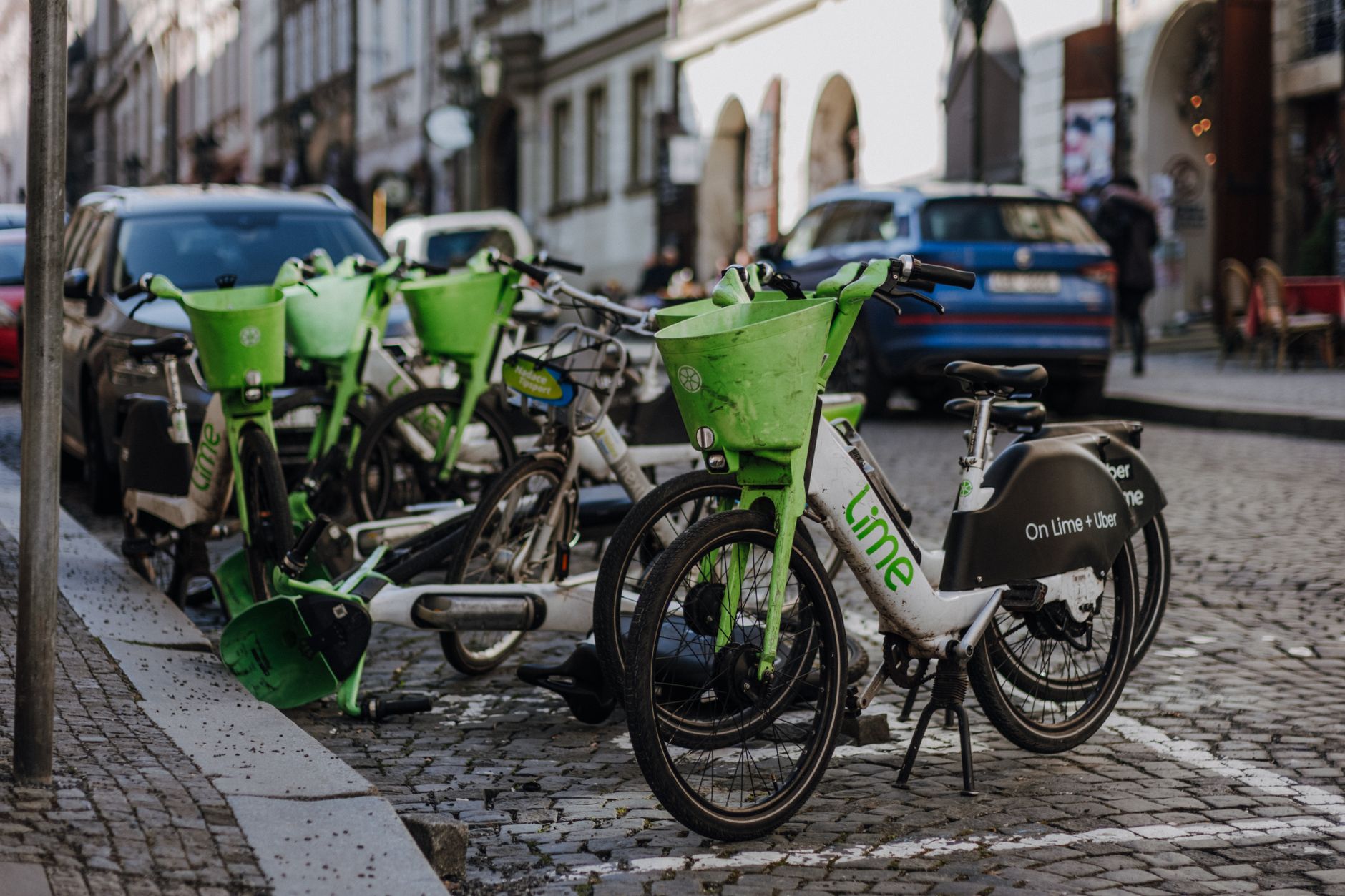
- Bicycle rentals: Many cities offer bicycles for rent, allowing you to explore on two wheels while saving money.
- Walking: If destinations are within walking distance, opt for exploring by foot to avoid any transportation costs entirely.
Conclusion: Make Your Uber Experience Affordable
Rising Uber costs can be attributed to numerous factors, including supply and demands mechanics, operational costs, market competition, and external economic influences. By understanding these dynamics and employing strategic planning, travelers can manage their rideshare expenses more effectively. Consider your transportation options carefully and take advantage of available tools and tips for a cost-efficient travel experience.
For more helpful travel advice, check out related articles on our blog, including what Uber Black means and whether Brazil is cheap for travelers.