
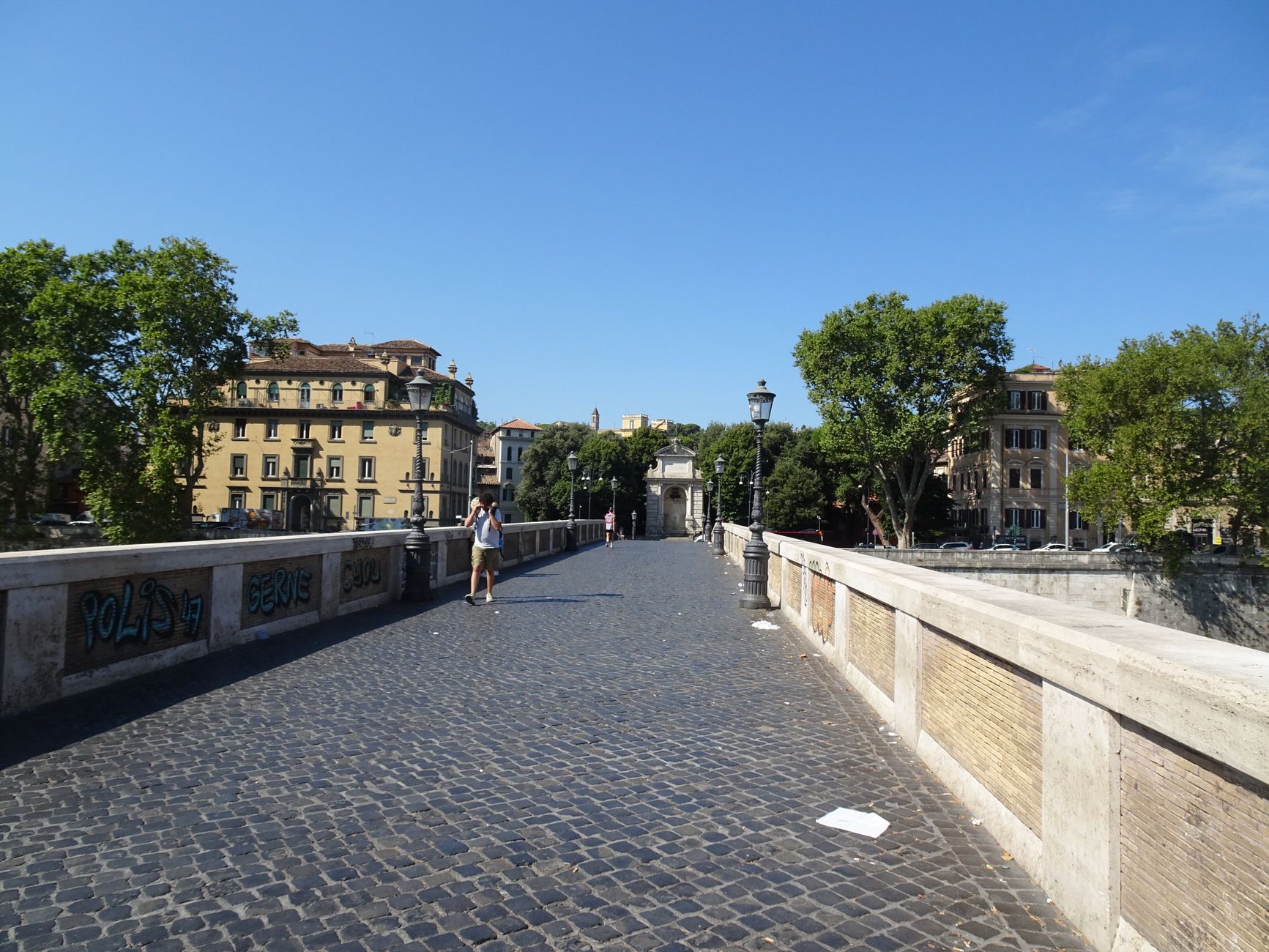
The Manhattan Bridge, an iconic architectural marvel in New York City, is not just a thoroughfare for cars and trains, but also an accessible path for pedestrians. Walking on the Manhattan Bridge provides an opportunity to experience the city from a unique vantage point above the East River.
This guide will provide critical insights into walking on the Manhattan Bridge, including what to expect, tips for a smooth visit, and the best ways to enjoy your time on this historical bridge.
Can You Walk On Manhattan Bridge?
Yes, you can walk on the Manhattan Bridge. The pedestrian walkway, located on the south side of the bridge, allows visitors to enjoy stunning views of the Manhattan skyline and Brooklyn. You can access the bridge from both Manhattan and Brooklyn sides.
Why Walk on the Manhattan Bridge?
Walking on the Manhattan Bridge offers several advantages:
- Scenic Views: The bridge provides breathtaking panoramic views of the Manhattan skyline, Brooklyn Bridge, and the East River.
- Less Crowded: Compared to other famous bridges like Brooklyn Bridge, the Manhattan Bridge tends to be less crowded, allowing for a more peaceful walk.
- Unique Perspective: Experience the city from a different perspective, with a blend of urban sights and sounds.
- Access to Williamsburg: The bridge connects you directly to Brooklyn’s Williamsburg neighborhood, known for its vibrant arts scene, restaurants, and shops.
Where to Start Your Walk
You can access the pedestrian walkway on the Manhattan Bridge from either end. Here are the starting points:
From Manhattan
The entrance from Manhattan is located at Canal Street and Bowery. To reach it:
- Take the subway to Canal Street station (N, Q, R, or W trains).
- Walk east on Canal Street until you reach Bowery, then head north to the entrance.
From Brooklyn
The entrance from Brooklyn can be found at the intersection of Flatbush Avenue Extension and Tillary Street:
- Take the subway to Jay St-MetroTech station (A, C, or F trains).
- Exit the station and head northeast towards the pedestrian entrance.
What to Expect During Your Walk
The pedestrian walkway on the Manhattan Bridge is about 1.1 miles long and offers a unique journey through the city skyline.
- Path Conditions: The walkway is well-maintained, featuring a paved path separate from the vehicular lanes.
- Noise Levels: Be prepared for the sounds of traffic, but the experience is moderated by the high vantage point.
Best Times to Walk the Manhattan Bridge
The experience of walking on the Manhattan Bridge can vary significantly depending on the time of day and season.
Seasonal Considerations
- Spring (March – June): The weather is pleasant, blooming flowers add to the city’s beauty, and the bridge is less crowded.
- Summer (June – September): Expect warm weather but also larger crowds. Mornings or late afternoons are ideal for fewer people and stunning sunset views.
- Fall (September – November): Fall foliage provides gorgeous views, and temperatures are cooler, making it a great time to visit.
- Winter (December – February): While it can be cold, winter provides a unique charm, especially if there’s a dusting of snow.
Time of Day
Walking during sunrise or sunset can enhance your experience. The changing light can create magical views of the skyline and the river.
What to Bring While Walking on the Manhattan Bridge
A few essentials will ensure a comfortable and enjoyable walk:
- Comfortable Shoes: You’ll be walking for a while, so wear supportive footwear.
- Water: Stay hydrated, especially during warmer months.
- Camera: Capture the stunning views of the city and yourself on the bridge.
- Sunscreen and Hat: Protection from the sun is crucial, particularly in the summer months.
Things to Do Near the Manhattan Bridge
After your walk, take some time to explore the surrounding areas. Here are a few suggestions:
In Brooklyn
- Brooklyn Bridge Park: A waterfront park featuring playgrounds, picnic areas, and superb views of the Manhattan skyline.
- Brooklyn Heights Promenade: A scenic walkway that offers picturesque vistas and a lovely place to relax.
- Williamsburg: Check out the trendy neighborhood with boutiques, bars, and restaurants. Don’t miss Smorgasburg if you’re visiting on a weekend.
In Manhattan
- Chinatown: After crossing over, explore the vibrant streets of Chinatown, filled with shops and delicious eateries.
- Lower East Side: Discover the history and culture of this eclectic neighborhood, visiting spots like the Tenement Museum.
Accessibility Considerations
Walking on the Manhattan Bridge is generally accessible, but keep a few considerations in mind:
- Pathway Width: The pedestrian walkway can be narrow at points, which might make navigation challenging during busy periods.
- Rest Areas: There are limited benches or rest areas on the bridge itself.
Safety Tips for Walking on Manhattan Bridge
Your safety is paramount during your walk. Here are several tips to enhance your experience:
- Stay Alert: While walking, remain aware of your surroundings and steer clear of any rushing cyclists.
- Follow Pedestrian Signs: Stay within the designated pedestrian areas and follow any signs for pedestrian access.
- Be Cautious with Photos: While it’s tempting, don’t block the walkway to capture that perfect shot.
How Long Does It Take to Walk Across the Manhattan Bridge?
The average person takes approximately 30 to 40 minutes to walk across the bridge, but this may vary depending on your pace and the time taken to enjoy the views and take photos.
Combining Your Walk with Public Transport
If you plan to extend your trip, use the New York City subway system for easy and convenient access to various neighborhoods.
- Subway Lines: The A, C, and F lines serve stations near the Brooklyn side, while the N, Q, R, and W serve stations close to the Manhattan side.
- Connecting to Other Areas: Both ends of the bridge connect you to various subway lines, making it easy to explore even more sites.
Accommodation Options in the Area
If you are planning a longer stay, consider these accommodation options near the Manhattan Bridge:
In Manhattan
- Lower East Side Hotels: A range of boutique hotels can be found, providing easy access to both the bridge and nearby attractions.
- Midtown Accommodations: Many hotels are located within a short subway ride or walk to the Manhattan Bridge.
In Brooklyn
- Williamsburg Lofts and Hotels: This vibrant neighborhood features a variety of lodging options, from budget to luxury.
- Brooklyn Heights B&Bs: Enjoy the local charm and welcoming atmosphere at bed and breakfasts near the waterfront.
Conclusion: Plan Your Walk on the Manhattan Bridge
Walking across the Manhattan Bridge is an enriching experience that offers scenic views, memorable perspectives of New York City, and a chance to enjoy the vibrant areas of both Manhattan and Brooklyn. Whether you are a local or a visitor, the bridge provides a unique and enjoyable way to explore the city.
To make the most of your trip, plan your walk according to the best times of day, pack essentials, and consider exploring nearby neighborhoods afterward. Don’t miss the chance to take stunning pictures along the way and truly soak in the beauty of this iconic structure.
For those looking for more travel inspiration, check out our guides on how to get to Roosevelt Island and things to do in Williamsburg, Brooklyn.