
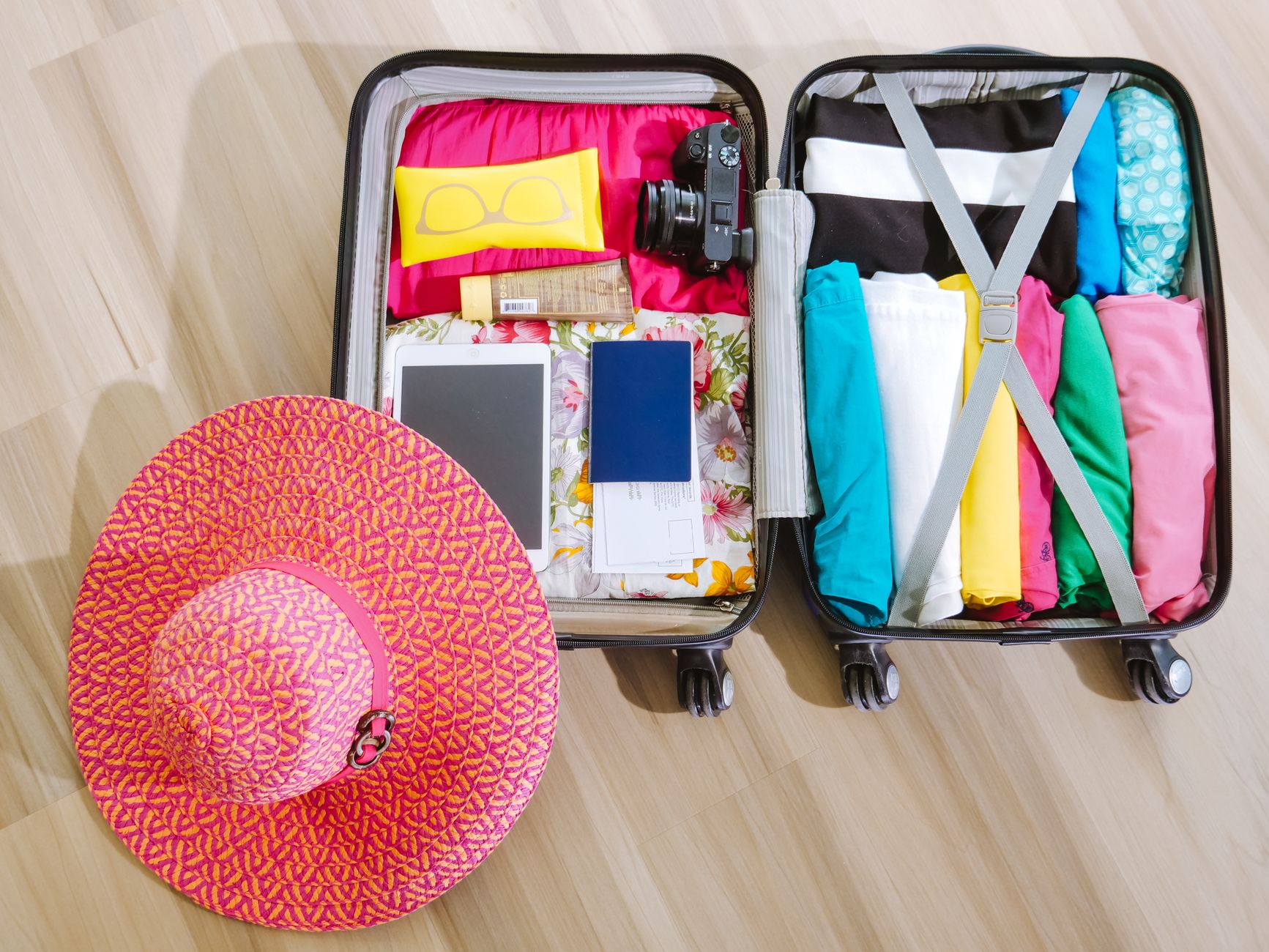
Traveling opens up a world of possibilities, but it often comes with many questions about what you can or cannot bring along. Whether you’re preparing for a flight or hitting the road, understanding what items you can pack is crucial for a smooth journey. From personal items to travel essentials, we’ll explore the guidelines surrounding what you can bring on various modes of transportation.
In this article, we’ll cover categories like food and drink, electronics, personal care products, and even recreational items. By the end of your reading, you’ll have a clearer understanding of travel regulations, enabling you to pack wisely for your next adventure.
Can You Bring Food or Drink on Your Trip?
One of the most common questions travelers ask is whether they can bring food and drink. The answer often depends on the transportation method and the specific items in question.
Air Travel: Guidelines for Food and Drink
The Transportation Security Administration (TSA) imposes strict regulations for food items carried aboard flights. Here’s what you need to know:
- Solid Foods: Solid foods such as sandwiches, fruits, and snacks can generally be packed in your carry-on luggage.
- Liquids: Any liquid or gels must adhere to the 3-1-1 rule, meaning containers must be 3.4 ounces (100ml) or less and packed in a single quart-size bag. This includes beverages like sodas, juices, and any sauces.
- Frozen Foods: Frozen items are allowed, but they must be solid when going through security. If they melt, they may be subject to the 3-1-1 rule.
Always check with individual airlines, as some may have additional restrictions.
Road Travel: Packing Food and Drink
When traveling by car, you’ll have more flexibility. Most states do not have strict prohibitions against packing food or beverages. Here are some items you might consider bringing:
- Snacks: Granola bars, nuts, and fruits are all excellent travel-friendly options.
- Beverages: Bring a cooler for drinks like water, soda, or juice, keeping them cool for long trips.
- Meals: You may want to pack a lunch or prepare a meal in advance, especially for long journeys.
Ensure that perishable items are kept in a cooler with ice packs to prevent spoilage.
Can You Bring Electronics on Your Trip?
Electronics are integral to many travelers. However, regulations vary based on your destination. Here’s what to keep in mind:
Air Travel: Electronics in Your Luggage
Most airlines allow passengers to bring onboard laptops, tablets, cameras, and other electronic devices. Here’s how to handle them:
- Carry-On: Large electronics must be removed from your bag when passing through security for separate screening.
- Power Banks: Power banks must generally be under 100Wh, and you should keep them in your carry-on luggage. Check with your airline for specific limits.
- Travel Adapters: Ensure you pack the appropriate power adapters for your destination.
Road Travel: Electronics Considerations
During a road trip, consider packing travel necessities like chargers and portable power sources. Here are essentials:
- Chargers: Don’t forget chargers for all electronic devices.
- Entertainment: Download movies and playlists ahead of time for long stretches without internet access.
Also, remember to safely store devices during breaks to avoid theft.
Can You Bring Personal Care Products?
Understanding the rules surrounding personal care products is important, especially for air travel. Here’s what to know:
Air Travel: Personal Care Products
Most personal care items can be brought onto airplanes, but there are regulations:
- Liquids and Gels: All containers of liquid and gel items must be 3.4 ounces or smaller and fit in one quart-sized clear bag.
- Makeup: Solid makeup is typically allowed in larger containers, but liquid makeup must adhere to the liquid regulations.
Full-sized toiletries can be placed in checked luggage if they do not fit the carry-on guidelines.
Road Travel: Personal Care on the Go
For road trips, packing personal care items is straightforward. Suggested items include:
- Toiletries: Bring essential toiletries like toothpaste, deodorant, and shampoo.
- First Aid: Carry a basic first aid kit with band-aids, antiseptics, and any necessary medications.
Can You Bring Recreational Items?
Depending on your travel plans, recreational items like bicycles, surfboards, or camping gear may come into play. Here’s a closer look:
Air Travel: Packing Recreational Gear
Transporting recreational items by air can be tricky and often requires special attention:
- Sports Equipment: Many airlines allow sports equipment, but they often come with additional fees. Be sure to check your airline’s policy.
- Size Restrictions: Larger items may need to be dissembled or packed in specific gear bags to meet size requirements.
Road Travel: Bringing Recreational Items
Packing recreational gear for a road trip is usually easier:
- Outdoor Equipment: Carry camping gear, surfboards, or bicycles without as many restrictions as on a flight.
- Safety Considerations: Ensure all items are securely attached to your vehicle if transporting them on a roof rack or trailer.
Can You Bring Medications?
Traveling with medications requires careful preparation. Here’s how to ensure you have everything covered:
Air Travel: Medications in Your Luggage
When bringing medications, please consider the following:
- Carry-On Only: Always pack medications in your carry-on luggage to avoid complications.
- Proper Labels: Keep medications in their original containers and ensure they have proper labels with your name and dosage information.
- Travel Documentation: For prescription medications, carry a copy of the prescription, especially if traveling internationally.
Road Travel: Carrying Medications
For road travel, the same guidelines generally apply:
- Easy Access: Keep medications accessible in a designated compartment or bag.
- Emergency Contact: If traveling with family, make sure someone knows the medication routine in case of an emergency.
When to Check Specific Regulations
Before embarking on your journey, it’s essential to check for specific regulations that may affect what you can bring. Here’s how:
- Airlines: Always review the airline’s official website for any updates on luggage policies, fees, and restrictions.
- Destinations: Different countries may have unique customs regulations, particularly with regard to food and health products.
- Transportation Methods: Buses, trains, and ferries all have their own regulations, so make sure you verify those as well.
Tips for Efficient Packing
Now that you understand what you can bring, it’s time to optimize your packing. Here are some tips:
- Make a Checklist: Create a packing list to avoid bringing unnecessary items or forgetting must-haves.
- Use Packing Aids: Invest in packing cubes or compression bags to save space.
- Consider Multi-Use Items: Bring clothes or toiletries that can serve multiple purposes to lighten your load.
Planning for Disasters
Sometimes things don’t go as planned. Here’s how to prepare:
- Emergency Plans: Familiarize yourself with emergency contacts for both your travel accommodations and your travel insurance provider.
- Backup Copies: Keep copies of essential documents like your passport, medication lists, and travel insurance details.
Final Thoughts on Bringing Items While Traveling
Knowing what you can bring, combined with effective packing strategies, plays a critical role in ensuring smooth travels. Always remember to check the latest travel regulations and airline-specific guidelines to avoid last-minute surprises.
Being well-informed will help reduce stress and make traveling more enjoyable.
Next time you’re planning a trip, take the time to research, pack smart, and enjoy your journey fully. Safe travels!
If you’re interested in more travel planning tips, check out these helpful articles on bringing specific items: edibles in a checked bag and Liquid IV on a plane.