
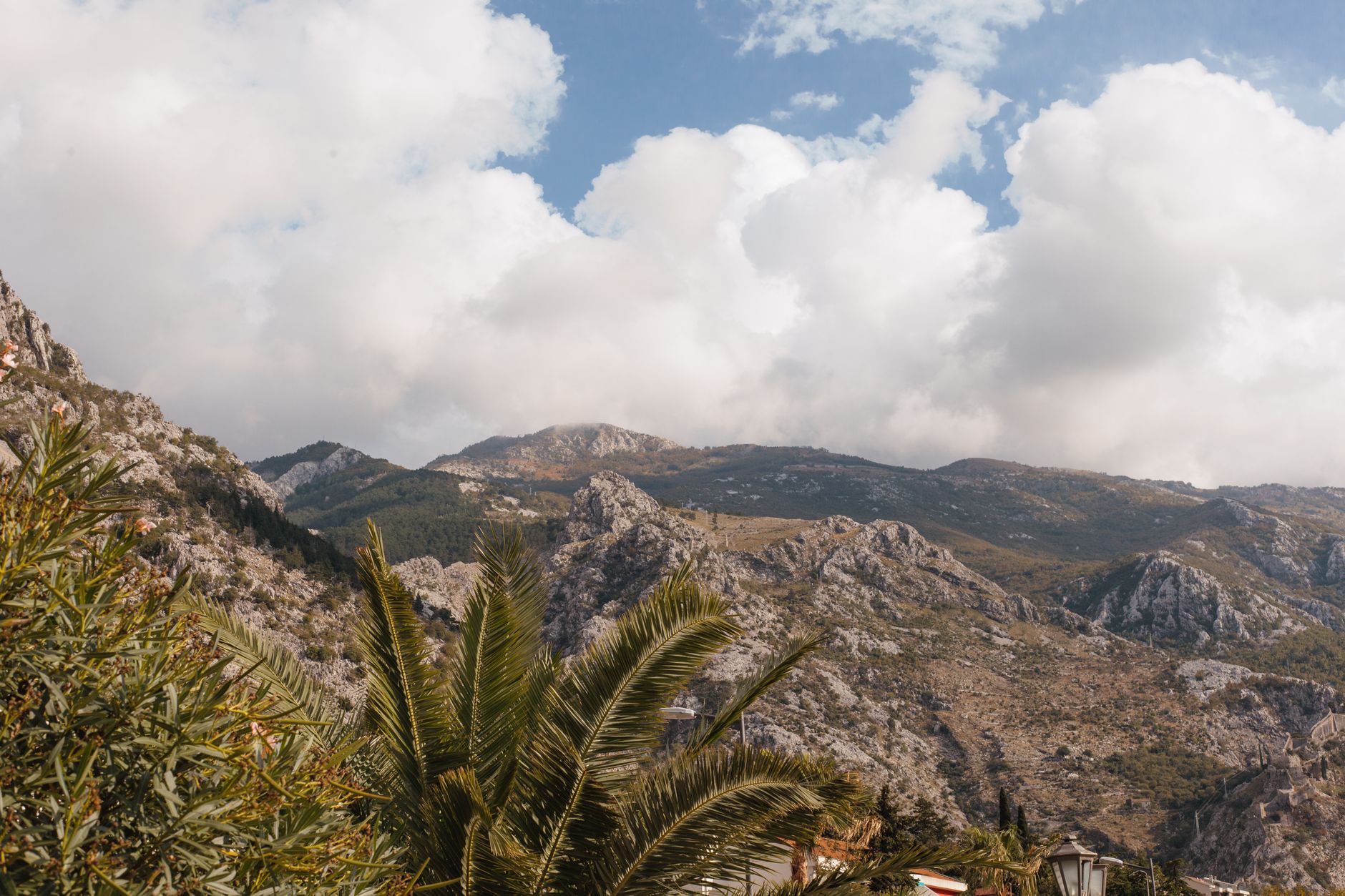
Iceland, often known for its stunning landscapes and diverse natural wonders, is home to a plethora of striking geographical features, including numerous mountains. In fact, mountains play an integral role in shaping the country’s topography, climate, and hiking culture. With peaks that offer breathtaking views and challenging trails, the mountains of Iceland are a major draw for outdoor enthusiasts and nature lovers alike.
Travelers visiting Iceland will find a place where dramatic landscapes unfold before their eyes, making it one of the most beautiful destinations in the world. The mountains themselves present not only stunning visual experiences but also excellent opportunities for adventure, exploration, and cultural enrichment.
Does Iceland Have Mountains?
Yes, Iceland has numerous mountains, many of which are volcanic in origin. The country features some significant peaks, including the renowned Hvannadalshnúkur, the highest point in Iceland, as well as the distinctive volcanic landscapes found in areas like the Highlands. These mountains are popular destinations for hiking, climbing, and sightseeing, offering visitors a chance to engage with nature in unique and captivating ways.
Understanding Iceland’s Mountain Range
The mountains of Iceland form part of the larger Mid-Atlantic Ridge, which is an underwater mountain range. This means that the country is located on two tectonic plates and experiences frequent geological activity, including eruptions and earthquakes. These geological features create an impressive array of mountain ranges and peaks.
- Eastern Highlands: This region is known for its rugged terrain and towering peaks, including the famous Mount Snæfellsjökull.
- Western Fjords: Characterized by deep fjords and steep mountains, this area is less traveled yet offers stunning views and remote hiking trails.
- South Coast: The mountains here create a landscape dotted with lush valleys, flowing rivers, and majestic waterfalls.
- Central Highlands: Remote and wild, the mountains in this region are ideal for adventurous travelers looking to explore unique geological features.
Notable Mountains of Iceland
Understanding the noteworthy mountains in Iceland can help travelers plan their itineraries effectively. Here are some of the most significant peaks across the country:
Hvannadalshnúkur
As the highest peak in Iceland, standing at 2,110 meters (6,922 feet), Hvannadalshnúkur is one of the most sought-after climbs in the country. Located in Vatnajökull National Park, it offers breathtaking views of the surrounding glaciers and landscape. The hike to the summit typically requires a guided tour due to the challenging conditions.
Snæfellsjökull
This iconic stratovolcano, roughly 1,446 meters (4,778 feet) high, is located on the Snæfellsnes Peninsula. It is famous for its mix of glaciers and volcanic mountains, which inspired Jules Verne’s “Journey to the Center of the Earth.” The area around Snæfellsjökull is excellent for hiking, with scenic routes providing access to diverse ecosystems.
Klakkur Mountain
Standing at 600 meters (1,969 feet), Klakkur is a popular hiking destination located on the island of Viðey Island. Its moderate ascent and spectacular views make it ideal for families and casual hikers. The route can be completed in a couple of hours, making it suitable for a day trip.
Askja
Situated in the central highlands, Askja is a volcanic caldera around 1,516 meters (4,967 feet) tall. The area is stunning, with lakes and geothermal activity. The hike to Askja requires access via 4×4 vehicles or organized tours, which are often available during the summer months. The crater produces an aura of mystique and beauty that attracts many nature lovers.
Best Areas for Hiking and Mountaineering
Iceland is a mecca for hikers and mountaineers, offering a variety of trails suitable for different skill levels. Below are some of the best areas to explore the country’s mountainous terrain:
Landmannalaugar
This area in the Highlands is known for its colorful rhyolite mountains and geothermal hot springs. The Laugavegur Trail, one of Iceland’s famous hiking routes, starts here and offers stunning views. Hikers can experience diverse landscapes, from hot springs to glaciers, during their trek.
The Laugavegur Trail
Along this well-known long-distance trail, trekkers traverse about 55 kilometers (34 miles) from Landmannalaugar to Þórsmörk. It usually takes four to six days to complete and provides an adventurous way to see multiple mountains and unique geological formations, including volcanic landscapes and vibrant valleys.
The Fimmvörðuháls Pass
This hike from Skógar to Þórsmörk across the ridge between the Eyjafjallajökull and Mýrdalsjökull glaciers is a spectacular journey. It is well-known for its breathtaking views and diverse landscapes, making it a favorite among hikers seeking adventure. This trek covers approximately 25 kilometers (15.5 miles) and can be completed in a day.
Traveling to and Around Iceland
Getting to Iceland is increasingly easier with numerous international flights landing in Reykjavik’s Keflavik International Airport. When traveling within the country, various transportation options allow you to explore the mountainous areas more effectively.
Flights
Direct flights to Reykjavik are available from major North American and European cities. It is advisable to book your flight in advance, especially during peak tourist seasons.
Rental Cars
While renting a car is one of the most popular options for exploring Iceland, travelers should be aware that many mountainous areas require a 4×4 vehicle due to rough and unpaved roads. Planning your route in advance will help you navigate the best-accessible mountains.
Tours and Guides
Numerous tour operators offer guided mountain hikes and excursions, which can be beneficial for those unfamiliar with the terrain. Guided tours ensure that you stay safe while learning about the unique features of each mountain region.
Where to Stay Near the Mountains
Finding suitable accommodation is crucial for maximizing your experience in the mountainous regions of Iceland. Depending on your travel style, options range from luxurious hotels to budget-friendly hostels and camping grounds.
Hotels and Lodges
There are various hotels and lodges located near popular hiking spots, such as:
- Hotel Skaftafell: Located near Vatnajökull National Park, this hotel provides comfortable accommodations with easy access to hiking trails.
- Frost and Fire Hotel: Nestled near the geothermal area in Hveragerði, it’s an excellent base for travelers wanting to explore the nearby mountains.
- Fjalladýrð Campground: Perfect for those looking for an outdoor experience and proximity to the mountains without breaking the bank.
Camping
Campsites are prevalent across Iceland and allow visitors to immerse themselves in nature. Facilities typically include restrooms and cooking areas. Popular camping spots are located near hiking trails, like those in Þingvellir National Park or by the Vatnajökull glacier.
When to Visit the Mountains
The best time to explore Iceland’s mountains largely depends on the activities you wish to pursue and the weather conditions prevalent throughout the year.
Summer (June to August)
Most hiking trails are open during the summer months when the weather is milder, and the days are long. This is the peak season for hikers and climbers, making it ideal for those looking to explore the mountains.
Autumn (September to October)
As the weather begins to cool, autumn presents beautiful fall foliage and fewer crowds. It’s a great time for photography, although some trails may start to close due to snow.
Winter (November to March)
Winter brings snow to many of the mountains, which makes for stunning winter landscapes. However, conditions can be more challenging, and some trails may be inaccessible. Skiing and snowboarding are popular during this time.
Spring (April to May)
With the return of warmth in spring, the melting snow offers a unique view of the mountains. May is particularly great for viewing blooming flora and fauna while experiencing the awakening landscape.
Budget Considerations
Traveling to Iceland can be an expensive endeavor, but with careful planning, it is possible to manage costs effectively.
- Accommodation: Prices vary widely, often spiking during summer. Look for deals early or consider camping for budget savings.
- Food: Eating out can be costly. Consider grocery shopping or dining at local food trucks for a more budget-friendly option.
- Transportation: Renting a car can be a more economical choice than relying on tours if you are traveling in a group. Make sure to factor in fuel costs as well.
Safety Considerations
While exploring Iceland’s mountainous terrain, safety should remain a top priority. Here are some critical tips to keep in mind:
- Always check the weather forecast before heading out. Conditions can change rapidly, especially in mountainous regions.
- If hiking or climbing alone, ensure you inform someone of your intended route and expected return time.
- Dress in layers and carry sufficient gear, including water, snacks, and a first aid kit.
- Stay on marked trails to avoid getting lost, and familiarize yourself with local wildlife and environmental conditions.
Final Thoughts
Iceland’s mountains are a tapestry of dramatic landscapes that not only provide breathtaking views but also invite exploration. With multiple hiking options, geological wonders, and adventure opportunities, these peaks promise an experience unlike any other. Whether you’re seeking a challenging ascent or a leisurely hike with stunning vistas, the mountains of Iceland are sure to leave a lasting impression.
As you plan your adventure, consider exploring our guides to nearby attractions and experiences, such as how to see the northern lights in Ireland or things to do in Victoria, BC.