
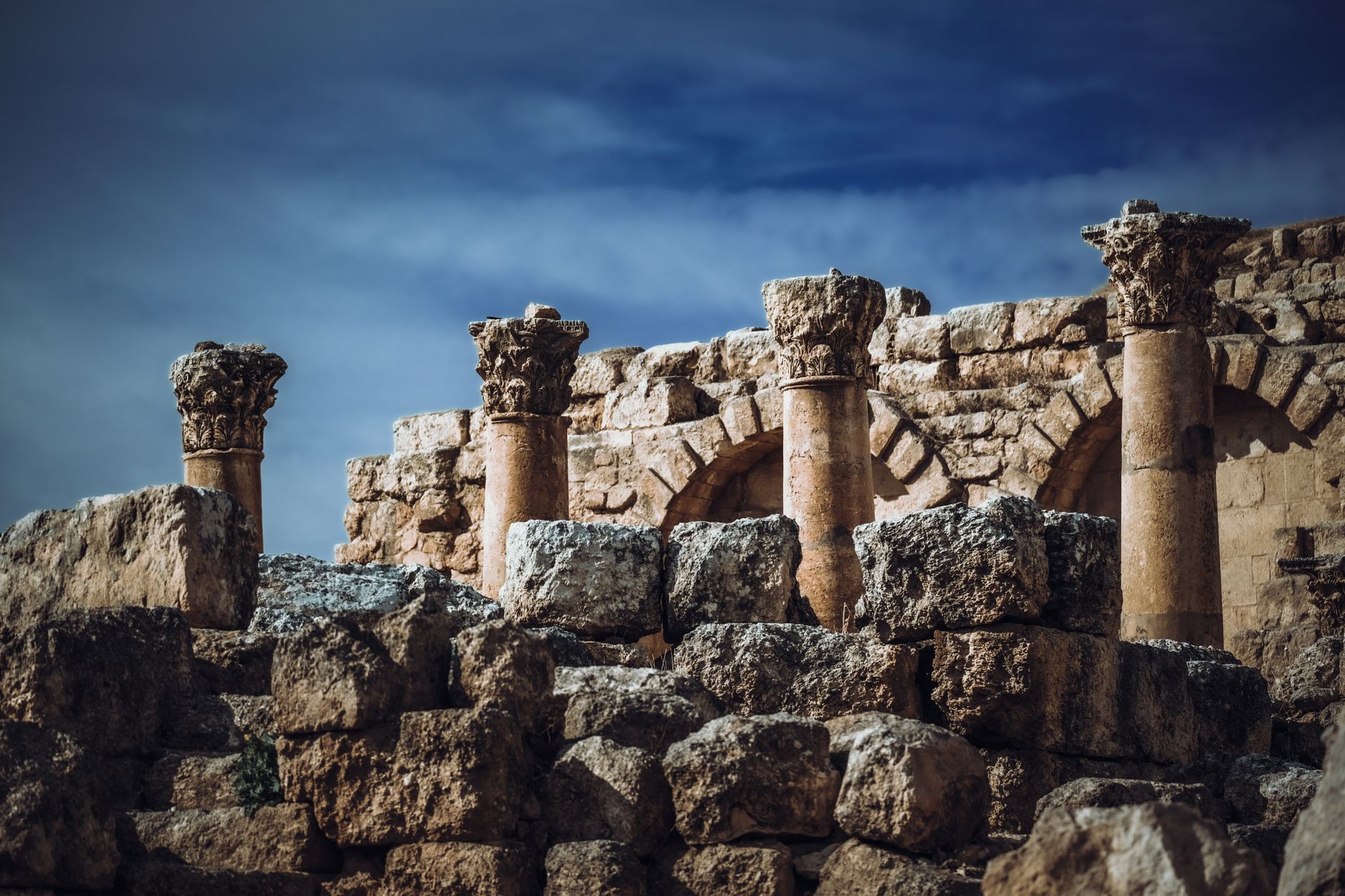
Troy, the legendary city known from ancient myths and epics, is more than just a tale from the pages of history. Modern-day Troy, located in Turkey, offers a fascinating glimpse into the past while being a vibrant destination for travelers. This article delves into what you can expect when visiting this remarkable site.
From archaeological wonders to breathtaking landscapes, understanding modern-day Troy is key for those wishing to explore this pivotal historical landmark. Whether you’re a history nerd, an archeological enthusiast, or simply someone looking for an adventurous getaway, Troy has something to offer.
What Is Modern Day Troy?
Modern-day Troy is located in northwestern Turkey, near the Dardanelles Strait. It serves as the site of the ancient city known for the Trojan War and the famous Trojan Horse. This archaeological site, now a UNESCO World Heritage Site, attracts history enthusiasts and visitors eager to explore its ruins.
A Brief Historical Overview
Troy has a rich history that spans thousands of years, with settlements dating back to the Bronze Age. The most famous version of the Troy story comes from Homer’s “Iliad,” which details the events of the Trojan War and the cunning ruse of the Trojan Horse. The site of Troy has been excavated multiple times since the 19th century, revealing various layers of civilization from late Bronze Age to the Roman period.
Why Visit Modern Day Troy?
Visiting Troy offers a unique combination of cultural, historical, and educational experiences. Travelers can explore significant archaeological findings, witness local Turkish culture, and enjoy scenic views of the surrounding region. Here’s a breakdown of what makes Troy worth a visit:
- Rich History: Walk through one of the most important archaeological sites in the world.
- UNESCO World Heritage Site: This designation ensures ongoing conservation efforts and global recognition.
- Cultural Experience: Enjoy the local cuisine, festivities, and markets in the nearby town of Çanakkale.
- Stunning Scenery: The landscape around Troy, including the Dardanelles, is breathtaking and worth exploring.
Attractions and Things to Do
When planning your visit to Troy, several key attractions and activities are a must. Here’s a detailed guide on what to do at this historic site:
The Archaeological Site
The primary reason for visiting Troy is the archaeological site itself. It’s a large area with many ruins that depict different periods of settlement. Key highlights include:
- The Walls of Troy: This iconic structure varies from ancient to Roman adaptations, showcasing advanced engineering techniques.
- The Trojan Horse: A modern replica of the wood horse made famous by Homer, located at the entrance of the site.
- Houses and Streets: Walk through the remains of houses, streets, and other public buildings that tell the story of daily life in ancient Troy.
- The Temple of Athena: The ruins of this temple provide insights into the religious practices of the city.
The Troy Museum
Next to the archaeological site is the Troy Museum, which opened in 2018. This state-of-the-art facility showcases artifacts uncovered from the ruins, including pottery, tools, and sculptures. It offers educational exhibits that enhance one’s understanding of Troy’s significance.
Local Culture and Cuisine
Don’t miss the chance to immerse yourself in local culture. Nearby Çanakkale, the nearest city, is rich in Turkish heritage and home to various restaurants where you can sample local delicacies. Popular dishes include:
- Kebabs: A staple of Turkish cuisine, try different varieties!
- Mezes: Appetizers including hummus, olives, and local cheese.
- Baklava: A sweet pastry that makes for a perfect dessert.
Nearby Attractions
If you’re planning an extended stay, consider visiting nearby attractions:
- Gallipoli: A site of significant historical importance, especially during World War I.
- Assos: An ancient town offering stunning coastal views, approximately a 90-minute drive away.
- Canakkale Martyrs’ Memorial: A moving tribute to those who lost their lives in the Gallipoli Campaign.
When to Visit Troy
The best time to visit Troy is during the spring (April to June) and fall (September to October) months. During these periods, you can enjoy mild temperatures and relatively fewer crowds. Summers can be hot, making exploration less comfortable, while winters may involve rain and chilly temperatures.
Traveling to and Around Modern Day Troy
Getting to Troy is straightforward, with multiple transportation options available:
Getting There
- By Air: The nearest major airport is Çanakkale Airport, which is about 30 km from Troy. There are domestic flights connecting Istanbul and a few other major cities.
- By Bus: Several bus companies operate routes between Istanbul and Çanakkale; the journey takes about 6-7 hours.
- Car Rental: Renting a car can provide flexibility; it’s convenient for visiting surrounding regions.
Getting Around
Once in the area, getting around is easy with the following options:
- Walking: The archaeological site is best explored on foot; it allows for a more immersive experience.
- Public Transport: Local dolmuş (shared taxis) can be taken from Çanakkale to the archaeological site.
- Bicycles: Renting a bike can also be an enjoyable way to explore the vicinity.
Accommodation Options
Accommodation near Troy and in Çanakkale is varied, catering to different budgets and preferences:
Hotels
- Luxury Hotels: Some upscale hotels in Çanakkale offer stunning views and premium amenities.
- Mid-Range Options: Budget-friendly hotels and guesthouses provide comfortable stays and convenient access to local attractions.
- Hostels: For solo travelers or backpackers, hostels offer a great way to meet fellow travelers and share experiences.
Camping
For those looking for a more adventurous stay, consider camping nearby. There are campsites around the Dardanelles, where you can enjoy nature along with the historical experience of Troy.
Budget Considerations
- Entrance Fees: Make sure to check the current entrance fees for the archaeological site and museum.
- Transportation: Account for travel costs, whether by bus or rental car.
- Food Costs: Dining can vary in price; enjoy local street food for budget-friendly options.
Tips for Visiting Troy
Here are some practical tips to enhance your experience at modern-day Troy:
- Wear Comfortable Shoes: The archaeological site requires a lot of walking over uneven terrain.
- Sun Protection: Bring sunscreen and a hat, especially in the summer months.
- Stay Hydrated: Carry water while exploring to keep up your energy.
- Photography: Capture memorable moments but respect any signs prohibiting photography in specific areas.
Accessibility Considerations
For travelers with reduced mobility, the archaeological site may present challenges due to uneven ground and steps. However, local authorities are working to improve accessibility. It’s best to check with the site beforehand to understand what facilities are available.
Family and Solo Travel
Troy holds immense educational value and is thus suitable for family outings. Children will enjoy exploring the ruins and learning about history in an engaging setting. For solo travelers, the area is generally safe, and it is easy to connect with fellow travelers.
Safety Considerations
While known for its historical significance, it’s essential to stay informed about travel advisories. Keep abreast of regional developments and general safety guidelines while traveling within Turkey. As always, securing travel insurance is a practical step before embarking on your adventure.
What to Pack for Troy
Your packing list will depend on the season but consider these essentials for any trip:
- Comfortable Clothing: Lightweight, breathable attire works best for summer; layer up in colder months.
- Camera: To capture the amazing views and historical treasures.
- Travel Guide: A guidebook or an app can provide helpful insights about the site.
- Binoculars: Ideal for enjoying views of the Dardanelles and surrounding landscapes.
Modern-day Troy serves as a majestic lens into the past, blending history with nature and culture. A visit here can be a deeply enriching experience, offering insights into a world that shaped narratives and legends. To make the most of your adventure, plan your itinerary thoughtfully and be prepared for an unforgettable experience.
For further exploration, consider checking out our related guides like things to do in Alexandria, Egypt and things to do in Warsaw, Poland for more travel inspiration.