
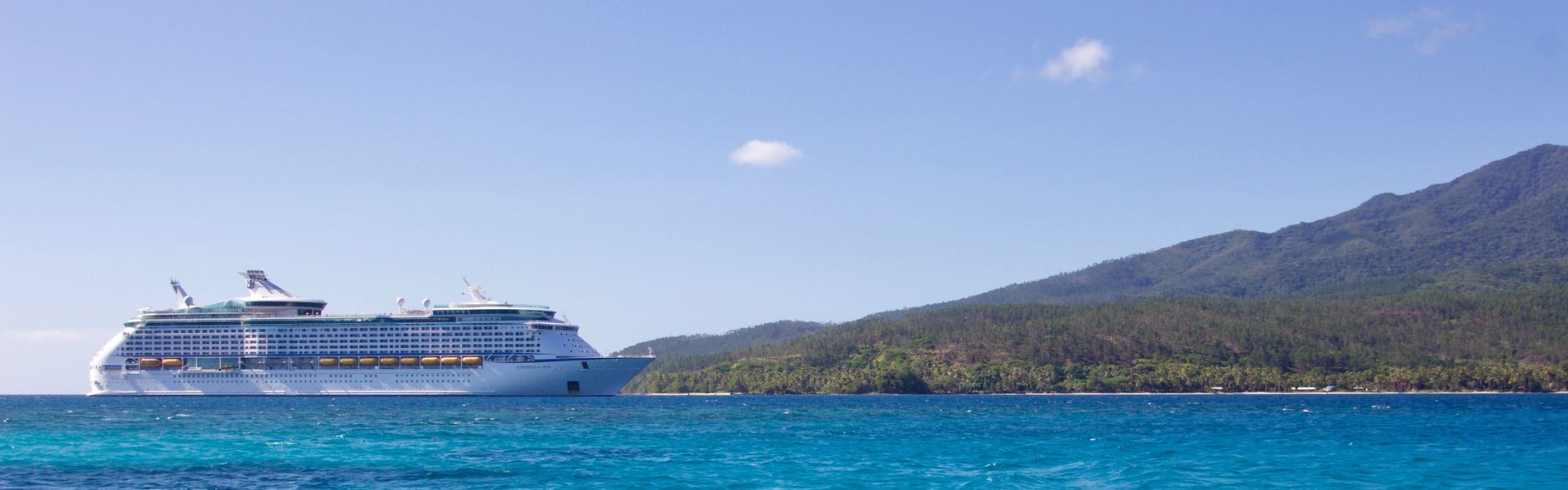
A transatlantic cruise is a seafaring trip across the Atlantic Ocean, typically connecting European ports with those in North America. These cruises often feature a mix of leisurely sailing days and stops at popular coastal cities, offering a unique experience to travelers who enjoy scenic views, on-board amenities, and cultural enrichment. Perfect for those looking to blend relaxation with exploration, transatlantic cruises are typically longer than standard cruises, stretching from around ten to twenty days or more.
This type of cruise provides a wonderful platform to relish the vast ocean’s beauty while enjoying various activities and diversions available on the ship. With numerous cruise lines offering such itineraries, understanding the ins and outs of a transatlantic cruise can enhance your travel experience significantly.
What Is A Transatlantic Cruise?
A transatlantic cruise refers to journeying across the Atlantic Ocean aboard a cruise ship, primarily connecting popular destinations in Europe and North America. These cruises typically include a few days at sea, followed by port visits, often providing a blend of relaxing travel experience and opportunities for exploration.
Why Choose a Transatlantic Cruise?
Transatlantic cruises offer a unique travel experience that combines the thrill of a long sea voyage with the exploration of multiple exciting destinations. Below are a few key reasons why travelers opt for this type of cruise:
- Relaxation at Sea: With several days of sailing, you’ll have ample time to unwind, read, and enjoy the ocean’s tranquility.
- Variety of Destinations: Many cruise itineraries cover a variety of ports, allowing you to explore different cultures and landscapes in one trip.
- Onboard Activities: Cruise ships are packed with entertainment, dining, and leisure options, providing plenty to do while at sea.
- Convenience: Traveling by ship means you only need to unpack once while visiting various destinations—perfect for travelers seeking comfort.
Itinerary Examples for Transatlantic Cruises
A typical transatlantic cruise itinerary may range from simple routes to more elaborate journeys, often depending on the cruise line. Here are a few examples of popular routes:
Classic U.S. East Coast to Europe
- Departure from New York City: Start your journey in the vibrant city known for its skyline and culture.
- At Sea: Spend leisurely days onboard enjoying amenities until reaching your first port.
- Port Stop – Southampton, UK: Explore the historic town and take day trips to London or Bath.
- Port Stop – Le Havre, France: Enjoy a taste of Normandy and the charming French countryside.
- Port Stop – Cobh, Ireland: Discover the fishing village that served as a departure point for many emigrants.
- At Sea: Return to the ship for additional days of relaxation and preparing for the journey home.
- Return to New York City: End your scenic journey back in the bustling capital of the world.
Europe to the Caribbean
- Departure from Barcelona, Spain: Begin your trip in this culturally rich city.
- Port Stop – Lisbon, Portugal: Discover the charming neighborhoods and delicious pastries.
- Port Stop – Bermuda: Enjoy stunning beaches and vibrant local culture.
- End in Fort Lauderdale, Florida: Conclude your cruise in a popular gateway to the Caribbean.
Best Times to Book a Transatlantic Cruise
Transatlantic cruises typically run during specific seasons tied closely to the weather patterns and demand. Here’s a breakdown of the best times to consider:
- Spring (March to June): Ideal for travelers who want to enjoy mild weather and fewer crowds. This is a popular time for transatlantic cruises heading to Europe.
- Fall (September to November): Another popular season with favorable weather, particularly for returning cruises to North America from Europe. This period usually has less humidity and fewer storms.
- Winter (December to February): Many cruise lines focus on Caribbean routes during this time, while transatlantic options may be limited due to harsher weather.
What to Expect Onboard a Transatlantic Cruise
During a transatlantic cruise, replete days at sea enhance the experience, enabling passengers to soak in the ship’s amenities. Here are some aspects you can anticipate:
Variety of Amenities
Transatlantic cruises often include a range of on-board facilities, such as:
- Swimming pools and hot tubs
- Spa and fitness centers
- Theater and live entertainment
- Dining options, from casual to formal settings
- Social activities, from games to organized excursions
Dining Experience
Cruise ships provide several dining venues, offering diverse global cuisines. Meals are typically included in your fare, but specialty restaurants may incur additional charges. Expect:
- Buffet-style meals and casual dining options
- Formal dining nights with multi-course menus
- Room service for convenience
Entertainment and Activities
Pass the time with numerous activities while at sea:
- Workshops and lectures
- Fitness classes, e.g., yoga and pilates
- Trivia games and other group events
- Evening shows featuring live music, comedy, or theater productions
Packing Essentials for a Transatlantic Cruise
Being adequately prepared enhances your cruise experience. Here’s a comprehensive packing list:
- Clothing: Bring layers for varying temperatures. Include formal wear for dining, activewear for fitness classes, and casual clothing for relaxation.
- Travel Documents: Ensure you have your passport ready, along with any necessary visas.
- Personal Care Items: Include sunscreen, toiletries, and any medications you may need.
- Technology: Bring chargers, cameras, and perhaps an eReader for leisurely days at sea.
- Medical Supplies: Don’t forget your basic first-aid kit, seasickness remedies, and other personal health items.
Budgeting for a Transatlantic Cruise
Understanding the costs associated with a transatlantic cruise can help you plan effectively. Here’s a breakdown of potential expenses:
Base Costs
The base cost of your cruise will depend on:
- Cabin type (inside, ocean view, balcony, or suite)
- The cruise line and how luxurious the experience will be
- Included amenities and dining options
Add-On Costs
In addition to the base fare, consider these potential add-ons:
- Excursions at port stops
- Gratuities for staff on the ship
- Specialty dining experiences
- Alcoholic beverages and soft drinks
- Internet and communication packages
Insurance
Purchasing travel insurance is a wise choice, considering the potential risks of emergencies or cancellations. Evaluate different policies based on:
- Coverage for trip cancellations
- Healthcare coverage while traveling
- Emergency assistance while cruising
Transportation to the Cruise Port
Getting to your departure port is another critical planning aspect. Here’s how to efficiently arrange your transportation:
Air Travel
Book flights to major airports close to the cruise port. Popular departure cities for transatlantic cruises include:
- New York City (for East Coast departures)
- Barcelona (for European departures)
- Fort Lauderdale (for returning trips)
Local Transport Options
Consider available transit options from the airport to the port:
- Shuttle services offered by specific cruise lines
- Taxi or rideshare services for convenience
- Public transportation for budget-conscious travelers
Family and Accessibility Considerations
If you are traveling with family or have specific accessibility needs, here are a few tips:
Family-Friendly Amenities
Many cruise lines cater to families, offering:
- Kids’ clubs and age-appropriate activities
- Family dining areas
- Family-friendly excursions at ports of call
Accessibility Features
Most cruise ships are designed to accommodate passengers with mobility issues. Check with your chosen cruise line regarding:
- Accessible cabins and bathroom facilities
- Elevators and ramps
- Special assistance during boarding and disembarking
Safety Considerations for Your Transatlantic Voyage
When setting sail on a transatlantic cruise, keeping safety in mind is vital. Here are some important safety tips:
Health and Sanitary Practices
Make sure you:
- Practice good hygiene, such as regular handwashing and using disinfectants.
- Be aware of any health regulations or requirements related to specific COVID-19 protocols set by the cruise line.
Safety Protocols Aboard
Cruise ships have strict safety protocols, which might include:
- Regular safety drills for all passengers upon boarding.
- 24/7 security staff to assist with emergencies.
Conclusion
A transatlantic cruise presents a unique opportunity for adventure and luxury at sea. By understanding what to expect, the best times to travel, and budget requirements, you can enjoy a hassle-free cruise experience across the Atlantic Ocean. Begin planning your trip today, and consider discussing options with various cruise lines to find the perfect itinerary that meets your interests and needs.
For additional insights, explore related travel guides and planning articles like how do cruises float and can I bring water on Royal Caribbean.