
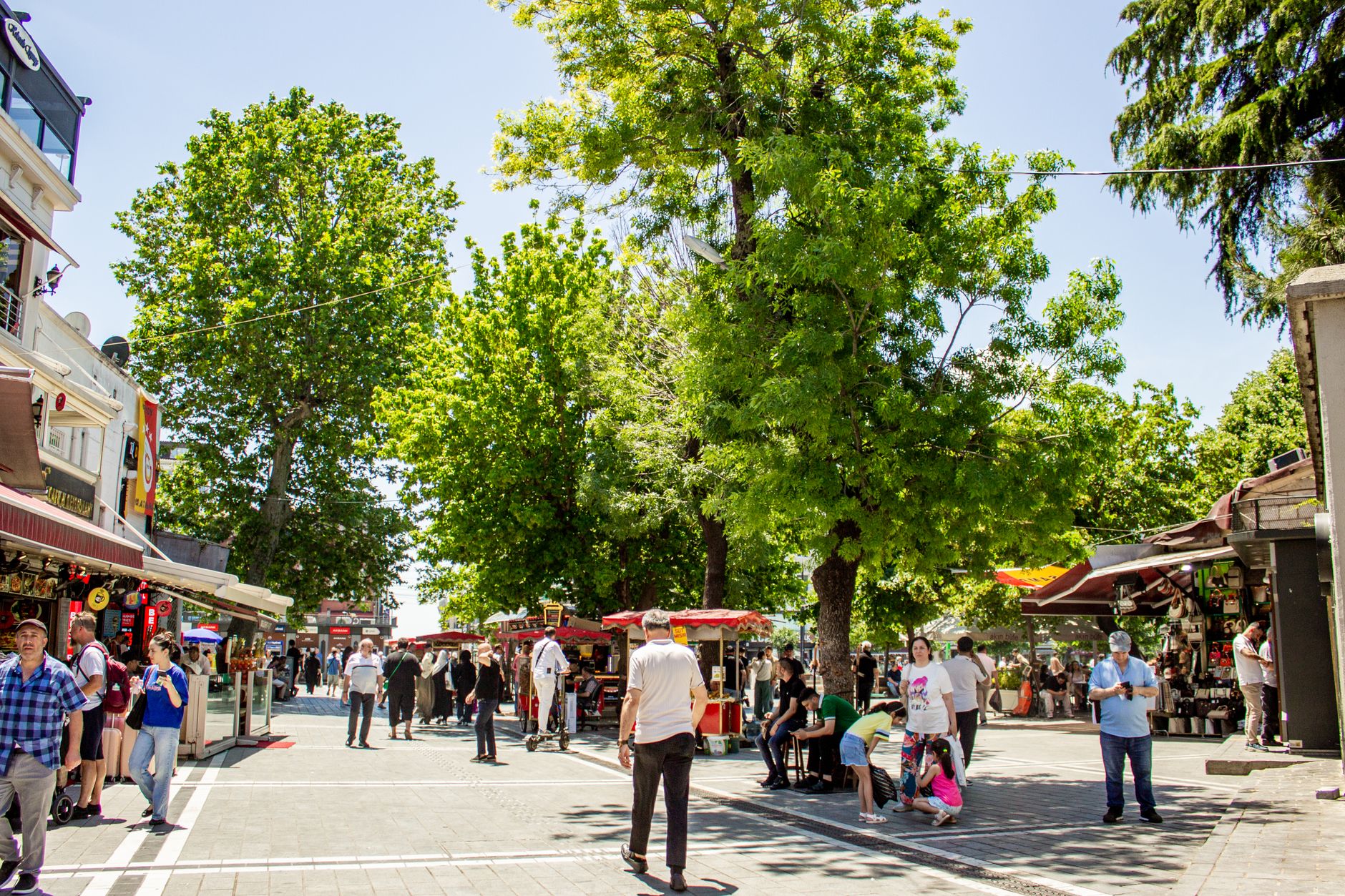
Turkey, straddling two continents and rich in history, culture, and stunning landscapes, is an enigma for many travelers. While the country’s unique offerings beckon millions each year, questions about safety often arise. This article explores the factors affecting travel safety in Turkey, providing practical advice for planning your visit with peace of mind.
From bustling cities like Istanbul to serene coastal towns, Turkey promises diverse experiences. However, staying informed about safety concerns—whether related to health, natural disasters, or socio-political issues—is crucial. Below, we’ll delve into the current safety situation, travel advisories, and tips for enjoying a trip to Turkey safely.
Is It Safe To Visit Turkey?
Yes, it is generally safe to visit Turkey; however, caution is advisable. The country attracts millions of tourists each year, and while most visits are trouble-free, it’s essential to be aware of potential risks and travel with care. Local precautions and staying informed about the region you’re visiting can significantly enhance security.
Current Travel Advisories and Safety Concerns
Travel advisories provide insights into safety and security conditions in various destinations. It’s advisable to check official government travel advisories, such as those from the U.S. Department of State or similar organizations from your home country. As of now, specific areas may carry warnings, particularly near the Syrian border and some eastern regions.
- Some regions near Syria, including Hatay and Kilis provinces, are under a “reconsider travel” advisory.
- Occasional protests may occur in major cities, and it’s best to avoid large crowds and demonstrations.
- Criminal activity, including petty theft, is possible in urban areas—taking standard safety precautions can help mitigate this risk.
Health and Safety Considerations
In terms of health safety, Turkey has made strides in addressing medical care. The country has a well-equipped healthcare system, and many major urban areas have hospitals that meet international standards. However, certain precautions remain beneficial.
Vaccinations and Health Precautions
Before traveling to Turkey, ensuring that routine vaccinations are up-to-date is wise. Additionally, consider the following:
- Hepatitis A and B vaccinations are recommended for most travelers.
- Typhoid vaccination can be beneficial, particularly if visiting smaller towns or rural areas.
- COVID-19 vaccinations and precautions should be verified according to local regulations and entry requirements.
Food and Water Safety
When it comes to food and drink, enjoying Turkey’s rich culinary traditions is a highlight. However, to avoid foodborne illnesses:
- Drink bottled or filtered water, especially in rural areas.
- Choose freshly prepared food from reputable establishments.
- Avoid street food unless it’s from a popular vendor with high turnover.
Transport and Traveling Around Turkey
Getting around Turkey can vary depending on your destination. Here are some practical tips on transportation options:
Air Travel
Major cities, including Istanbul, Ankara, and Izmir, have vibrant airports serving international and domestic routes. Turkish Airlines and other local carriers provide reliable services. Always check for updated travel regulations before flying.
Ground Transportation
When traveling within Turkey, several options are available:
- Buses: The bus network is extensive, with companies offering comfortable and budget-friendly travel across the country. Long-distance buses are generally safe and frequent.
- Trains: Turkey’s railway system consists of some scenic routes, particularly in scenic regions like Cappadocia.
- Private Cars and Taxis: Renting a car is an option but may require an international driving license. Taxis operate in most urban areas; ensure the meter is used or agree on a fare beforehand.
Popular Regions and Activities in Turkey
Turkey’s geographical diversity boasts many experiences, from historical landmarks to breathtaking natural scenery. Here are a few highlights to consider:
Istanbul
The bustling capital is rich in history and culture:
- Visit Hagia Sophia and the Blue Mosque for stunning architectural marvels.
- Explore the Grand Bazaar for shopping enthusiasts, but keep an eye on your belongings.
- Enjoy local cuisine in neighborhoods like Taksim and Galata.
Cappadocia
Known for its unique rock formations and cave dwellings:
- Hot air balloon rides offer breathtaking views of the landscape.
- Explore Göreme National Park, famous for its fairy chimneys and historical sites.
Turquoise Coast
The southwestern region showcases beautiful beaches and ancient ruins:
- Visit Antalya for its stunning beaches and vibrant nightlife.
- Explore the ancient city of Ephesus, a UNESCO World Heritage Site.
Accommodation Options
Turkey offers a wide range of accommodation options to suit various budgets and preferences. Here are some categories to consider:
- Luxury Hotels: Major cities offer upscale hotel chains and boutique hotels with top-tier amenities.
- Mid-range Hotels: Comfortable and affordable options are available in urban and coastal areas, often with breakfast included.
- Hostels and Guesthouses: Ideal for budget travelers, providing social environments and local insights.
Safety Tips While Traveling in Turkey
To ensure a safe trip, adhere to these practical safety recommendations:
- Stay updated on local news and avoid areas with reported unrest.
- Keep emergency contact information handy, including your country’s embassy.
- Use a money belt to secure valuables, especially in crowded places.
- Respect local customs and dress modestly when visiting religious sites.
When to Visit Turkey
Your travel experience may vary based on the time of year you choose to visit Turkey. Consider the following:
- Spring (March to May): Ideal weather for sightseeing, with blooming flowers and mild temperatures.
- Summer (June to August): Perfect for beachgoers, but inland areas can be very hot. Expect crowded tourist spots.
- Fall (September to November): Excellent for pleasant weather and fewer crowds, especially in popular tourist areas.
- Winter (December to February): Snow in certain regions, such as Cappadocia, can offer spectacular scenery, but cold temperatures may limit outdoor activities.
Budgeting for Your Trip
Visiting Turkey can be budget-friendly or luxurious, depending on your travel style. Here are some considerations:
Estimated Daily Budget
Costs will vary based on your choices:
- Budget travelers: $30-$50 per day can cover hostel accommodation, budget meals, and transport.
- Mid-range travelers: $60-$120 per day for hotel stays, dining in local restaurants, and some attractions.
- Luxe travelers: $150+ per day for upscale hotels, gourmet dining, and private tours.
Tips for Saving Money
- Use public transportation instead of taxis when possible.
- Eat at local eateries for authentic cuisine at a lower cost.
- Consider purchasing a museum pass for savings on entrance fees to multiple attractions.
Practical Packing Tips for Turkey
When packing for Turkey, consider its diverse climate and activities. Here’s a practical checklist:
- Comfortable clothing for warm weather, layered clothing for cooler evenings.
- Sturdy walking shoes for exploring ancient ruins and cities.
- Modest dress when visiting religious sites (e.g., scarf to cover shoulders).
- Travel-sized toiletries and medications.
- Adapters for electronic devices; Turkey uses the type C and F plug.
Conclusion
Turkey is a safe and welcoming country for travelers, offering a rich tapestry of experiences. While the safety landscape can vary, staying informed, practicing common sense safety measures, and respecting local customs will help ensure a pleasant visit. Remember to check official travel advisories before your trip for the most up-to-date information.
Start planning your adventure by exploring related destination guides and travel-planning articles like Is It Safe for Americans to Travel to Europe and Is Florence Safe?.