
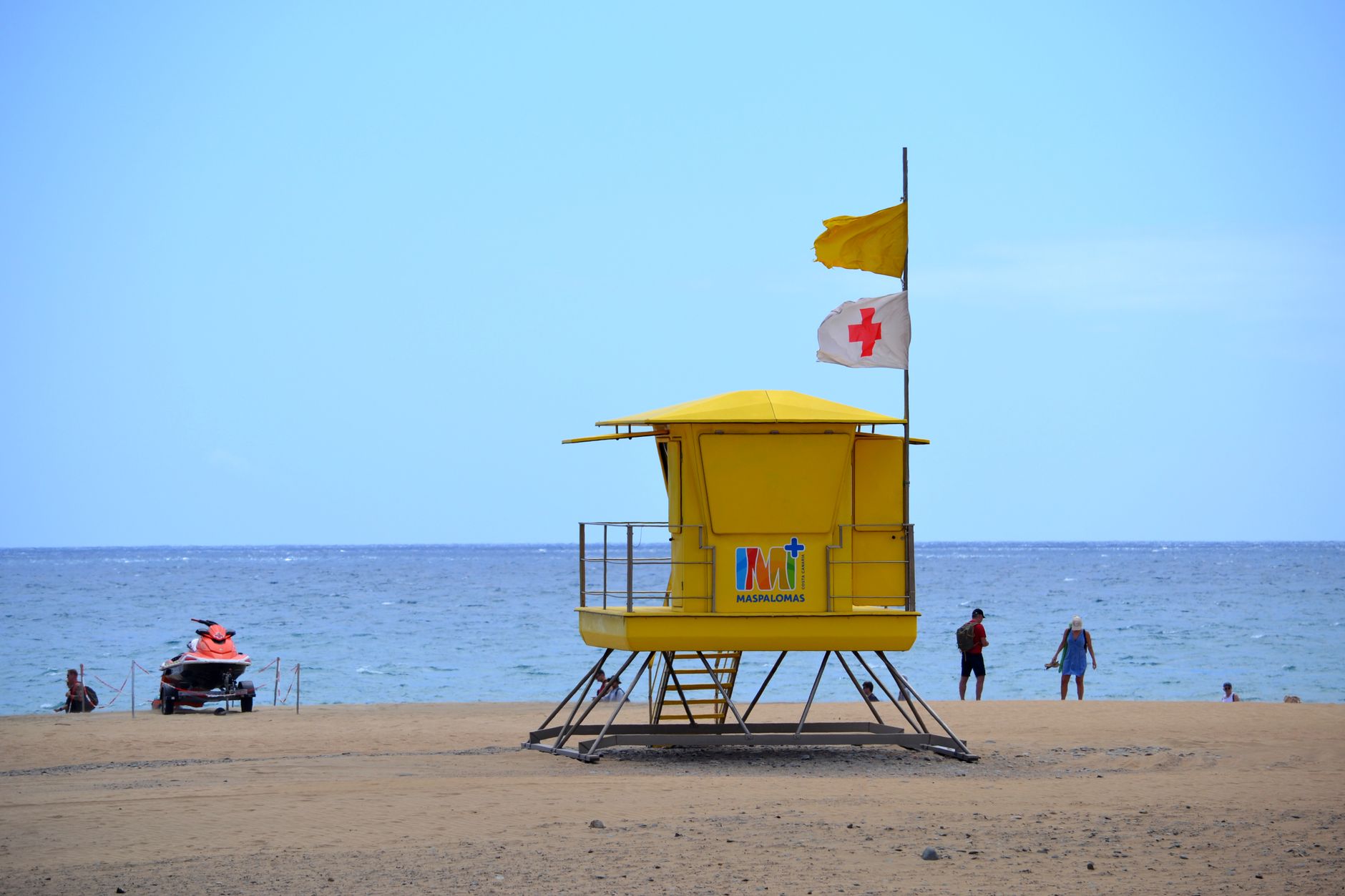
When visiting a beach, most people are eager to enjoy the sun, sand, and waves. However, it’s essential to stay informed about safety conditions, particularly through beach warning flags. A red flag on the beach signifies a crucial message that shouldn’t be overlooked.
This article delves into the meaning of a red flag on the beach, its implications for swimming and water activities, and the broader system of beach warning flags that ensure safety for all beachgoers.
What Does A Red Flag On The Beach Mean?
A red flag on the beach typically indicates dangerous surf conditions, such as strong currents, high tides, or hazardous marine life. In many regions, this flag serves as a warning that swimming may be prohibited or highly unsafe. Always heed the red flag’s significance to protect yourself and others.
Understanding the Beach Flag Warning System
Beach safety employs a flag warning system with various colors that convey different messages regarding swimming conditions. Understanding this system is crucial for ensuring safety while enjoying the beach.
Flag Colors and Their Meanings
- Green Flag: Safe swimming conditions. Swimming is encouraged.
- Yellow Flag: Moderate surf and currents. Caution is advised; swimming is allowed but may be risky.
- Red Flag: Dangerous conditions. Swimming is discouraged or prohibited.
- Double Red Flag: Water is closed to the public. Swimming is strictly forbidden.
- Purple Flag: Presence of dangerous marine life, such as jellyfish or shark sightings. Exercise caution in the water.
Why Are Red Flags Important?
Red flags play a pivotal role in maintaining safety along the coast. They help prevent tragic accidents by warning beachgoers of potentially life-threatening conditions. Strong currents, in particular, can lead to drownings, and being informed can make the difference between safety and disaster.
Local lifeguards often monitor conditions and raise flags accordingly. They are trained to assess the environment and make decisions that protect the public. Following their guidance is critical for a safe beach experience.
Common Causes for Red Flags
Several factors may lead to the raising of a red flag at a beach. Here are some common causes:
1. Strong Currents
Rip currents are powerful channels of water that flow away from the shore. They can pull swimmers far from the beach in a matter of seconds. A red flag warns of these dangerous currents.
2. High Waves
Large, powerful waves can overpower inexperienced swimmers, causing dangerous situations. On days when waves are significantly higher than usual, lifeguards may raise a red flag to indicate swimming is ill-advised.
3. Marine Life Hazards
Jellyfish and other potentially dangerous marine life can pose serious risks to beachgoers. The appearance of these creatures can prompt a purple flag, or, if the general water conditions are deemed unsafe, a red flag may be raised as a precaution.
4. Weather Conditions
Severe weather, including storms and high winds, can change beach conditions rapidly. A red flag may be used to signal that it’s unsafe to enter the water due to these changing weather patterns.
What Should You Do When You See A Red Flag?
If you encounter a red flag on the beach, it is vital to take the following steps:
- Stay Out of the Water: Abide by the warning and avoid swimming. Lifeguards prioritize safety and set flag warnings for a reason.
- Consult Lifeguards: If you’re unsure about the conditions or want to know more, ask lifeguards for specific information. They are trained to provide advice on safety.
- Observe Conditions: Observe the waves and currents from a safe distance. Sometimes conditions may appear deceiving, so it’s wise to remain vigilant.
- Engage in Beach Activities: While swimming may be off-limits, beach activities such as sunbathing, beach sports (like volleyball or frisbee), and playing in the sand are safe alternatives.
- Stay Informed: If planning to visit a specific beach area, check online for real-time updates regarding beach conditions and warnings.
The Importance of Lifeguard Education and Training
Lifeguards play an essential role in beach safety. Their training encompasses recognizing hazardous conditions, performing rescues, and administering first aid. Understanding their protocols is crucial for beachgoers.
Lifeguard Responsibilities
- Monitoring Water Conditions: Lifeguards continually observe water conditions to determine appropriate flag usage.
- Rescue Operations: They are trained for rescue situations and the use of rescue equipment, such as rescue tubes and boats.
- Emergency Responses: Lifeguards are trained in CPR and first aid, ready to act in case of emergencies.
Where Are Red Flags Frequently Used?
Across the world, different beaches utilize the flag system to convey safety information. However, practices may vary by region. Here are some notable examples:
1. United States
In the U.S., particularly in beach towns along the East and West Coasts, flags are commonly used as part of the safety system. Beaches are typically staffed with lifeguards who monitor conditions and provide updates on flag colors.
2. Australia
In Australia, the flag system is standardized across most beaches, with a similar color code. Lifeguards in Australia play a crucial role in water safety and education, ensuring both locals and tourists understand the flag system.
3. United Kingdom
Public beaches in the U.K. utilize a similar flag warning system, although it may vary by location. Awareness of the risks presented by strong currents and tides is emphasized by lifeguards on duty.
Common Misconceptions About Red Flags
Understanding red flags often involves dispelling misconceptions. Here are a few common ones:
1. “Red Flags Only Mean No Swimming”
While red flags primarily indicate unsafe swimming conditions, they may also signal other threats, such as dangerous marine life.
2. “Lifeguards Are Just Being Overly Cautious”
Lifeguards follow protocols based on training and conditions. Their decision to wave a red flag is rooted in ensuring public safety, not unnecessary caution.
3. “Flags Don’t Change Frequently”
Beach conditions can change rapidly, and flags will adjust as warranted. Always check flags each time you head to the beach.
Planning a Trip With Safety in Mind
Beach safety should be a significant consideration when planning your trip. Here are some tips to ensure a safe and enjoyable experience:
1. Research Beach Safety Priorities
Before you travel, research the specific beaches you plan to visit. Many websites provide real-time updates on conditions and warnings.
2. Visit Beaches With Lifeguards
Opt for beaches staffed with lifeguards, as they are better equipped to monitor conditions and assist if emergencies arise.
3. Educate Yourself on Water Safety
Understanding swimming techniques, rip currents, and personal limits can significantly enhance your safety while swimming in the ocean.
4. Pack Your Beach Gear
Ensure you have the necessary beach gear, including water shoes, sunscreen, and flotation devices for children. This equipment can provide added safety.
Family Safety at the Beach
Families, particularly those with children, must implement additional safety measures at the beach. Here are some suggestions:
1. Teach Kids About Flags
Educate children on the meaning of different beach flags. Familiarize them with the idea that a red flag means they should not enter the water.
2. Supervise Children Actively
Keep a close eye on children while they play in the sand or water. Designate a responsible adult to oversee their activities at all times.
3. Set Boundaries
Before heading to the beach, establish clear boundaries for where children can play, particularly when waves or currents are a concern.
Traveling in Unknown Waters
For travelers heading to new beaches, it’s essential to familiarize yourself with local customs and safety protocols. Here’s how to prepare:
1. Consult Local Authorities
Visit local tourism websites or contact tourist information centers for advice on water safety and beach conditions.
2. Attend Safety Briefings
Some resorts or beach areas hold safety briefings for guests. Taking the time to attend can provide vital insights into local conditions.
3. Always Ask Questions
If you’re uncertain about any safety protocols, don’t hesitate to ask a local lifeguard or staff member at your accommodation. It’s better to be informed than regretful.
Concluding Advice
Next time you find yourself at the beach, remember to check for flags and adhere to posted warnings. It could be the difference between an enjoyable swim and a dangerous situation.
For more travel insights, explore our guides on drinking on the beach in Florida and things to do in Orange Beach.