
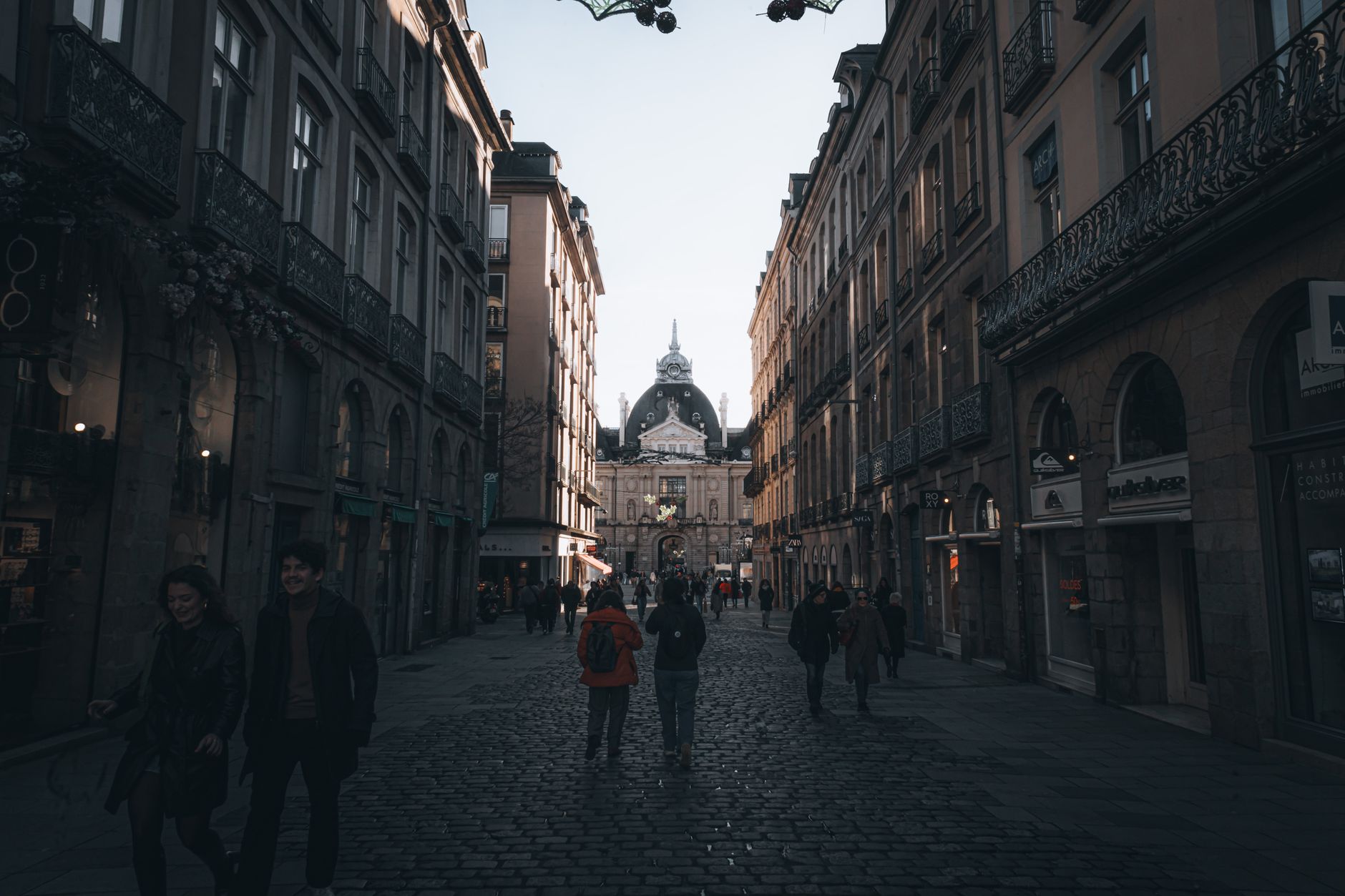
Budapest, the capital of Hungary, is a vibrant city known for its rich history, stunning architecture, and a lively cultural scene. The blend of Buda and Pest offers an array of experiences, making it a frequent choice for travelers in Europe. But how many days should you set aside to explore this beautiful destination?
In general, a trip to Budapest typically requires around three to five days to enjoy the key attractions and immerse yourself in the local culture. This timeframe allows visitors to explore the city’s main highlights while also permitting some relaxation and spontaneity.
How many days in Budapest?
A stay of three to five days is ideal to experience Budapest’s primary sights and cultural offerings. A three-day visit will cover essential attractions, while five days enable a more leisurely exploration, including day trips and deeper cultural immersion.
Planning Your Stay: Three Days vs. Five Days
Determining how many days to spend in Budapest depends on your travel style and interests. Here’s a breakdown of what you can accomplish in three versus five days.
Three-Day Itinerary
In three days, focus on the city’s highlights, including significant landmarks and cultural sites. Below is a suggested itinerary:
-
Day 1: Buda Castle and Thermal Baths
Start your day at Buda Castle, where you can explore the castle complex, enjoy panoramic views of the Danube, and visit the Hungarian National Gallery. Spend your afternoon soaking in the Széchenyi Thermal Bath, the largest medicinal bath in Europe. End your day with dinner in the nearby Jewish Quarter for a taste of authentic Hungarian cuisine.
-
Day 2: Pest Side Exploration
Morning: Head to Heroes’ Square, then walk through the City Park to see the Vajdahunyad Castle. Afternoon: Visit the renowned Museum of Fine Arts and St. Stephen’s Basilica. Evening: Take a Danube river cruise to admire Budapest’s illuminated skyline.
-
Day 3: Culture and Historical Insight
Dedicate this day to the varied cultural offerings of Budapest. Visit the Opera House and tour its stunning interior. Later, explore the Central Market Hall, where you can sample local produce. Finally, enjoy an evening performance at the Hungarian State Opera or indulge in the ruin bars for a unique nightlife experience.
Five-Day Itinerary
A five-day itinerary allows for a fuller experience, accommodating additional sights and day trips. Here’s an expanded version of the three-day plan:
-
Day 1: Buda Castle and Thermal Baths
(Same as three-day itinerary)
-
Day 2: Pest Side Exploration and History
After St. Stephen’s Basilica, stroll down the infamous Andrássy Avenue to observe the Art Nouveau architecture. Spend your late afternoon at the House of Terror Museum for a sobering insight into Hungary’s past.
-
Day 3: Jewish Heritage Tour
Explore the Jewish Quarter of Budapest, visiting the Dohany Street Synagogue, the largest synagogue in Europe, and the poignant Holocaust Memorial. Enjoy authentic Jewish cuisine for lunch and relaxing at one of the cafes in the neighborhood.
-
Day 4: Day Trip to Szentendre
Take a day trip to Szentendre, a picturesque town located just 30 minutes from Budapest. Walk through its charming cobblestone streets adorned with various galleries, boutiques, and eateries. Visit the Marzipan Museum for a unique experience and return to Budapest for dinner.
-
Day 5: Relaxation and Exploration
This day can be more relaxed. Head to one of Budapest’s famous thermal baths like Gellért Spa or Rudas Baths. Later, explore Margaret Island for some greenery, picnicking, or biking. In the evening, enjoy your final dinner with a view at a Danube-side restaurant.
When to Visit Budapest
Timing your visit can enhance your Budapest experience. Below are some considerations for different seasons:
Spring (March to May)
Spring is a lovely time to visit, featuring mild weather, blooming flowers, and fewer crowds. Popular festivals, such as the Budapest Spring Festival, draw many visitors.
Summer (June to August)
Summer boasts positive temperatures, making it perfect for outdoor activities. However, this is also peak tourist season, so expect larger crowds and higher prices.
Autumn (September to November)
Autumn rivals spring for its charm as the leaves change colors. The weather is still pleasant, and the Budapest Wine Festival in September is an exciting event for wine enthusiasts.
Winter (December to February)
Winter transforms Budapest into a fairy tale with holiday markets and festive lights. Although temperatures drop, many attractions remain open. This is a great time to enjoy the thermal baths amidst chilly weather.
How to Get There
Getting to Budapest is convenient, with several transportation options depending on your origin:
By Air
Budapest Ferenc Liszt International Airport is the main gateway for international travelers. Multiple airlines connect Budapest with various cities worldwide. From the airport, public transportation, shuttle buses, or taxis can take you to your accommodation.
By Train
Budapest is well-connected by train, ideal for travelers coming from neighboring European cities. The Keleti, Nyugati, and Déli train stations serve international routes.
By Bus
Long-distance buses also offer budget-friendly travel options, with several companies connecting Budapest to other European destinations.
Getting Around Budapest
Budapest has a well-developed public transport system that makes navigating the city efficient and affordable:
Metro
The metro system includes four lines that cover various parts of the city, including the key tourist areas.
Trams and Buses
Trams and buses complement the metro, providing easy access to neighborhoods and attractions. A single ticket is valid for all modes within a particular timeframe.
Walking and Biking
Many of the city’s attractions are within walking distance, especially in the historic districts. You can also rent a bike through various services, including BKK’s bike-sharing program.
Taxis and Rideshares
While taxis are available, be cautious of potential scams. Rideshares like Bolt and Uber operate in Budapest, providing a reliable alternative.
Where to Stay in Budapest
Choosing the right accommodation can enhance your experience in Budapest. Consider the following popular areas:
District V (Belváros-Lipótváros)
Located near the Danube and major attractions, this area offers a range of accommodations, from luxury hotels to budget-friendly hostels.
District VII (Jewish Quarter)
This district is known for vibrant nightlife and has plenty of charming boutique hotels, bars, and restaurants.
District I (Castle District)
A picturesque area with stunning views, this location provides a historical atmosphere and proximity to Buda Castle.
District IX (Ferencváros)
This up-and-coming district features modern hotels and gastronomic experiences, along with easy access to central transport options.
Budgeting for Your Trip
Understanding costs can help you plan your Budapest getaway effectively:
Accommodation Costs
Budapest offers a range of accommodations to suit every budget, from luxurious hotels to hostels. Prices can vary, so exploring various booking platforms can help secure the best rates.
Food and Drink
Dining out can be quite affordable in Budapest. A meal at a local eatery might cost around €10-15, while more upscale dining will be higher. Don’t skip trying traditional dishes like goulash or chimney cake.
Transportation Expenses
Public transit is economical, with tickets around €1.30 each. A travel card covering multiple days can further save costs.
Attraction Entry Fees
Many attractions have entry fees that typically range from €6-15. Consider checking for discounts or combined tickets to save money during your visit.
Top Attractions in Budapest
During your stay, consider visiting some iconic attractions beyond the must-sees already mentioned:
The Hungarian Parliament Building
This stunning neo-Gothic structure is an architectural marvel and one of the largest parliament buildings in the world. Guided tours are available but may require advance booking.
Buda Hill and Fisherman’s Bastion
Offering one of the best views of the Danube and Pest, Fisherman’s Bastion is a postcard-perfect location. Photography enthusiasts should not miss this site.
Gellért Hill and Citadel
This hill provides panoramic views of the city and is home to the historic Citadel. It’s a moderately steep hike that rewards you with an amazing vista.
Food and Drink Recommendations
Budapest is a food lover’s paradise, featuring diverse culinary traditions:
Traditional Hungarian Cuisine
Try local specialties, including:
- Goulash: A hearty stew made with meat, vegetables, and spices.
- Langos: Fried dough topped with sour cream and cheese.
- Paprikás Csirke: Chicken paprikash, often served with dumplings.
Popular Cafés and Restaurants
Don’t miss visiting:
- Café Gerbeaud: Famous for its cakes and pastries.
- New York Café: A luxurious café with stunning interiors.
- Szimpla Kert: A famous ruin bar, ideal for experiencing Budapest’s nightlife.
Safety and Accessibility Considerations
Budapest is generally safe for tourists, but it’s advisable to take standard precautions:
Safety Tips
Avoid poorly lit areas at night, be cautious of pickpockets, and keep valuables secure. Always keep an eye on your belongings when using public transport.
Family and Solo Travel
Budapest is family-friendly, with numerous parks and attractions catering to children. Solo travelers will find it relatively safe, but always exercise caution, especially when exploring nightlife.
Accessibility
Many areas in Budapest are accessible, yet older buildings may pose challenges. Public transport systems have provisions for individuals with mobility issues, but it’s good to check for specific routes in advance.
To summarize, Budapest is a captivating destination that can be enjoyed in a few days. By considering your interests, timing, and budget, you can create an itinerary that best suits your travel style. Whether you have three days or five, this city is sure to leave a lasting impression.
For more travel planning, check out our guides on how many days in Stockholm and things to do in Warsaw, Poland.